Del perduto amore
1998
No user ratings available yet
Representation score: 4.6 out of 10
Representation Score
Good
2019
Director
Mimmo Calopresti
Runtime
87 minutes
Average Rating
No ratings yetNew Showbiz Analysis
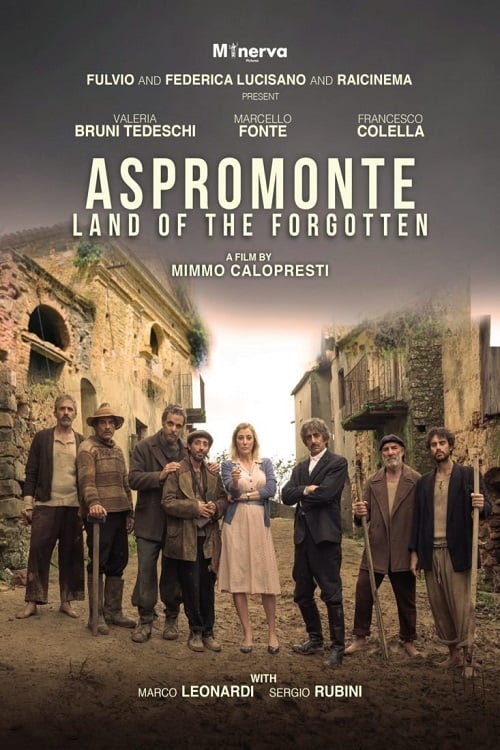
Aspromonte: Land of the Forgotten is a social drama centered on a underrepresented community's fight against institutional neglect. The film excels at portraying collective ability to act and the subversion of traditional power structures through its protagonist and the village's rebellion. However, the narrative lacks engagement with modern identity politics. It does not feature explicit LGBTQ+ representation or nuanced portrayals of disability, focusing instead on regionalism and gendered intellectual ability to act. Ultimately, the film provides a strong critique of systemic corruption and state inefficiency, favoring a model of localized empowerment over centralized authority.
Category Breakdown
The film focuses on communal struggles and traditional familial units. There are no central LGBTQ+ identities or non-straight character arcs.
Giulia, the schoolteacher, serves as a catalyst for social change. Her intellectual role challenges the patriarchal control exerted by local figures like Don Totó.
The story explores internal regionalism and the tension between Northern Italian standards and the isolated culture of Africo.
The narrative critiques systemic neglect and the failure of centralized institutions. It portrays the community's grassroots autonomy as a rejection of oppressive, distant government forces.
The film uses a medical tragedy as a plot catalyst rather than exploring disability. No characters with specific disabilities are given central roles or nuanced representation.
Present on Screen
Limited or Absent
Official Synopsis
At the end of the 1950s in Africo, a small village in the southern valley of Aspromonte, a woman dies in childbirth because a doctor fails to arrive on time. No road connects Africo with the other villages. In the wake of this tragedy, all of Africo’s citizens -including children - abandon their usual occupations and unite to build their own road. Giulia, the new schoolteacher, comes from the North with a mission to teach standard Italian to help bring cultural cohesion with Africo and the rest of Italy. But she will have to contend with the local mafioso Don Totó, who is determined to ensure this the town remains cut off, and thus, under his power.
1998

1949
2020
1977
1979

2020
2018
1962
No reviews yet. Be the first to share your thoughts on this movie!
Use the rating form above to leave a star rating and optional review.