Veronika Voss
1982
No user ratings available yet
Representation score: 6.6 out of 10
Representation Score
Good
1979
RDirector
Bernardo Bertolucci
Runtime
142 minutes
Average Rating
No ratings yetNew Showbiz Analysis
Bertolucci’s drama is a deep psychological exploration of familial boundaries that thrives on subverting traditional social structures. It excels in challenging conventional gender roles and deconstructing the sanctity of the Western nuclear family. However, the film remains limited by its narrow demographic focus. It centers on a white, European setting and lacks meaningful representation of LGBTQ+ identities or multi-layered casting. Ultimately, while the film is progressive in its psychoanalytic challenge to social morality, its lack of racial and LGBTQ+ breadth keeps the overall diversity profile moderate.
Category Breakdown
The film doesn't depict LGBTQ+ identities or same-sex intimacy. It explores intense emotional connections that go beyond typical heterosexual relationships but doesn't directly address the systemic issues of the assumption that everyone is straight or cisgender.
The movie challenges traditional gender roles by showing the mother as a strong, sexually empowered figure. Her character defies passive, nurturing stereotypes and confronts societal taboos.
Set in Italy, the film focuses on a predominantly white, Western cast. It lacks racial or ethnic diversity, concentrating on a specific European cultural context.
The film excels at breaking down the sanctity of the nuclear family and questioning established social and religious norms. It prioritizes individual psychological truths over traditional morality.
Themes of addiction and psychological instability are explored through heroin use. However, these elements mainly serve the central Oedipal conflict rather than offering nuanced views of disability.
Present on Screen
Limited or Absent
Official Synopsis
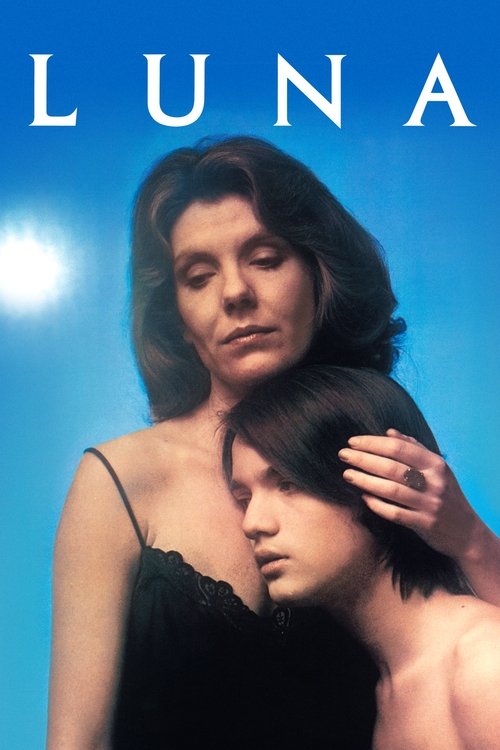
While touring in Italy, a recently-widowed American opera singer has an incestuous relationship with her 15-year-old son to help him overcome his heroin addiction.
1982

1962
1972
1981

1989
1999
1982

1978
No reviews yet. Be the first to share your thoughts on this movie!
Use the rating form above to leave a star rating and optional review.