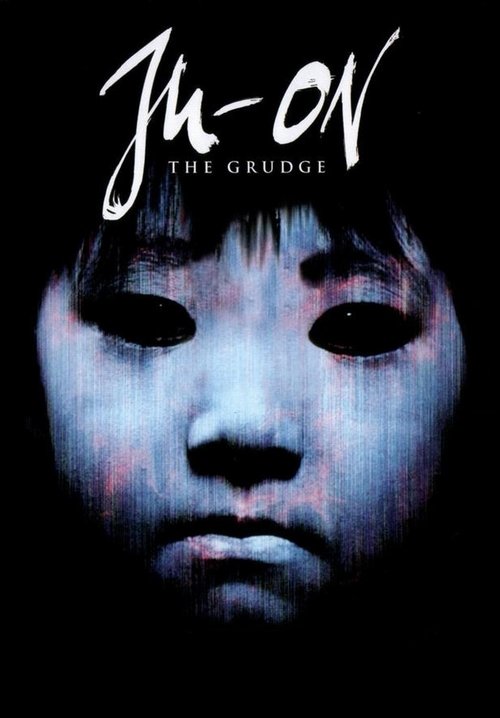
Ju-on: The Grudge
2002
No user ratings available yet
Diversity score: 5.5 out of 10
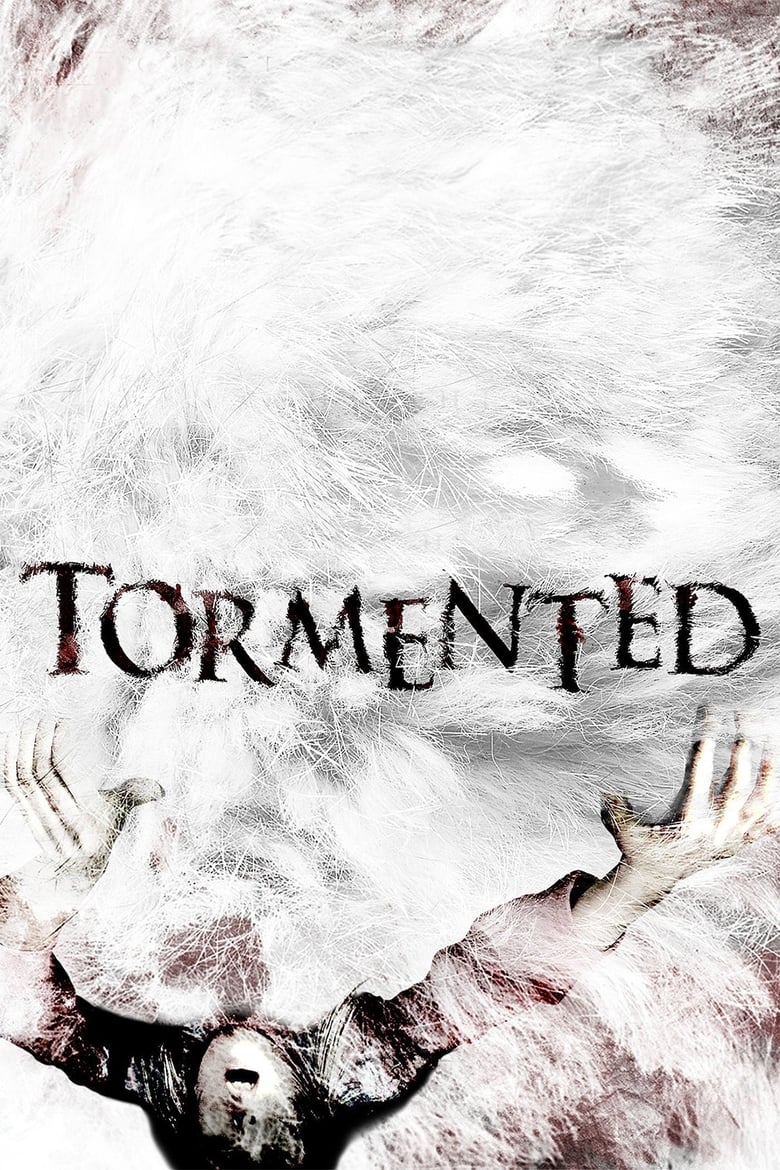
2011
Director
Takashi Shimizu
Runtime
83 minutes
Average Rating
No ratings yetSynopsis
To his mute sister's dismay, a young boy puts a dying rabbit out of its misery with a brick -- and soon the siblings end up in a world of nightmares.
Overall Score
Limited
Category Breakdown
LGBTQ+ Representation
The film lacks any LGBTQ+ characters or non-cisnormative identities. The narrative remains strictly within a localized psychological horror framework.
Gender Representation
A female-centric structure places the protagonist at the heart of the trauma. However, limited interpersonal dialogue makes it difficult to assess the subversion of gender hierarchies.
Racial & Ethnic Diversity
The cast and setting are culturally homogeneous and Japanese. It functions as a culturally specific piece rather than a multicultural or intersectional narrative.
Religious & Cultural Diversity
The film utilizes non-linear storytelling to challenge perceptions of reality. It avoids traditional Western moral clarity in favor of a destabilized, subjective experience.
Disability Representation
A mute sibling is introduced, providing a character with a communication disability. It is unclear if this character has agency or serves merely as a plot device.
Strengths
Areas for Improvement
AI Analysis
Rabbit Horror is a genre-driven exercise in psychological tension that prioritizes atmosphere over social commentary. The film operates within traditional demographic boundaries, focusing on individual dissolution rather than intersectional dynamics. While the film centers on a female protagonist, it lacks the breadth of character interaction needed to explore deeper gendered social structures. The narrative is culturally specific to Japan, which provides a clear setting but limits ethnic diversity. Ultimately, the film's focus on stylistic horror and psychological fragmentation means that identity-based representation remains secondary to the central supernatural conflict.
2002

2004
2001
2020
2005
2006
2021
2000
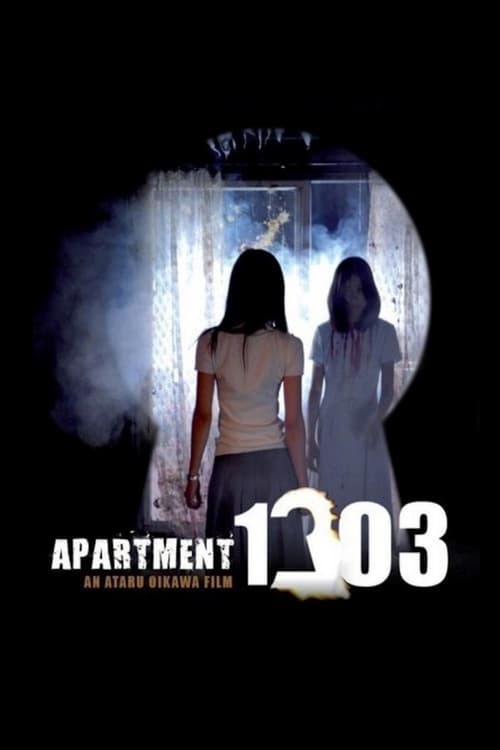
2007
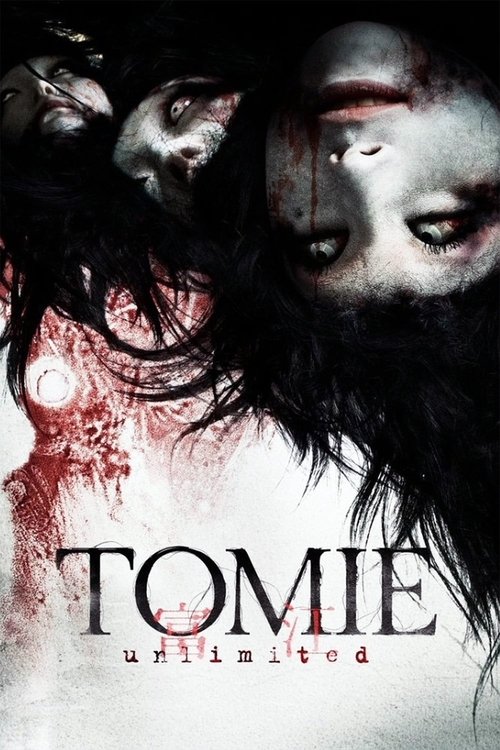
2011
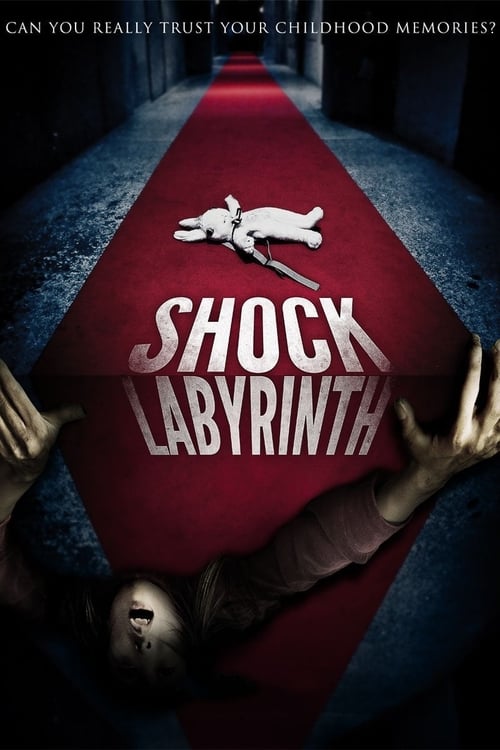
2009
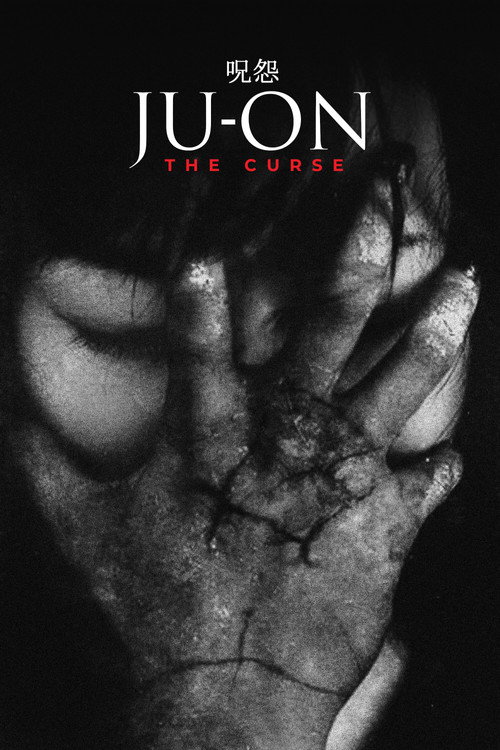
2000
No reviews yet. Be the first to share your thoughts on this movie!
Use the rating form above to leave a star rating and optional review.