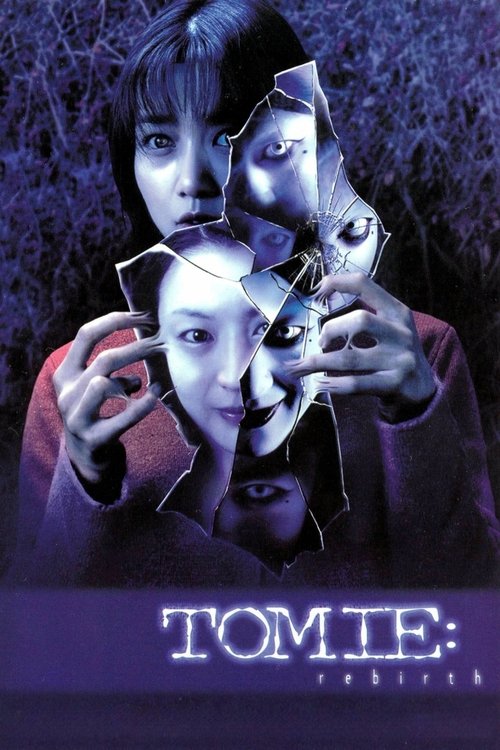
Tomie: Rebirth
2001
No user ratings available yet
Representation score: 3.5 out of 10
Representation Score
Fair
2005
Director
Ataru Oikawa
Runtime
72 minutes
Average Rating
No ratings yetNew Showbiz Analysis
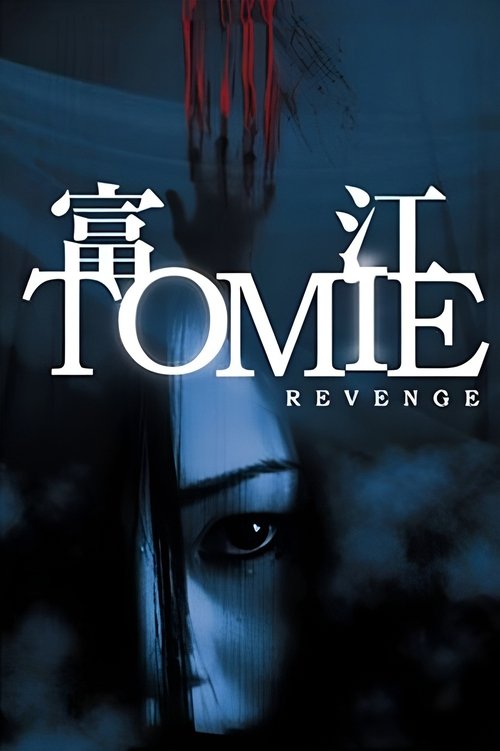
Tomie: Revenge is a genre-driven exploration of transgression that prioritizes psychological and physical disruption over conventional morality. It succeeds in challenging traditional gender roles by centering female characters as powerful, chaotic entities rather than passive subjects. However, the film lacks breadth in racial and explicit LGBTQ+ representation. The setting and cast remain culturally homogeneous, focusing on a localized Japanese context that does not seek multicultural engagement. Ultimately, the film's strength lies in its thematic interest in the instability of social structures, even if it lacks diverse demographic variety.
Category Breakdown
The film doesn't explicitly include queer identities or romantic pairings. However, the character Tomie disrupts traditional heterosexual stability through her supernatural influence on desire.
The narrative centers on women's ability to drive the story through a predatory lens. By positioning women as sources of existential dread and power, the film challenges traditional gender hierarchies.
As a Japanese production, the cast and setting are predominantly homogeneous. The story adheres to its cultural specificity without incorporating multicultural blending or race-bending.
The film explores moral relativism by using lawless, abandoned settings. It disrupts traditional ideals of social order by focusing on characters operating outside legal and social constraints.
There is no evidence of characters with physical or neurodivergent disabilities within the narrative.
Present on Screen
Limited or Absent
Official Synopsis
A young woman named Kazue runs over a naked girl on a mountain road. When she stops to help, the girl runs off into an old abandoned house in the middle of the woods.
2001
2000
2005
2003
2000
2011

2015

2002
No reviews yet. Be the first to share your thoughts on this movie!
Use the rating form above to leave a star rating and optional review.