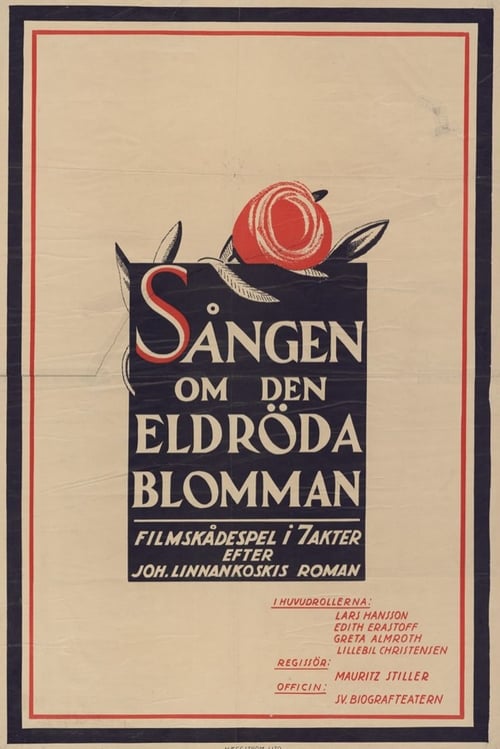
Song of the Scarlet Flower
1919
No user ratings available yet
Representation score: 2.8 out of 10
Representation Score
Minimal
1926
Director
Carl Theodor Dreyer
Runtime
75 minutes
Average Rating
No ratings yetNew Showbiz Analysis
The film functions as a character-driven drama centered on the tension between personal desires and socioeconomic expectations. It uses a classic romantic struggle to critique the rigidity of traditional social stratification. While the film lacks diversity in terms of race and gender identity, it finds strength in its portrayal of individual ability to act. The narrative structure favors personal sentiment over the preservation of established economic and familial institutions. Ultimately, the work is a study of class conflict and the disruption of social hierarchies through the lens of a protagonist's emotional truth.
Category Breakdown
The film does not include any LGBTQ+ characters or non-straight relationships. The story focuses solely on a heterosexual romance.
Berit, the main female character, plays a significant role in driving the story by refusing a marriage of convenience. Her actions challenge traditional expectations of female passivity.
The film appears to focus on a homogeneous social structure with no evidence of racial or ethnic diversity.
The plot critiques class-based social structures through the conflict between a poor farmer and a wealthy family. It emphasizes individual emotional autonomy over rigid socioeconomic obligations.
There is no mention of characters with visible or invisible disabilities in the narrative.
Present on Screen
Limited or Absent
Official Synopsis
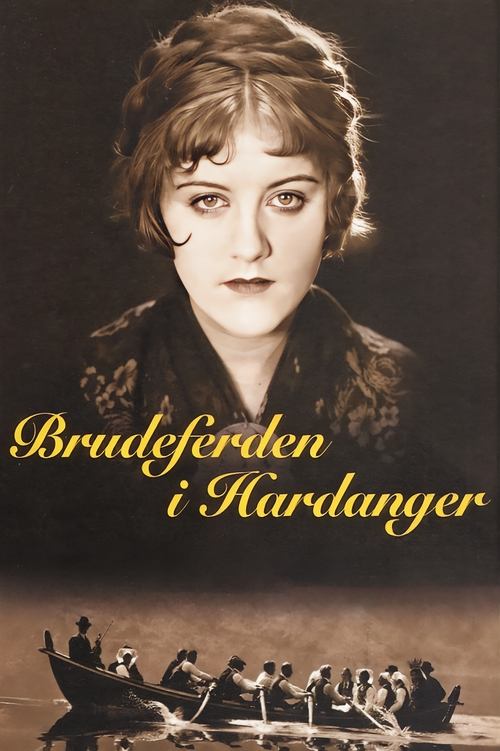
Tore, son of a poor farmer, loves Berit, daughter of a rich one, but she's promised to another man whom she does not love and thus refuses to marry.
1919

1930

1919
1932

1927
1924
1926
1925
No reviews yet. Be the first to share your thoughts on this movie!
Use the rating form above to leave a star rating and optional review.