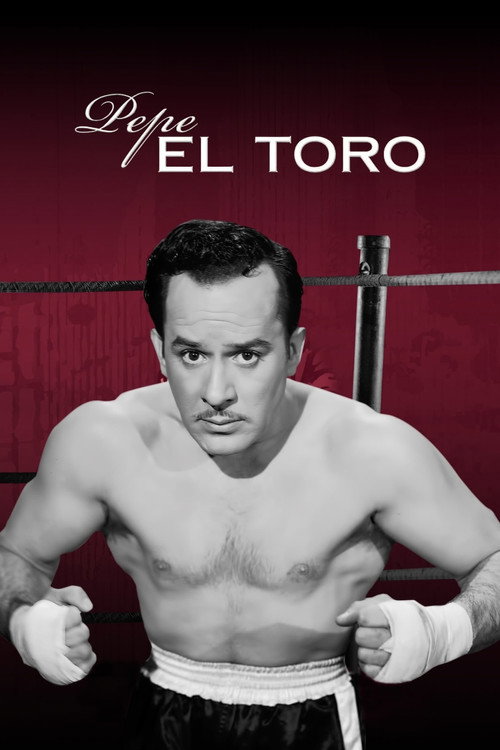
Pepe El Toro
1953
No user ratings available yet
Representation score: 1.8 out of 10
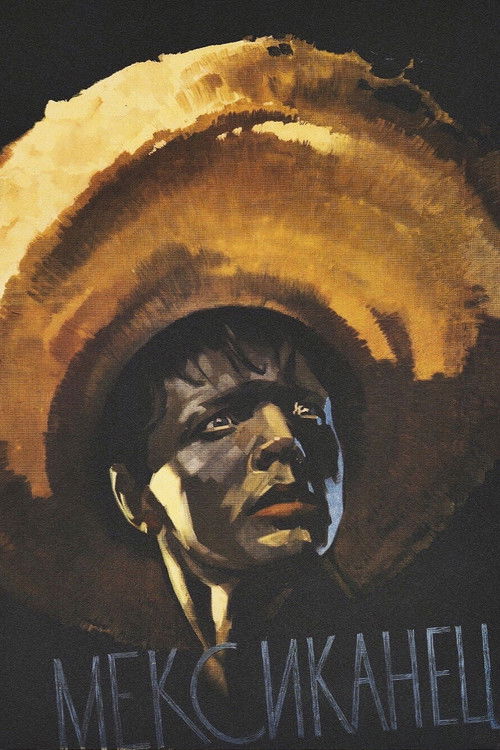
Representation Score
Fair
1956
Director
Vladimir Kaplunovskiy
Runtime
81 minutes
Average Rating
No ratings yetNew Showbiz Analysis
The film features a Mexican protagonist who embodies resistance against an oppressive regime. By centering the ability to act of Mexican revolutionaries, it challenges conventional historical perspectives of the 1950s. However, the film adheres to mid-century dramatic conventions. Gender dynamics remain traditional, with female characters serving primarily as catalysts for the male protagonist's journey rather than as independent agents. Ultimately, the film's strength lies in its racial and cultural positioning. It uses the protagonist's personal struggle to critique systemic oppression and the corruption of established political institutions.
Category Breakdown
The film does not include explicit LGBTQ+ characters or non-straight relationships. The story focuses on revolutionary struggles and physical combat, adhering to a traditional character framework.
Men play the primary roles, particularly through Felipe Rivera's boxing and revolutionary efforts. Women are portrayed mainly as victims of the dictatorship, following traditional dramatic clichés.
The film centers a Mexican protagonist and their struggle for sovereignty, disrupting Eurocentric norms by placing narrative ability to act within a underrepresented group.
The story critiques Western-aligned power structures, framing the Diaz dictatorship as an oppressive force. It prioritizes the dismantling of corrupt institutional hierarchies.
There is no evidence of characters portraying physical or neurodivergent disabilities within the narrative.
Present on Screen
Limited or Absent
Official Synopsis
1910 year. Mexican patriots are preparing an uprising against the dictatorship of Diaz. Young Felipe Rivera joins the revolutionary junta, whose father and mother were shot by dictators. The hour of rebellion is near, but the heroes lack weapons. To get the necessary amount of money, Rivera decides to perform in the ring against Ward, America’s strongest boxer...
1953
1925

1975
1952
1973
1971
1940
1995
No reviews yet. Be the first to share your thoughts on this movie!
Use the rating form above to leave a star rating and optional review.