Rebellion of the Hanged
1954
No user ratings available yet
Representation score: 4.4 out of 10
Representation Score
Fair
1975
Director
René Cardona Jr.
Runtime
110 minutes
Average Rating
No ratings yetNew Showbiz Analysis
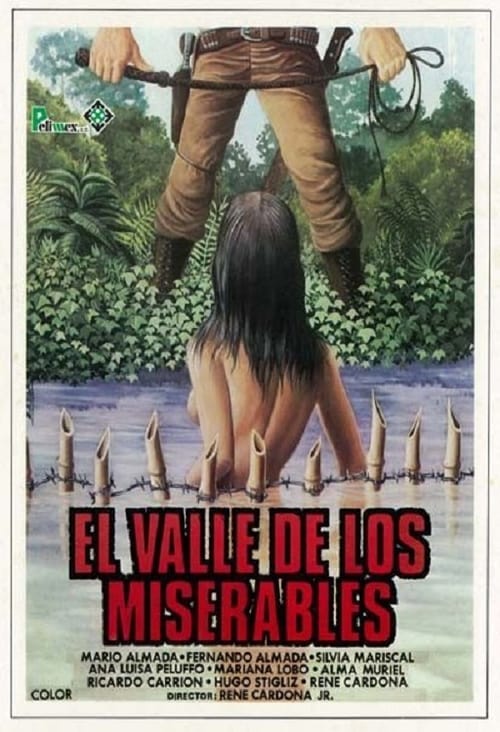
El valle de los miserables is a period drama that emphasizes class-based struggles over modern identity politics. It serves as a critique of the Porfirio Díaz regime and the exploitation inherent in early 20th-century land ownership. The film excels in its socio-political commentary, using the plantation system to challenge the stability of traditional Mexican institutions. However, it falls short in contemporary representation, particularly regarding gender roles and LGBTQ+ visibility. While the narrative offers a strong voice for the disenfranchised working class, it maintains a traditional patriarchal perspective where women are often portrayed as victims of violence rather than active participants in the revolution.
Category Breakdown
The film does not include any LGBTQ+ characters or non-straight relationships. The main romantic storyline follows a traditional heterosexual relationship involving the antagonist's daughter.
Women are shown as targets of systemic abuse, such as rape and exploitation, rather than as agents of change. The film relies on traditional portrayals of female vulnerability within a patriarchal society.
The story focuses on the working class and political prisoners, reflecting the demographics of the time. It highlights the revolutionary struggle of the oppressed classes.
The film criticizes Western-style capitalism and centralized state authority through its portrayal of a corrupt plantation system. It prioritizes dismantling established social orders over traditional stability.
There is no indication of the depiction of physical or neurodivergent disabilities in this work.
Present on Screen
Limited or Absent
Official Synopsis
In 1909, former judge Cristóbal Zamarripa owns Valle Nacional, a tobacco plantation where he exploits workers with the support of the tyrant Porfirio Díaz, who sends him political prisoners as slaves. The others are lured with the promise of high wages, but end up owing everything to the company store. All are tortured, raped, or killed when they protest. Another landowner whose brother was killed by Zamarripa and who falls in love with one of his daughters is going to be punished, but he flees and becomes a revolutionary.
1954

1964
1973
1952
1952
1993

1973
1969
No reviews yet. Be the first to share your thoughts on this movie!
Use the rating form above to leave a star rating and optional review.