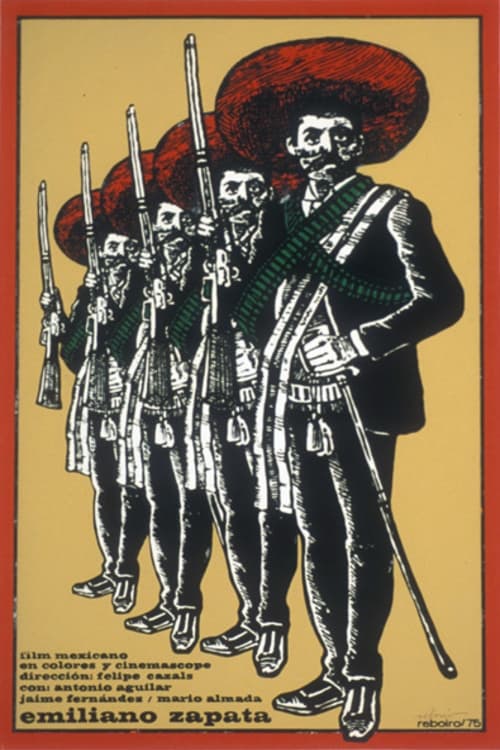
Emiliano Zapata
1970
No user ratings available yet
Representation score: 3.3 out of 10

Representation Score
Fair
1973
Director
Gonzalo Martínez Ortega
Runtime
135 minutes
Average Rating
No ratings yetNew Showbiz Analysis
Gonzalo Martínez Ortega’s film serves as a historical examination of power, focusing on the systemic failures of Mexico. The narrative effectively challenges the traditional hero's journey by emphasizing institutional corruption and state violence. The film excels in its cultural and racial focus, using the Mexican Revolution to critique authoritarianism. It provides a meaningful perspective on the internal struggles of a Mexican community fighting against local oppression. While the film offers strong political and ethnic ability to act, it lacks explicit representation of LGBTQ+ identities or disabilities. Women are depicted both as politically active and subject to traditional objectification.
Category Breakdown
The film explores non-traditional social spaces, such as a local brothel. There is no clear indication of characters with specific LGBTQ+ identities.
Women play a significant role in political resistance. However, the brothel setting suggests they may still face traditional gender hierarchies and objectification.
The story focuses on a mestizo and indigenous social fabric during the Mexican Revolution. It avoids a white-centric lens by highlighting local struggles against dictatorship.
The narrative critiques corrupt state institutions and colonial-style hierarchies. It emphasizes the struggle against dictatorship and capitalist structures.
There is no clear evidence of physical or neurodivergent disabilities being portrayed in the film.
Present on Screen
Limited or Absent
Official Synopsis
Mexico is in the midst of Revolution when the protagonist returns after studying in Paris to find his native town in Chihuahua occupied by Francisco Villa’s revolutionary forces. He visits his deserted home and remembers people and events from his adolescence that provide glimpses of pre-Revolutionary society under dictatorship: his uncle, the chief of police; his sister’s involvement with a liberal political association; bathing with the girls from a local brothel; a labor strike that ended in a massacre. Returning to the present he discovers that his father has been assassinated and, in the company of his father’s former servant, joins the revolutionary movement.
1970
1952
1987
1969
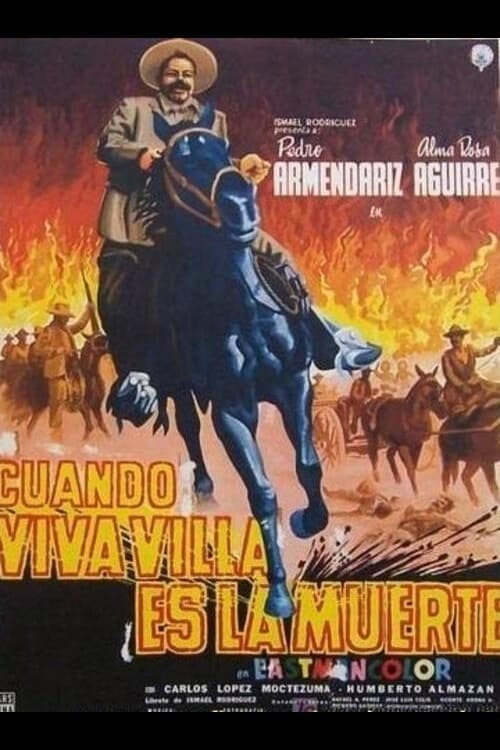
1958
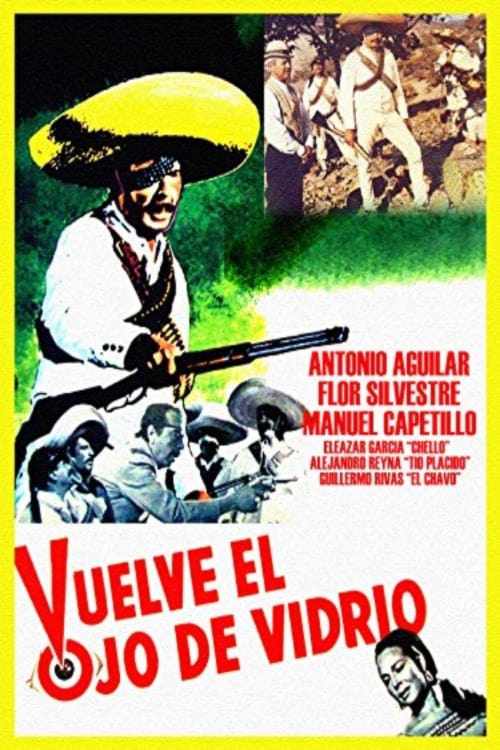
1970
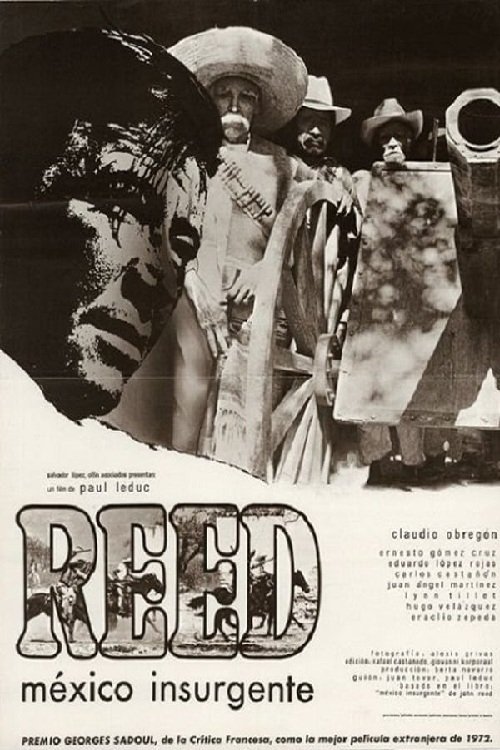
1972
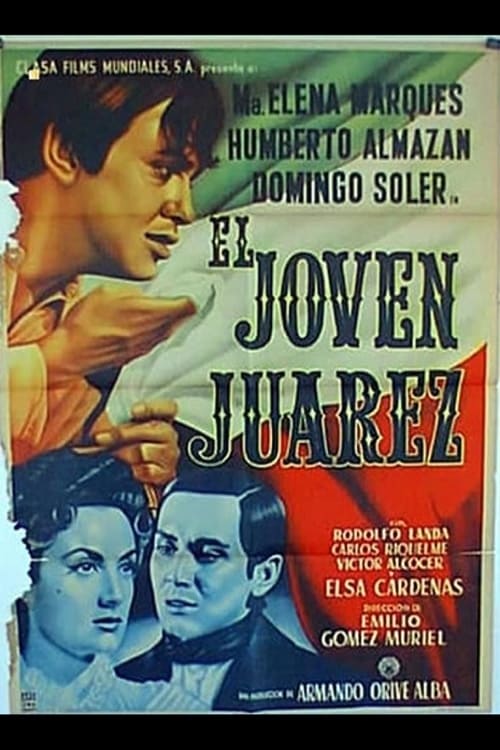
1954
No reviews yet. Be the first to share your thoughts on this movie!
Use the rating form above to leave a star rating and optional review.