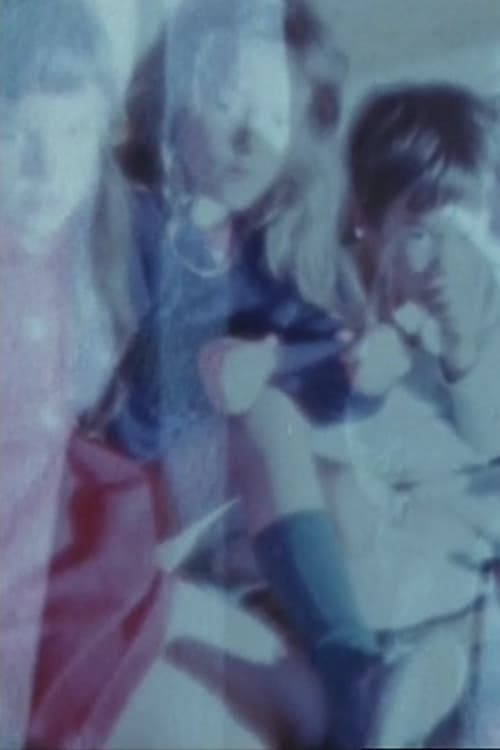
Scenes from Under Childhood, Section Four
1970
No user ratings available yet
Representation score: 3.7 out of 10
Representation Score
Limited
1968
Director
Stan Brakhage
Runtime
24 minutes
Average Rating
No ratings yetNew Showbiz Analysis
Stan Brakhage’s experimental short is a formalist exploration of sensory experience rather than a social commentary. It prioritizes the subjective, sensory experience of infancy over traditional narrative structures. Though the film lacks demographic breadth and diverse character depth, its radical departure from mainstream cinematic grammar serves as a critique of how reality is typically represented. It challenges sanitized, sentimentalized myths of childhood through raw, non-linear imagery. Ultimately, the work's value lies in its disruption of conventional storytelling hierarchies, even if it does not address specific social identities or diverse human experiences.
Category Breakdown
The film does not include any dialogue or social interactions related to LGBTQ+ identities, focusing instead on the sensory experience of the subject.
The work avoids traditional character development, so it does not explore gendered power structures or socialized gender roles.
The visual content focuses solely on a white child in close-up shots, lacking any racial diversity or ethnic complexity.
Brakhage challenges idealized Western myths of childhood by presenting both violent terror and joy, but the film centers on personal experience rather than broader cultural critiques.
The film examines pre-linguistic vision and fragmented sight, suggesting neurodivergent modes of perception, but it does not use disability as a plot device.
Present on Screen
Limited or Absent
Official Synopsis
A visualization of the inner world of foetal beginnings, the infant, the baby, the child - a shattering of the "myths of childhood" through revelation of the extremes of violent terror and overwhelming joy of that world darkened to most adults by their sentimental remembering of it ... a "tone poem" for the eye - very inspired by the music of Oliver Messiaen.
1970
1969
1961

1996
1969

1973
1989

1993
No reviews yet. Be the first to share your thoughts on this movie!
Use the rating form above to leave a star rating and optional review.