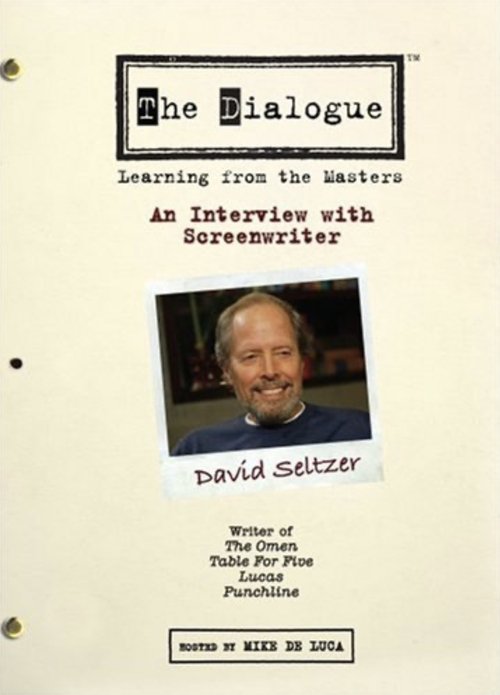
The Dialogue: An Interview with Screenwriter David Seltzer
2007
No user ratings available yet
Diversity score: 2.8 out of 10
2006
NOT RATEDDirector
Dave Moldavon
Runtime
88 minutes
Average Rating
No ratings yetSynopsis
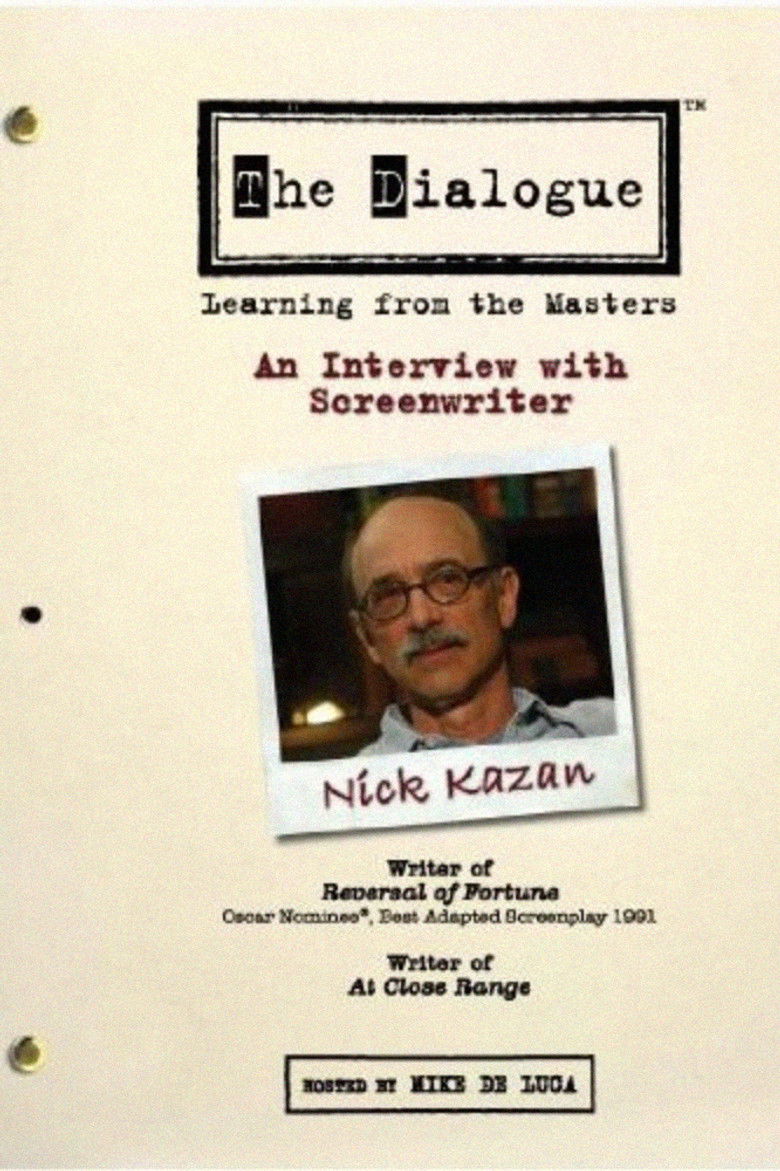
In this insightful interview, veteran dramatist Nick Kazan shares his know-how about handling studio script notes, integrating changes without sacrificing the material and developing screenwriting chops. The Oscar-nominated writer of the films Reversal of Fortune (1990), Frances (1982), At Close Range (1986) and Patty Hearst (1988) also explains why he doesn't "do lunch" and why he views life as a comedy.
Overall Score
Limited
Category Breakdown
LGBTQ+ Representation
The documentary focuses on the technical mechanics of screenwriting and studio relations. It contains no LGBTQ+ characters, themes, or narratives.
Gender Representation
The film centers on a male professional discussing industry dynamics. While it touches on Hollywood power structures, it lacks specific dialogue regarding gender hierarchies.
Racial & Ethnic Diversity
The narrative focus remains strictly on the individual professional expertise of Nick Kazan. There is no indication of a diverse cast or racial identity themes.
Religious & Cultural Diversity
Kazan’s rejection of traditional industry social hierarchies and 'doing lunch' suggests a critique of institutionalized creative control and capitalist networking norms.
Disability Representation
The film does not include disability-centric narratives or any representation of neurodivergence within its subject matter.
Strengths
Areas for Improvement
AI Analysis
The film serves as a specialized professional masterclass rather than a vehicle for social representation. It prioritizes the technical craft of screenwriting and the navigation of studio systems over the exploration of intersectional identities. Because the documentary is an interview centered on a single individual's career and methodology, it lacks the narrative framework necessary to engage with diverse character arcs or social identity politics. The content is strictly industry-centric.
2007
2006

1980
2007
1966
2017
1968

2008
1995
2013
2002

2012
No reviews yet. Be the first to share your thoughts on this movie!
Use the rating form above to leave a star rating and optional review.