Searching for Debra Winger
2002
No user ratings available yet
Representation score: 7.2 out of 10
Representation Score
Fair
2006
NOT RATEDDirector
Dave Moldavon
Runtime
86 minutes
Average Rating
No ratings yetNew Showbiz Analysis
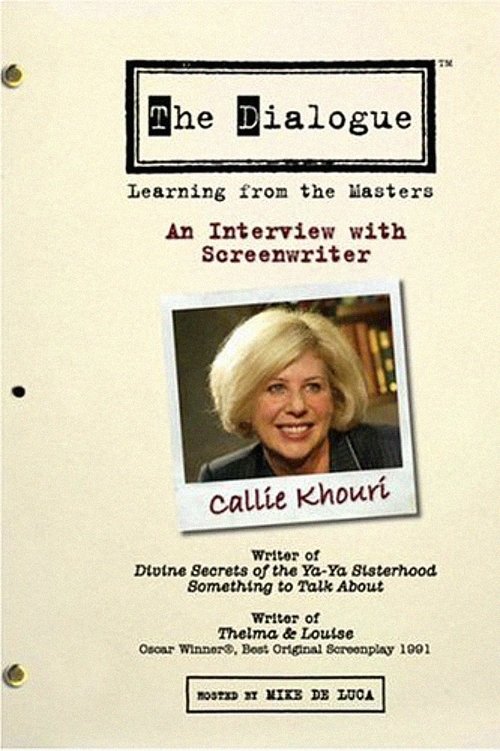
The documentary focuses on the professional achievements of a woman, challenging traditional industry hierarchies. While it highlights Khouri's career and her experiences in Hollywood, it lacks broader racial and LGBTQ+ representation. The film's strength lies in its intellectual critique of traditional structures, but it falls short in providing a wider range of identities and experiences.
Category Breakdown
The film doesn't show intimate or romantic relationships between LGBTQ+ individuals. However, it includes ideas about non-traditional gender roles and identity that Khouri influenced.
This documentary highlights the professional success of women by focusing on Khouri's work. It directly addresses the challenges of being a woman in a male-dominated industry.
The film focuses on the professional journey of a single person. It does not include a diverse cast or discuss multi-layered racial issues.
Khouri talks about how societal conditions shape her mindset and critiques the established industry. The narrative emphasizes social awareness and systemic issues.
The film doesn't provide any information or visible representation related to physical or neurodivergent disabilities.
Present on Screen
Limited or Absent
Official Synopsis
Callie Khouri's seminal, Oscar-winning® screenplay for Thelma & Louise, released in 1991, gave voice to a profound cultural moment and became one of the most provocative cinematic landmarks of the '90s. It was the Kentucky native's first attempt at a screenplay. In this enlightening interview, Khouri describes how spending years doing music video production in the '80s inspired her not only to write, but to write with a purpose. A passionate activist with a resume that includes Something to Talk About and her adaptation of Divine Secrets of the Ya-Ya Sisterhood, which she also directed, Khouri discusses in detail the pressure of living up to such early acclaim, what it's like to be a woman in the industry, and how the state of the world around you fuels and shapes your creative mindset. Also a frequent script doctor and former Writers Guild of America board member, Khouri delves into the ongoing issues facing the WGA, its membership, and its much-maligned arbitration process.
2002
2008
2006
2019

2018
2011

2025
2003
No reviews yet. Be the first to share your thoughts on this movie!
Use the rating form above to leave a star rating and optional review.