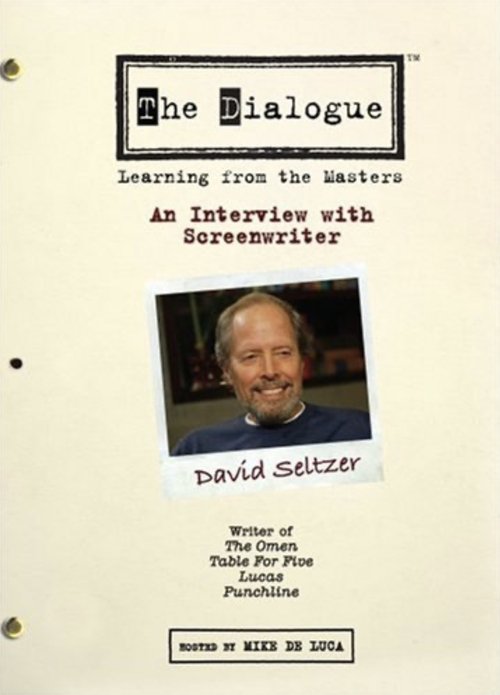
The Dialogue: An Interview with Screenwriter David Seltzer
2007
No user ratings available yet
Diversity score: 2.8 out of 10
2007
NOT RATEDRuntime
87 minutes
Average Rating
No ratings yetSynopsis
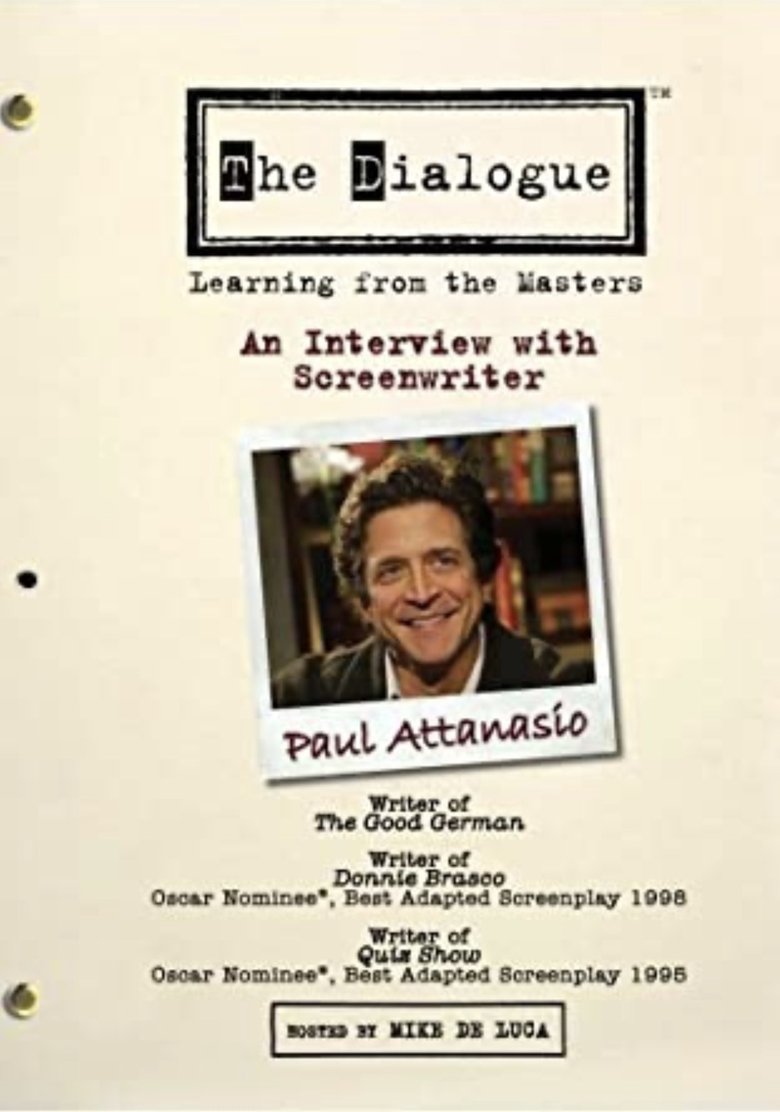
Paul Attanasio's nuanced screenplays for Quiz Show and Donnie Brasco earned him Oscar nominations, and he recently wrote The Good German for Steven Soderbergh. In this intense dialogue, Attanasio describes how he transformed himself from "snotty" Washington Post film critic to master of adaptations for Oscar-winning directors Robert Redford, Barry Levinson, and Soderbergh.
Overall Score
Minimal
Category Breakdown
LGBTQ+ Representation
The interview focuses exclusively on screenwriting craft and career trajectory. It contains no LGBTQ+ characters, themes of non-cisnormative identities, or critiques of heteronormativity.
Gender Representation
The dialogue centers on the professional history of Paul Attanasio. There is no depiction of gendered archetypes or subversion of traditional gendered power dynamics.
Racial & Ethnic Diversity
The film focuses on the career of a white male screenwriter. It lacks diverse casting, racial blending, or non-white protagonists to drive the narrative.
Religious & Cultural Diversity
The content remains a neutral professional discourse regarding the film industry. It does not engage with religious frameworks or systemic critiques of socio-political ideologies.
Disability Representation
There is no mention or depiction of visible or invisible disabilities. The film does not address neurodivergence or mental health conditions.
Strengths
Areas for Improvement
AI Analysis
This documentary functions as a specialized industry retrospective centered on the technical and biographical aspects of Paul Attanasio's career. Because the work is a professional dialogue rather than a narrative film, it lacks the character-driven architecture required to explore social hierarchies or identity politics. The film's scope is limited to the transition from film criticism to screenwriting and Attanasio's collaborations with various directors. Consequently, it does not feature the diverse casting or thematic subtext necessary to evaluate representation. Ultimately, the absence of diversity is a result of the film's format as a biographical interview rather than an intentional promotion of traditional hierarchies.
2007
2013
2004
2006
1950
2015
2009
1999
2015
2009
2005
2011
No reviews yet. Be the first to share your thoughts on this movie!
Use the rating form above to leave a star rating and optional review.