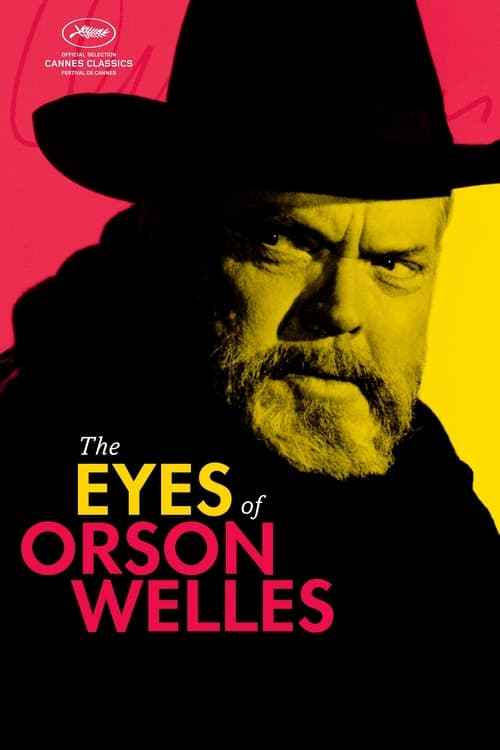
The Eyes of Orson Welles
2018
No user ratings available yet
Representation score: 4.3 out of 10
Representation Score
Minimal
1968
Director
François Reichenbach, Frédéric Rossif
Runtime
41 minutes
Average Rating
No ratings yetNew Showbiz Analysis
This documentary is a focused biography that emphasizes the intellectual history and professional philosophy of Orson Welles. Given its reliance on archival interviews, it lacks the ensemble dynamics needed for broad demographic representation. The film's narrow focus on a historically dominant figure limits opportunities for diverse perspectives. However, it offers insightful reflections on the nature of fame and creativity.
Category Breakdown
The film focuses on Orson Welles and does not include any explicit LGBTQ themes or narratives.
The narrative centers on the male perspective, with the primary focus on Orson Welles. It lacks diverse gendered dialogue.
The film features a predominantly white cast and crew, with no significant racial or ethnic diversity.
Welles provides a nuanced view of his creative life and the nature of fame, challenging traditional notions of success.
The film does not explore neurodivergence or physical disabilities in its narrative.
Present on Screen
Limited or Absent
Official Synopsis
Excerpts and fragments from different interviews with Orson Welles making a statement to journalists in fluent French about his career and his conception of life.
2018
2015
2015

2018
1995
2016
1993
2015
No reviews yet. Be the first to share your thoughts on this movie!
Use the rating form above to leave a star rating and optional review.