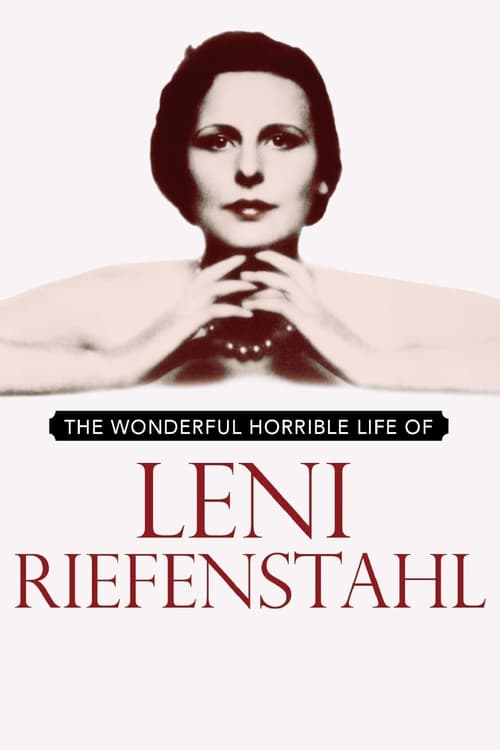
The Wonderful, Horrible Life of Leni Riefenstahl
1993
No user ratings available yet
Diversity score: 4.7 out of 10
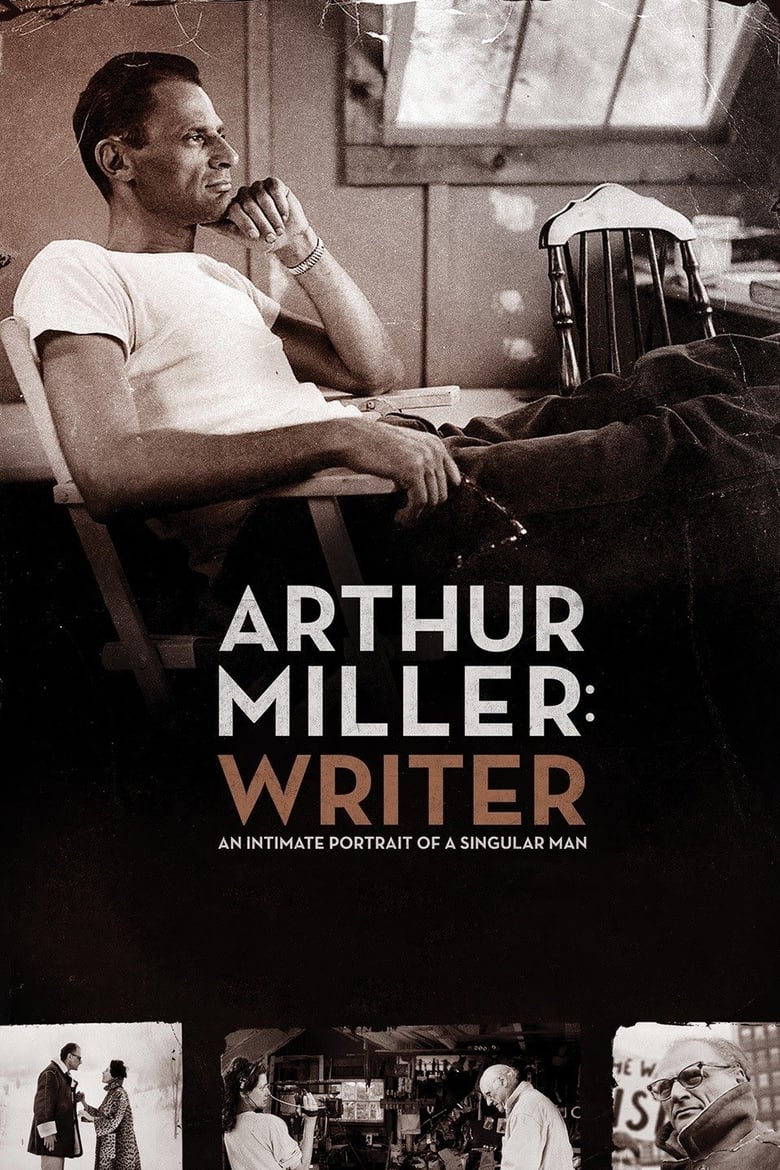
2017
PGDirector
Rebecca Miller
Runtime
101 minutes
Average Rating
No ratings yetSynopsis
One of the greatest playwrights of the 20th century, Arthur Miller created such celebrated works as Death of a Salesman and The Crucible, which continue to move audiences around the world today. He also made headlines for being targeted by the House Un-American Activities Committee at the height of the McCarthy Era and entering into a tumultuous marriage with Hollywood icon Marilyn Monroe. Told from the unique perspective of his daughter, filmmaker Rebecca Miller, Arthur Miller: Writer is an illuminating portrait that combines interviews spanning decades and a wealth of personal archival material, and provides new insights into Miller’s life as an artist and exploring his character in all its complexity.
Overall Score
Limited
Category Breakdown
LGBTQ+ Representation
The documentary focuses on Arthur Miller's documented heteronormative relationships. It lacks explicit focus on non-cisnormative identities or narratives that critique heteronormativity through an LGBTQ+ lens.
Gender Representation
The film deconstructs the 'great man' archetype by centering Rebecca Miller's perspective. It provides a nuanced look at how female figures like Marilyn Monroe intersected with patriarchal structures.
Racial & Ethnic Diversity
The narrative landscape is largely homogeneous, reflecting the subject's mid-20th-century white male intellectual milieu. It does not center non-white or non-Anglo-Saxon perspectives.
Religious & Cultural Diversity
The film explores Miller's critiques of the American Dream and institutional corruption. It engages with themes of individual morality versus oppressive social structures and state pressure.
Disability Representation
There is no significant evidence regarding the portrayal of visible or invisible disabilities as a central narrative element.
Strengths
Areas for Improvement
AI Analysis
The documentary serves as a sophisticated biographical retrospective that prioritizes psychological depth over detached tropes. By utilizing a female lens to examine a male icon, it disrupts conventional patriarchal storytelling patterns. While the film lacks demographic intersectionality, it succeeds in framing Miller through the friction between personal ethics and systemic political pressures. It moves beyond simple achievement to explore the domestic ripples of his career. Ultimately, the film's impact is found in its examination of moral relativism and mid-century American institutions rather than broad social representation.
1993
2017

2007
2013
2020

2009
2013

2000

2003
2011

2008

2014
No reviews yet. Be the first to share your thoughts on this movie!
Use the rating form above to leave a star rating and optional review.