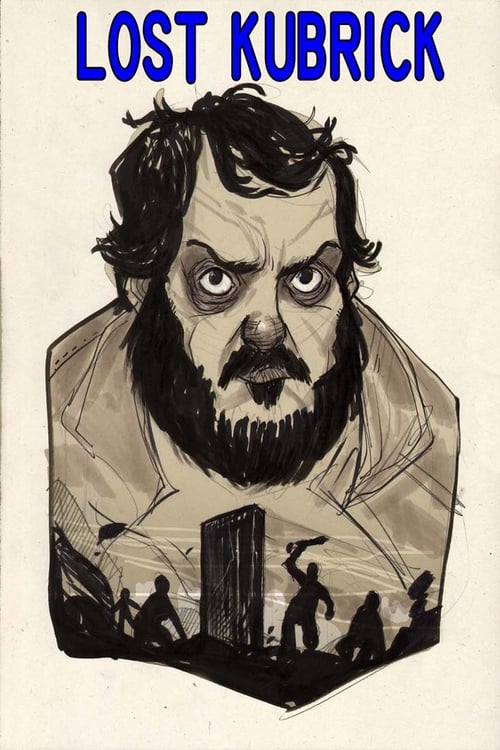
Lost Kubrick: The Unfinished Films of Stanley Kubrick
2007
No user ratings available yet
Representation score: 1.1 out of 10

Representation Score
Minimal
2008
Director
Jon Ronson
Runtime
48 minutes
Average Rating
No ratings yetNew Showbiz Analysis
Jon Ronson’s documentary is a specialized biographical study of a single auteur's creative process. Because the subject matter is the preservation of historical filmmaking artifacts, the capacity for intentional social representation is naturally limited. The film functions as a retrospective on technical meticulousness rather than a narrative designed to explore social hierarchies. It examines the mechanics of genius through audition tapes and production photographs. Ultimately, the narrow thematic scope prioritizes the professional legacy of Stanley Kubrick over diverse social dynamics or the subversion of systemic hierarchies.
Category Breakdown
The film focuses on the professional archives and personal effects of Stanley Kubrick. It does not include narratives exploring LGBTQ+ identities or critiques of the assumption that everyone is straight or cisgender.
Kubrick's widow initiates the archival process, providing a significant role. However, the film primarily documents a male auteur and the male-dominated structures of 20th-century filmmaking.
The study centers on a Western cinematic icon within a historically homogeneous context. There is no indication of intentional racial diversity or non-Anglo-Saxon perspectives.
The documentary celebrates individualistic genius and Western craftsmanship. It follows traditional Western biographical clichés rather than deconstructing systemic institutions or capitalism.
The film focuses on professional methodology and technical minutiae. There is no information regarding the portrayal of neurodivergence, physical disabilities, or mental health.
Present on Screen
Limited or Absent
Official Synopsis
A few years after his death, the widow of Stanley Kubrick (1928-1999) asks Jon Ronson to look through the contents of about 1,000 boxes of meticulously sorted materials Kubrick left. Ronson finds that most contain materials reflecting work Kubrick did after the release of "Barry Lyndon" in 1975, when Kubrick's film output slowed down. Ronson finds audition tapes for "Full Metal Jacket," photographs to find the right hat for "Clockwork Orange" or the right doorway for "Eyes Wide Shut" -- thousands of details that went into Kubrick's meticulous approach. Ronson believes that the boxes show "the rhythm of genius." Interviews with family, staff, and friends are included.
2007
2003
1996
2001
2014

2017
2020
2016
No reviews yet. Be the first to share your thoughts on this movie!
Use the rating form above to leave a star rating and optional review.