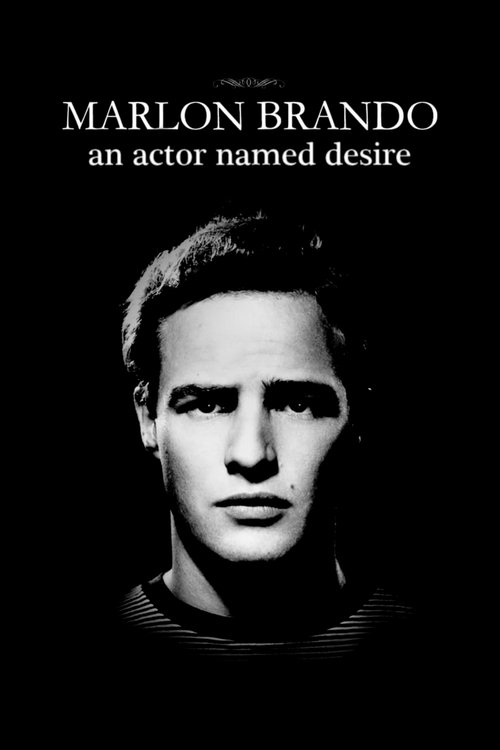
Marlon Brando: An Actor Named Desire
2014
No user ratings available yet
Representation score: 4.9 out of 10
Representation Score
Minimal
1966
Not RatedDirector
Albert Maysles, David Maysles, Charlotte Zwerin
Runtime
28 minutes
Average Rating
No ratings yetNew Showbiz Analysis
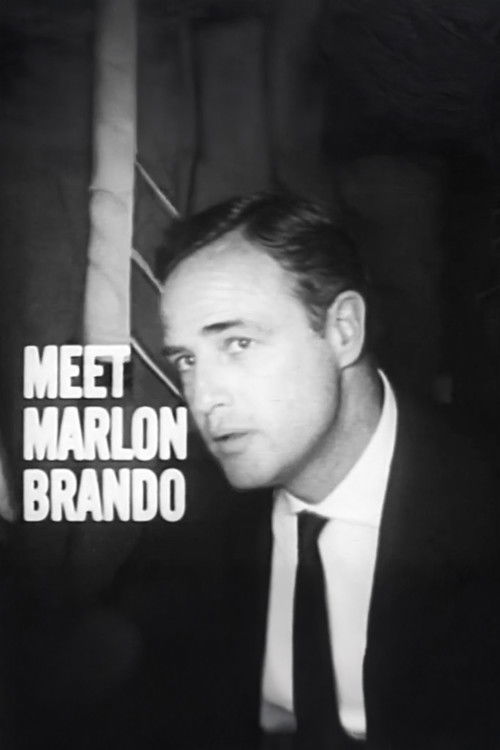
Meet Marlon Brando is a focused character study rather than a film designed for broad demographic representation. It lacks diverse identity markers, resulting in low scores for racial, LGBTQ+, and disability representation. However, the film excels in its cultural critique. Using a direct-cinema approach, the directors capture Brando’s resistance to the superficial performances demanded by the Hollywood studio system. Ultimately, the film’s strength lies in its disruption of institutional norms and its portrayal of individual ability to act against corporate media structures.
Category Breakdown
The film does not include any LGBTQ+ characters or stories about non-assuming gender matches what was assigned at birth identities. It focuses solely on Marlon Brando's professional life within a 1960s media context.
The story centers around a single male figure, reinforcing traditional masculinity. However, Brando challenges the typical expectations of a leading man by refusing to play the role of a charismatic hero.
As a study of a white actor, the film lacks meaningful racial or ethnic diversity. The setting reflects the homogeneous society of mid-1960s Hollywood.
The film offers a sharp critique of Western media and the commodification of individuals. Brando’s refusal to conform to the star system highlights themes of anti-institutionalism and personal integrity.
There are no depictions of visible or invisible disabilities, neurodivergence, or mental health conditions in the film.
Present on Screen
Limited or Absent
Official Synopsis
Filmed during a studio-organized press junket, "Meet Marlon Brando" observes Marlon Brando as he fields a succession of television interviews meant to promote Morituri. Rather than comply, Brando deflects questions with irony, flirtation, and philosophical detours, subtly undermining the promotional ritual itself. Shot in direct-cinema style by Albert Maysles and David Maysles, the film becomes a candid study of celebrity, media performance, and resistance to commodification.
2014
2015

2007
1999

1965
![Movie poster for Screen Test [ST155]: Dennis Hopper](https://image.tmdb.org/t/p/w500/gd6kmv76eK82k96iMRjbGfZRsVr.jpg)
1964

2019
1964
No reviews yet. Be the first to share your thoughts on this movie!
Use the rating form above to leave a star rating and optional review.