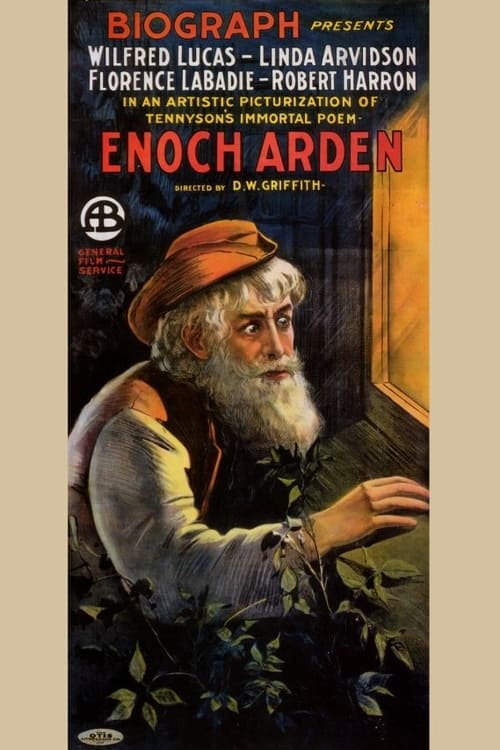
Enoch Arden: Part II
1911
No user ratings available yet
Representation score: 0.1 out of 10

Representation Score
Minimal
1911
Not RatedDirector
D.W. Griffith
Runtime
17 minutes
Average Rating
No ratings yetNew Showbiz Analysis
Enoch Arden: Part I is a classic early melodrama that emphasizes the maintenance of traditional social structures. The film serves as a vehicle for the era's dominant cultural and domestic values without questioning them. The narrative structure relies on strict social divisions and conventional morality. By emphasizing the nuclear family and the provider role, the film upholds the social norms of the early 20th century. Overall, the film offers a singular, homogeneous perspective that aligns with the period's typical demographic representation, lacking any meaningful diversity.
Category Breakdown
The film focuses solely on traditional heterosexual relationships and does not include any representation of LGBTQ+ identities or subtexts.
The movie adheres to traditional gender roles from the Victorian era. Annie's role is centered around her domestic duties, while Enoch is defined by his inability to provide for his family.
The film presents a homogeneous, Anglo-centric world with no representation of racial or ethnic diversity among the cast or settings.
The story upholds traditional Western values related to marriage and social order. It does not include any elements that challenge these established institutions.
There are no visible or invisible disabilities portrayed in the film, nor are they used as central themes or narrative devices.
Present on Screen
Limited or Absent
Official Synopsis
Enoch Arden, a humble fisherman, marries Annie Lee. He signs on as a sailor to make more money to support their growing family. A storm wrecks his ship, but Enoch swims to a deserted island. Annie waits vainly for his return.
1911

1934

1915

1909
1913

1911
1910
1910
No reviews yet. Be the first to share your thoughts on this movie!
Use the rating form above to leave a star rating and optional review.