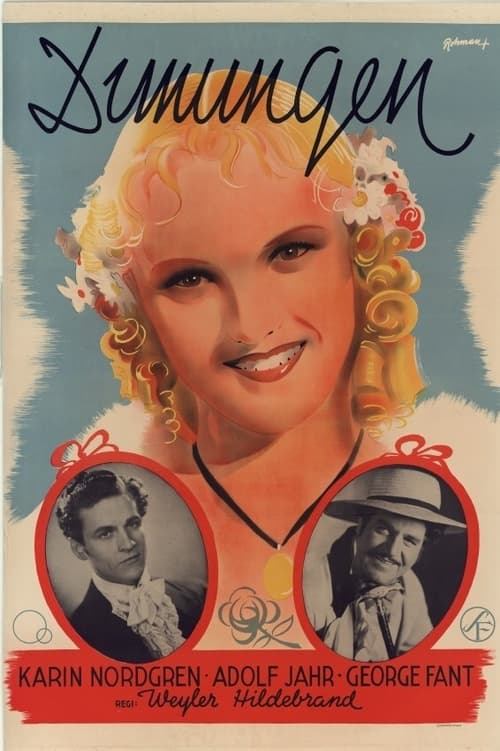
Dunungen
1941
No user ratings available yet
Diversity score: 1.2 out of 10
No Poster Available
1921
Director
Hanns Kobe
Runtime
64 minutes
Average Rating
No ratings yetSynopsis
John, a young man raised by his aunt, is in love with Anna, a servant girl who is going to have his baby. He is willing to marry her but his stern aunt wants him to marry a rich girl. To separate the lovers, she arranges for her nephew to be enrolled at a university in a distant town. She then has Anna sent away to live with Torgus the coffin maker and his mother where she will be secluded until the birth of the child. Torgus, a clumsy golem-esque sort of fellow, is immediately charmed by the beautiful girl and takes pity on her. Meanwhile, Anna anxiously awaits John's return.
Overall Score
Minimal
Category Breakdown
LGBTQ+ Representation
The film focuses on a traditional romantic pairing. There is no evidence of non-heteronormative identities or same-sex intimacy.
Gender Representation
Female characters lack autonomy, acting as passive recipients of systemic decisions. While the aunt drives the plot, she does so to uphold rigid social hierarchies.
Racial & Ethnic Diversity
The narrative centers on class distinctions rather than racial or ethnic intersectionality. No multi-ethnic cast is indicated.
Religious & Cultural Diversity
The plot prioritizes traditional morality and the preservation of social standing. It reinforces conservative values by managing social deviations like unwed pregnancy.
Disability Representation
Torgus is described as clumsy and golem-esque. This risks using physical or cognitive atypicality as a mere trope for pathos.
Strengths
Areas for Improvement
AI Analysis
Torgus is a period drama that reinforces existing social hierarchies and class-based power dynamics. The narrative lacks intersectional complexity, focusing instead on the preservation of status and the subjection of marginalized individuals to dominant familial structures. The story centers on the management of social scandal and the enforcement of class boundaries. Characters like Anna are displaced by the whims of wealthier figures, emphasizing a lack of agency for the servant class. Ultimately, the film functions as a traditional narrative that upholds conservative institutional values rather than subverting them.
1941
1928
1915
1924
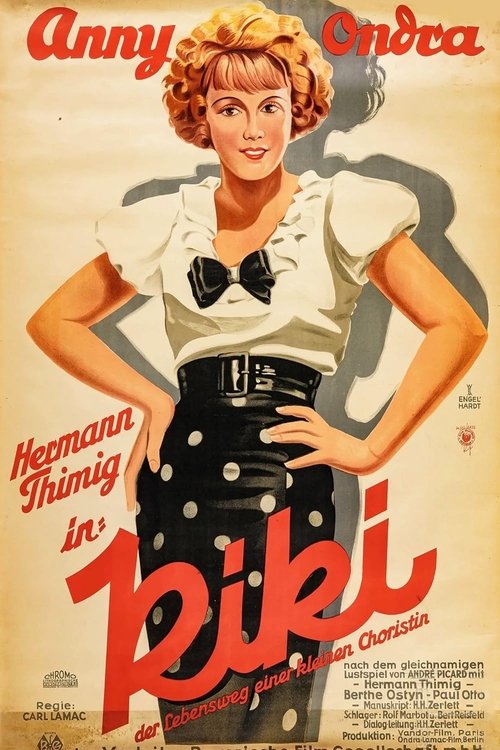
1932
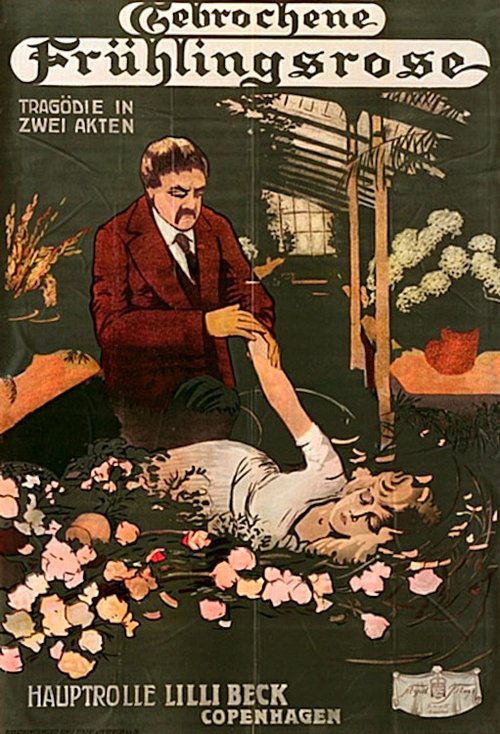
1912
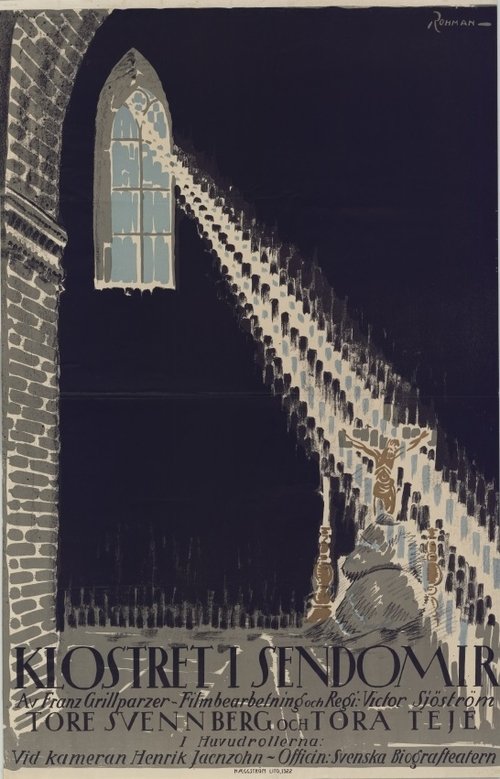
1920

1969
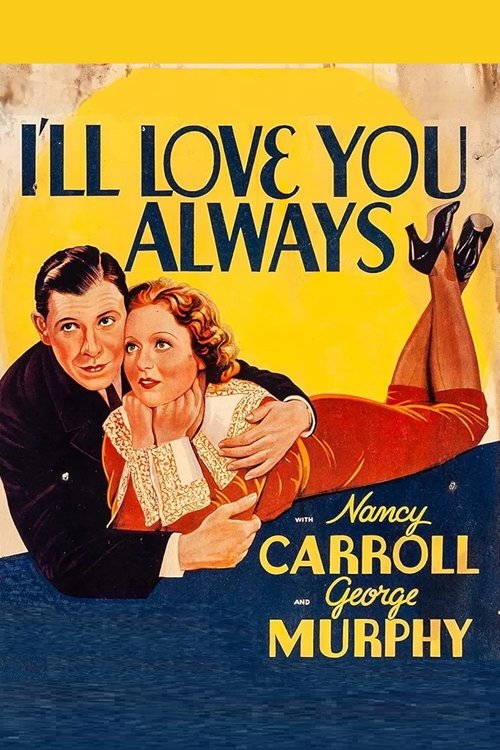
1935
1925
1926
1921
No reviews yet. Be the first to share your thoughts on this movie!
Use the rating form above to leave a star rating and optional review.