
Dancing Mothers
1926
No user ratings available yet
Diversity score: 2.0 out of 10
1926
PassedDirector
Herbert Brenon
Runtime
70 minutes
Average Rating
No ratings yetSynopsis
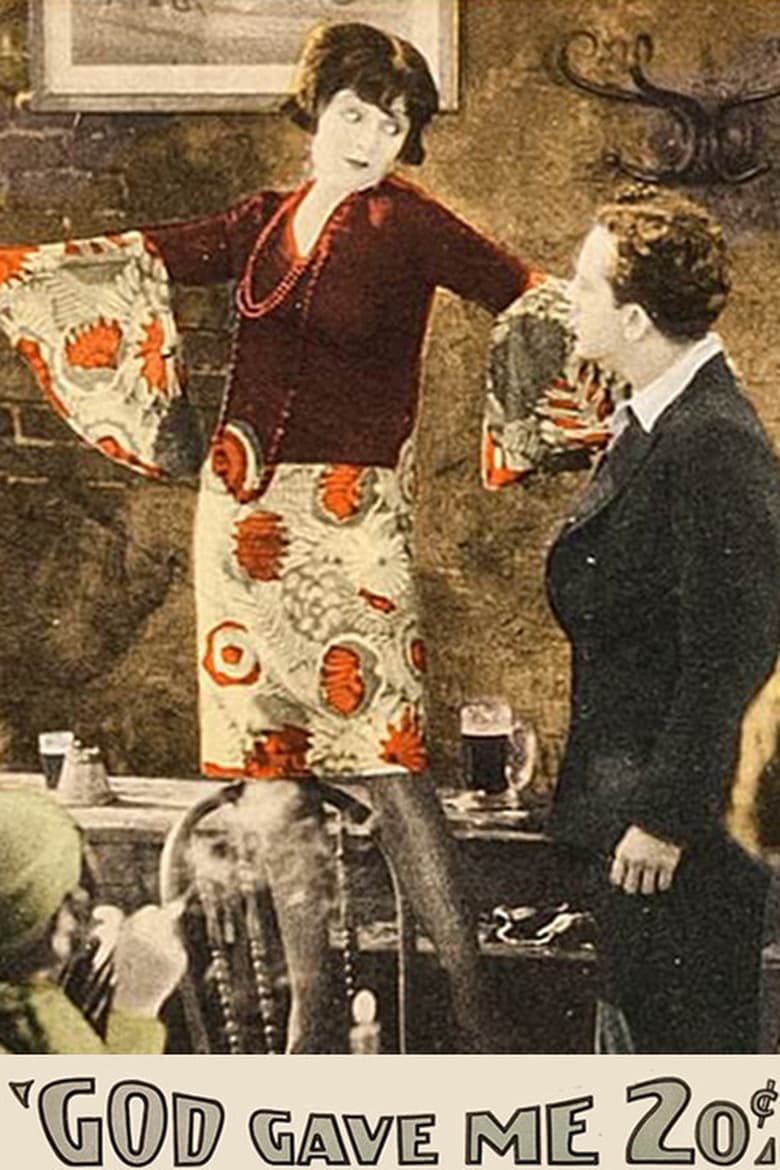
The story concerns the misadventures of sailor Steve Doren, who tries his best to support his wife Mary on his piddling income. But like seafaring men everywhere, Steve is constitutionally unreliable, especially when hip-swinging temptress Cassie Lang sashays into view.
Overall Score
Limited
Category Breakdown
LGBTQ+ Representation
The story centers on a heteronormative romantic triangle. There is no evidence of non-cisnormative identities or narratives that challenge traditional romantic structures.
Gender Representation
Characters rely on era-specific archetypes. Mary represents domestic struggle and financial dependence, while Cassie Lang is framed as a seductive, hip-swinging temptress.
Racial & Ethnic Diversity
The film lacks evidence of a diverse or non-Anglo-Saxon cast. It appears to follow the homogeneous casting standards typical of 1926 American cinema.
Religious & Cultural Diversity
Themes focus on marital fidelity and working-class struggles within traditional moral frameworks. The narrative lacks critiques of Western institutions or secularist perspectives.
Disability Representation
The narrative provides no mention of characters with visible or invisible disabilities.
Strengths
Areas for Improvement
AI Analysis
God Gave Me Twenty Cents is a period drama that functions as a reflection of conservative 1920s cinematic norms. The plot relies heavily on established social archetypes, particularly regarding gender and morality. The film lacks intentionality in disrupting social hierarchies. Instead, it reinforces traditional tropes through its characterizations of domesticity and temptation. Overall, the production adheres to the homogeneous and heteronormative standards of its era, offering little in the way of diverse representation or subversion.
1926
1922
1935
1932
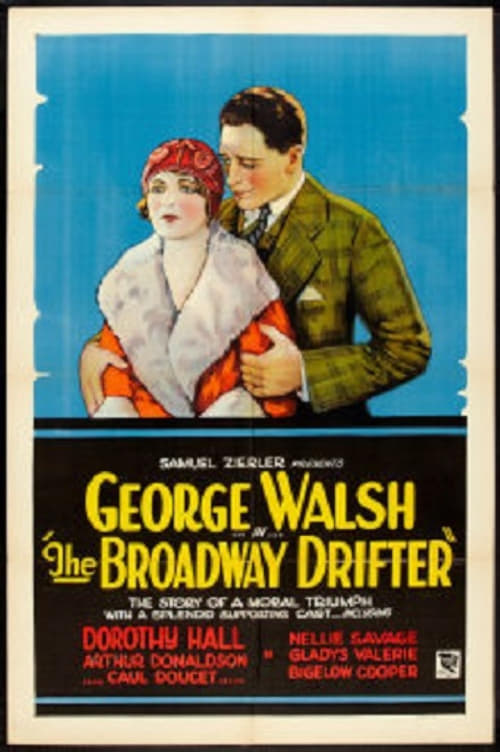
1927
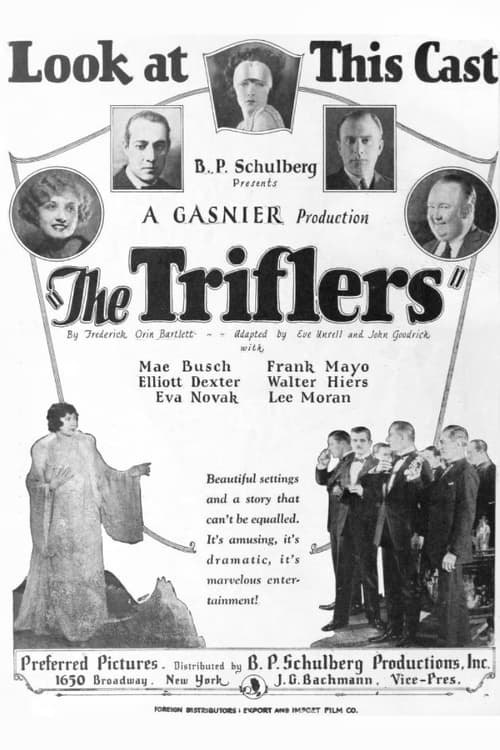
1924

1929
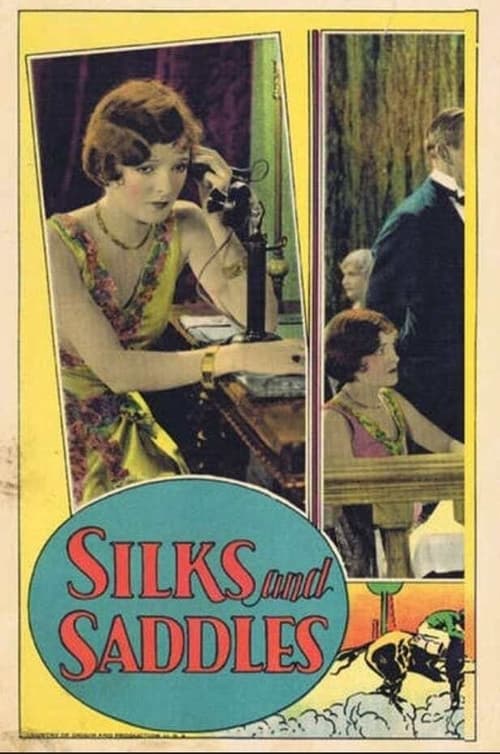
1929
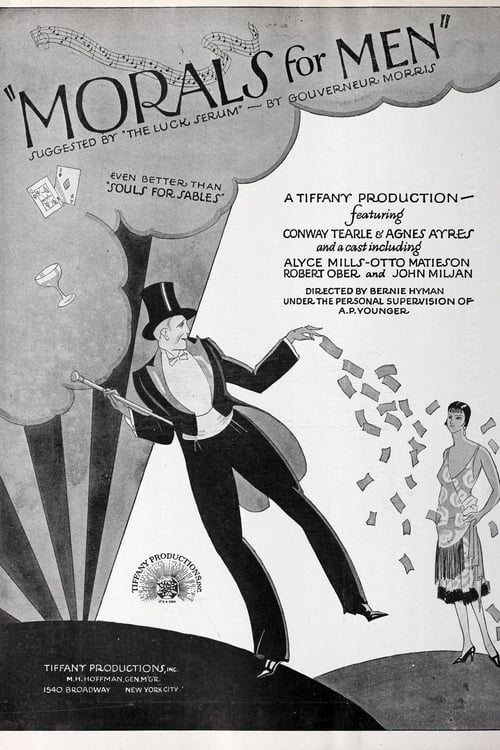
1925
1918
1929
1920
No reviews yet. Be the first to share your thoughts on this movie!
Use the rating form above to leave a star rating and optional review.