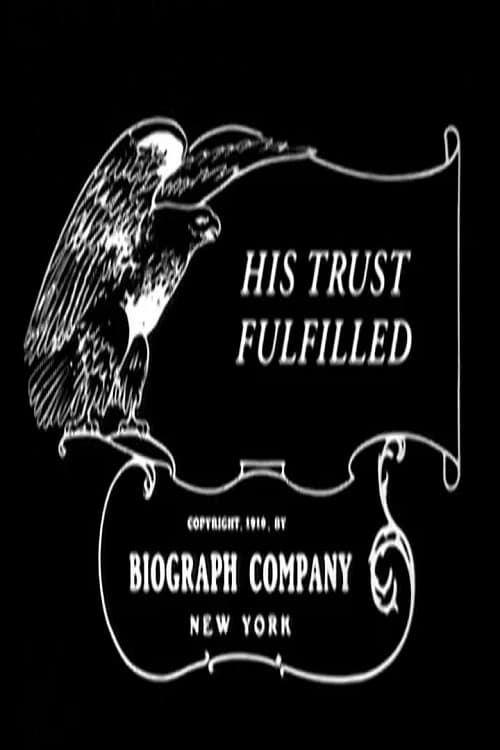
His Trust Fulfilled
1911
No user ratings available yet
Representation score: 0.9 out of 10

Representation Score
Minimal
1911
NRDirector
D.W. Griffith
Runtime
14 minutes
Average Rating
No ratings yetNew Showbiz Analysis
The film reinforces early 20th-century social hierarchies through its narrative structure, emphasizing the preservation of the traditional family unit through sentimental drama. It relies on established social orders, using racial representation to support the continuity of the white family. The film does not challenge the gendered or racial norms of 1911. Ultimately, the film upholds traditionalist sentiments and the social structures of its era without providing complex or diverse character studies.
Category Breakdown
The film does not include any characters with non-binary gender identities. The story focuses solely on the traditional family unit of the time.
The plot reinforces traditional gender roles by emphasizing the male protagonist's emotional stability. Female characters are portrayed mainly as figures to be protected rather than independent individuals.
The film uses the 'faithful servant' stereotype through the character George. His role is defined by his loyalty to a white family rather than having an independent storyline.
The story highlights traditional Western values such as loyalty and domesticity. It upholds the sanctity of the traditional family and the social order of the time.
The film does not depict any characters with physical or neurodivergent disabilities.
Present on Screen
Limited or Absent
Official Synopsis
A Confederate officer is called off to war. He leaves his wife and daughter in the care of George, his faithful Negro servant. After the officer is killed in battle, George continues in his caring duties, faithful to his trust.
1911
1915
1897
2004
1911

1926

2008
1942
No reviews yet. Be the first to share your thoughts on this movie!
Use the rating form above to leave a star rating and optional review.