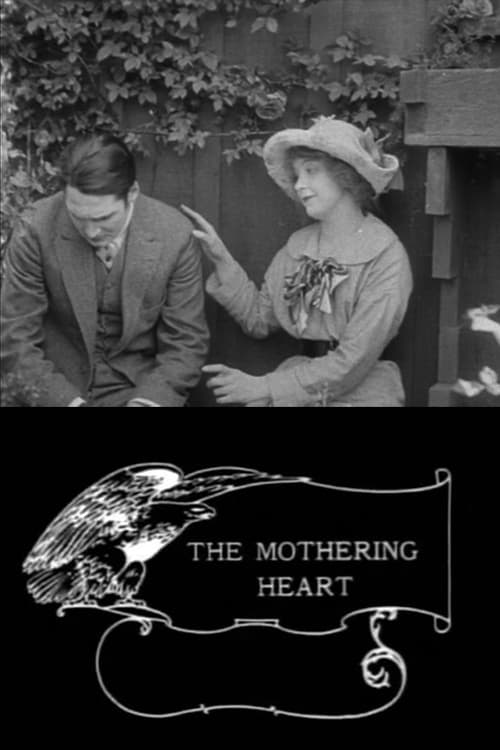
The Mothering Heart
1913
No user ratings available yet
Diversity score: 1.5 out of 10
1913
Director
August Blom
Runtime
117 minutes
Average Rating
No ratings yetSynopsis
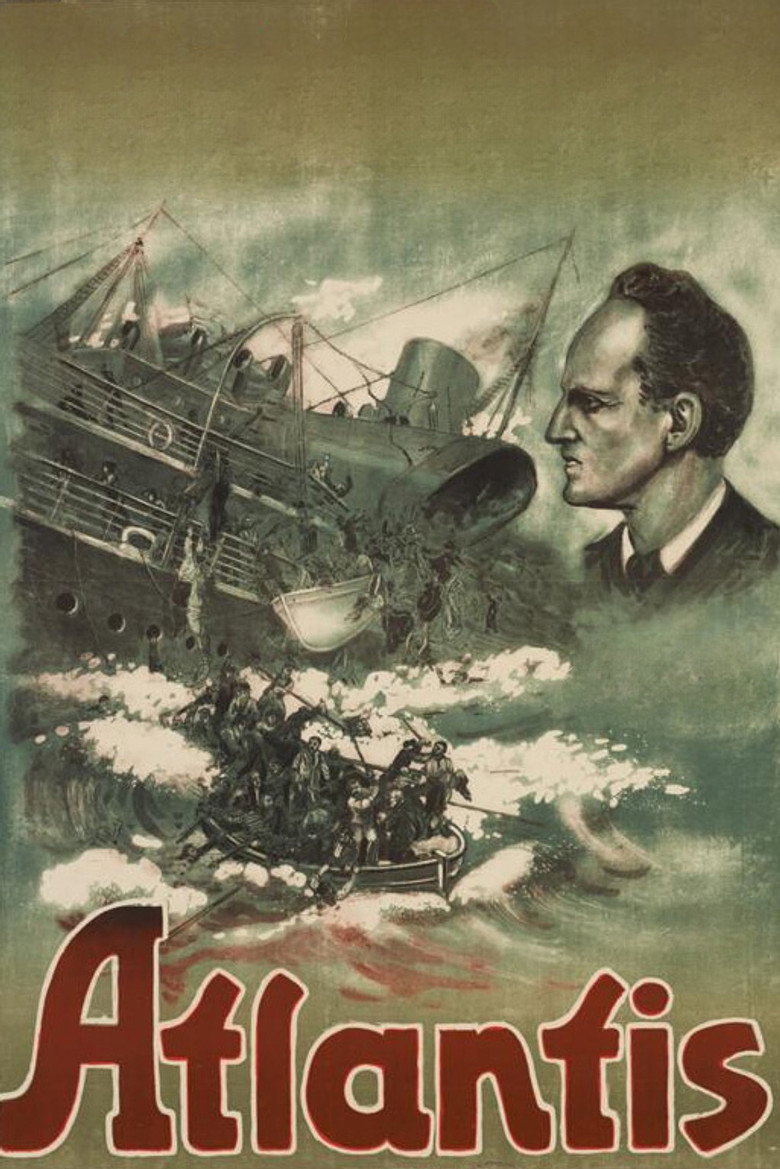
Overwhelmed by personal and professional problems, biologist Friedrich von Kammacher decides to travel abroad in order to regain the joy of living. During his adventurous journey he will meet two very different women, one of whom will be the key to his fate.
Overall Score
Minimal
Category Breakdown
LGBTQ+ Representation
The film lacks any evidence of non-cisnormative identities or same-sex intimacy. The plot centers on a man's interactions with two women, following a traditional heteronormative romantic structure.
Gender Representation
While women are pivotal to the protagonist's fate, the narrative architecture centers on Friedrich von Kammacher's agency. The female characters appear to function primarily as catalysts for his personal development.
Racial & Ethnic Diversity
The production reflects the homogeneous European demographic standards of 1913 Denmark. There is no documented evidence of racial blending or diverse casting in the available records.
Religious & Cultural Diversity
The story is rooted in individualist, Western-centric values common to early 20th-century European society. It follows a standard melodramatic arc without exploring alternative cultural or secularist critiques.
Disability Representation
The protagonist struggles with personal and professional problems, but these are not framed through the lens of physical or neurodivergent disability. No specific evidence supports a disability narrative.
Strengths
Areas for Improvement
AI Analysis
Atlantis serves as a period-specific artifact of the Danish Golden Age, adhering strictly to the dramatic conventions of early 20th-century European cinema. The narrative is built around individualist struggles and traditional interpersonal dynamics, lacking the intersectional complexity found in modern works. The film's structure prioritizes a male protagonist's journey, with female characters serving as supporting elements in his emotional arc. This reflects the social hierarchies and storytelling tropes of the 1910s rather than an intentional effort to subvert them. Ultimately, the film's lack of diversity is a reflection of its historical context. It operates within a homogeneous European framework that does not challenge the standard moral or social structures of its era.
1913

1918
1928
1938
1925
1922

1933
1929

1967

2014

1964
1920
No reviews yet. Be the first to share your thoughts on this movie!
Use the rating form above to leave a star rating and optional review.