My Baby
1912
No user ratings available yet
Representation score: 0.2 out of 10
Representation Score
Limited
1910
NRDirector
D.W. Griffith
Runtime
14 minutes
Average Rating
No ratings yetNew Showbiz Analysis
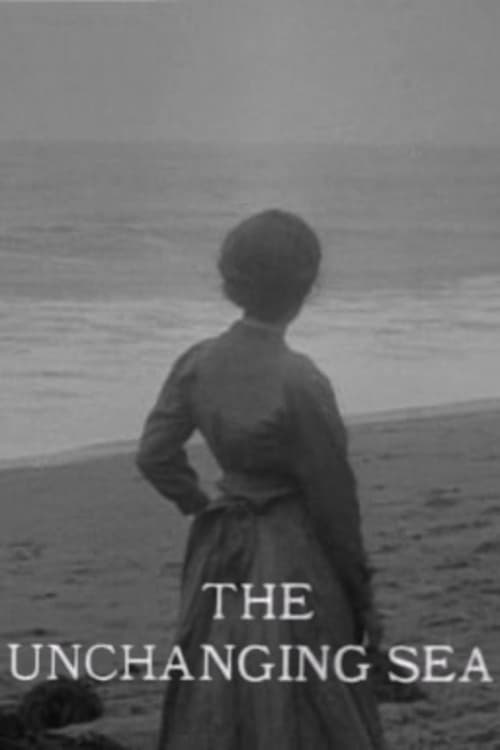
The Unchanging Sea is a traditionalist period drama that reinforces established social hierarchies and communal norms. Its narrative structure emphasizes familial continuity and a singular, homogeneous cultural identity. The film lacks complexity in representing diverse identities, relying on conventional formulas to drive its emotional arc. Ultimately, it offers a sentimental portrayal of life's permanence without challenging the social structures of its era.
Category Breakdown
The film follows a traditional marriage structure without any representation of LGBTQ+ identities or critiques of standard social norms.
The narrative positions the wife in a traditional domestic role, highlighting her resilience as a single parent. However, her role remains closely tied to her family responsibilities.
The story unfolds in a homogeneous seaside community, reflecting a single cultural norm typical of early 20th-century filmmaking.
The film celebrates the stability of the family unit and the cyclical nature of life through a sentimentalist lens, avoiding any critique of Western social structures.
Amnesia serves as a plot device to advance the story and facilitate the passage of time. It is used primarily as a narrative tool rather than a nuanced exploration of identity.
Present on Screen
Limited or Absent
Official Synopsis
In this story set at a seaside fishing village and inspired by a Charles Kingsley poem, a young couple's happy life is turned about by an accident. The husband, although saved from drowning, loses his memory. A child is on the way, and soon a daughter is born to his wife. We watch the passage of time, as his daughter matures and his wife ages. The daughter becomes a lovely young woman, herself ready for marriage. One day on the beach, the familiarity of the sea and the surroundings triggers a return of her father's memory, and we are reminded that although people age and change, the sea and the ways of the fisherfolk remain eternal.
1912

1965

1909

1934
1905

1942
1909

1920
No reviews yet. Be the first to share your thoughts on this movie!
Use the rating form above to leave a star rating and optional review.