The Teacher who Defied Hitler
2014
No user ratings available yet
Diversity score: 6.7 out of 10
2010
RDirector
Yael Hersonski
Runtime
89 minutes
Average Rating
No ratings yetSynopsis
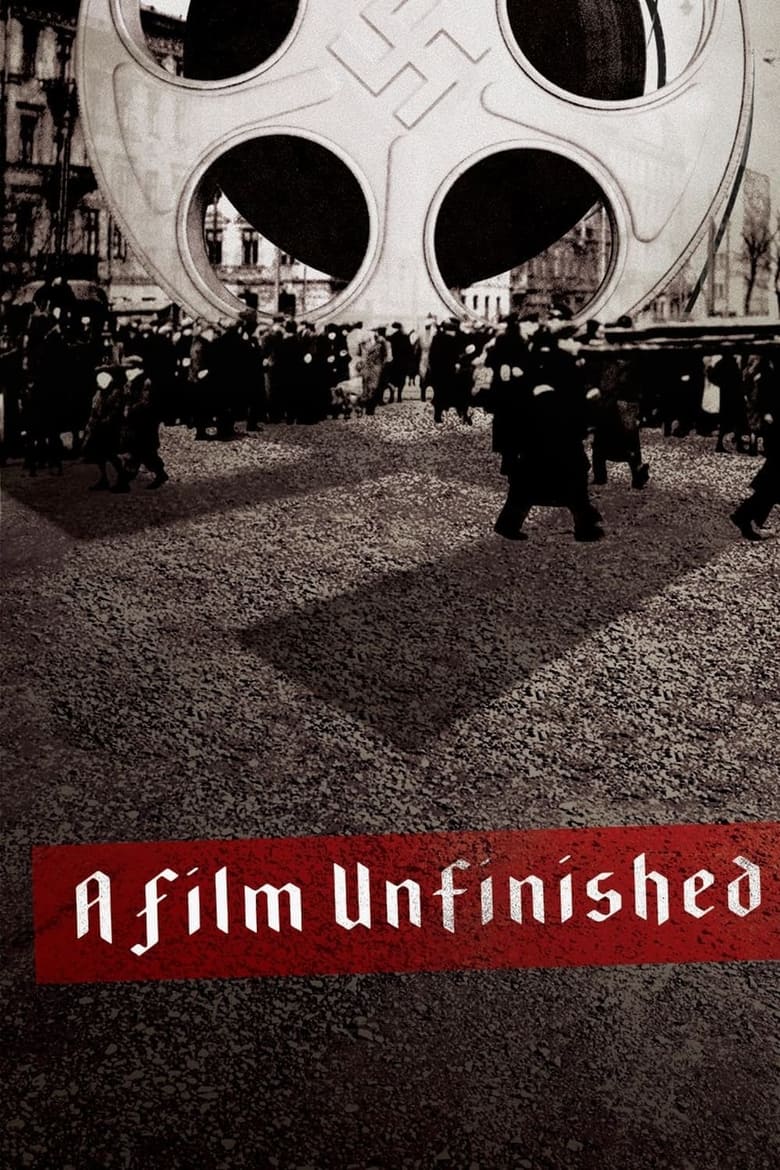
Yael Hersonski's powerful documentary achieves a remarkable feat through its penetrating look at another film-the now-infamous Nazi-produced film about the Warsaw Ghetto. Discovered after the war, the unfinished work, with no soundtrack, quickly became a resource for historians seeking an authentic record, despite its elaborate propagandistic construction. The later discovery of a long-missing reel complicated earlier readings, showing the manipulations of camera crews in these "everyday" scenes. Well-heeled Jews attending elegant dinners and theatricals (while callously stepping over the dead bodies of compatriots) now appeared as unwilling, but complicit, actors, alternately fearful and in denial of their looming fate.
Overall Score
Fair
Category Breakdown
LGBTQ+ Representation
The documentary lacks prominent LGBTQ+ characters or narratives. Its focus remains strictly on historical archival analysis and the mechanics of Holocaust-era film production.
Gender Representation
The film maintains a neutral stance on gender hierarchies. While directed by a woman, the archival subject matter does not explicitly address gendered power dynamics.
Racial & Ethnic Diversity
The film provides meaningful representation by centering the Jewish experience in the Warsaw Ghetto. It offers a nuanced look at ethnic agency under systemic oppression.
Religious & Cultural Diversity
The work excels at deconstructing institutional power and state-sponsored propaganda. It explores the complex moral gray areas of survival and situational ethics during the Holocaust.
Disability Representation
There is no documented focus on disability, neurodivergence, or sensory impairments as central narrative elements or character arcs.
Strengths
Areas for Improvement
AI Analysis
A Film Unfinished is an intellectual investigation into the architecture of propaganda. It succeeds by deconstructing how Nazi-produced footage manipulated reality, offering a sophisticated critique of historical truth. The film's primary strength lies in its nuanced portrayal of ethnic identity and its ability to challenge official historical narratives. It moves beyond simple recounting to explore the complicity of the lens. However, the documentary prioritizes academic and historical deconstruction over demographic representation. It does not engage with LGBTQ+ or disability-specific narratives, focusing instead on the systemic mechanics of the Holocaust.
2014

2015
2004
2000
2011

2008
2014
No reviews yet. Be the first to share your thoughts on this movie!
Use the rating form above to leave a star rating and optional review.