
50 Children: The Rescue Mission of Mr. and Mrs. Kraus
2013
No user ratings available yet
Representation score: 5.8 out of 10
Representation Score
Fair
2011
Not RatedDirector
Burak Arlıel
Runtime
90 minutes
Average Rating
No ratings yetNew Showbiz Analysis
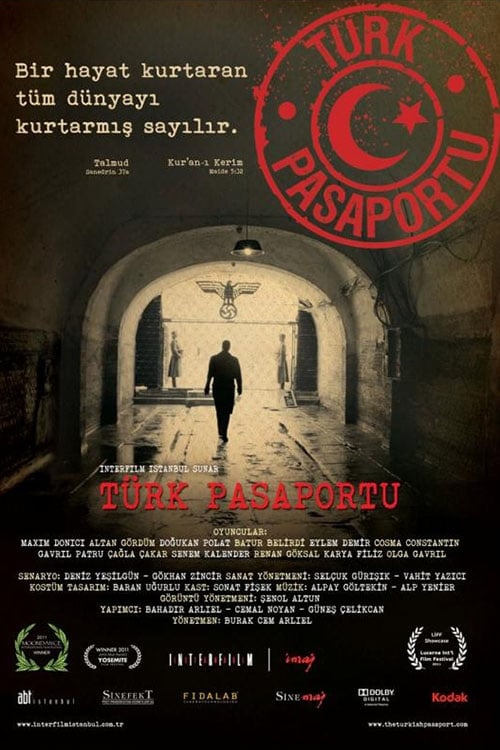
Turkish Passport succeeds by disrupting the standard Eurocentric framework of Holocaust historiography. By centering the ability to act of a non-Western diplomatic body, the film provides a complex, multi-layered view of humanitarian intervention during a global crisis. The documentary uses historical documents and witness testimonies to elevate underrepresented voices. This approach moves the narrative away from singular nationalistic triumphs toward a more nuanced understanding of situational morality. However, the film remains limited by a traditional historical lens. The focus on diplomatic roles and wartime geopolitics results in a lack of visible representation for LGBTQ+ identities and female leadership.
Category Breakdown
The film focuses on geopolitical and humanitarian efforts during the Second World War. There are no explicit LGBTQ+ character arcs or non-cisgender identities present in the narrative.
The story centers on diplomats, a role historically dominated by men in the 1940s. The narrative does not explicitly detail women in leadership or decision-making roles.
The film highlights the experiences of Turkish citizens of Jewish descent. It uses archival footage and testimonies to provide a platform for these underrepresented voices.
The narrative presents the Turkish diplomatic corps as a primary agent of salvation. This challenges Western-centric historical views by offering a multi-perspective view of WWII.
There is no information regarding the portrayal of physical or neurodivergent disabilities within the film.
Present on Screen
Limited or Absent
Official Synopsis
The Turkish Passport tells the story of diplomats posted to Turkish embassies and consulates in several European countries, who saved numerous Jews during the Second World War. Whether they pulled them out of camps or took them off trains that were taking them to concentration camps, the diplomats, in the end, ensured that the Jews, who were Turkish citizens, could return to Turkey and thus be saved. Based on the testimonies of witnesses, who traveled to Istanbul to find safety, the Turkish Passport also uses written historical documents and archive footage to tell this story of rescue and bring to light the events of the time.
2013

1998
2000

2009

2010

2011

2016

1959
No reviews yet. Be the first to share your thoughts on this movie!
Use the rating form above to leave a star rating and optional review.