
Matt Shepard Is a Friend of Mine
2014
No user ratings available yet
Representation score: 6.8 out of 10
Representation Score
Excellent
2000
PG-13Director
Rob Epstein, Jeffrey Friedman
Runtime
74 minutes
Average Rating
No ratings yetNew Showbiz Analysis
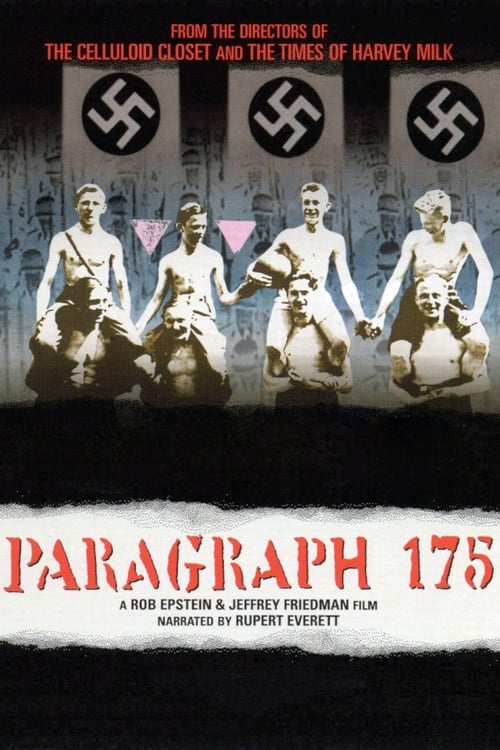
This documentary is a crucial historical reclamation that centers the voices of those underrepresented by the Nazi regime. By focusing on the survivors of Paragraph 175, the film provides an essential counter-narrative to traditional, straight-centered historical archives. The documentary excels in LGBTQ+ representation by prioritizing queer ability to act. However, the specific historical focus on mid-20th-century German law naturally restricts the racial and gender diversity of the subjects. Ultimately, the film succeeds as a sophisticated critique of state-sanctioned oppression, using personal testimony to challenge the historical canon and preserve a suppressed reality.
Category Breakdown
The documentary focuses on the experiences of LGBTQ+ individuals, especially queer men who survived the Third Reich. It gives them a significant role in driving the story by highlighting their stories and disrupting historical erasure.
The film primarily focuses on the persecution of men, limiting its gender breadth. However, it deconstructs the rigid masculine identities imposed by the Nazis by showing the vulnerability of those labeled as deviants.
The subjects and archival footage mainly feature white European males, reflecting the historical and geographic context of the German Penal Code. This limitation is due to the specific focus of the film.
The film critiques state power and institutionalized prejudice. It highlights how Western legal systems can perpetuate systemic oppression and fails to dismantle discriminatory frameworks.
The narrative touches on the physical and psychological trauma experienced by concentration camp survivors. These elements are presented as consequences of persecution rather than central character traits.
Present on Screen
Limited or Absent
Official Synopsis
During the Nazi regime, there was widespread persecution of homosexual men, which started in 1871 with the Paragraph 175 of the German Penal Code. Thousands were murdered in concentration camps. This powerful and disturbing documentary, narrated by Rupert Everett, presents for the first time the largely untold testimonies of some of those who survived.
2014
1996

2011

1997

2015

1984

1997

2021
No reviews yet. Be the first to share your thoughts on this movie!
Use the rating form above to leave a star rating and optional review.