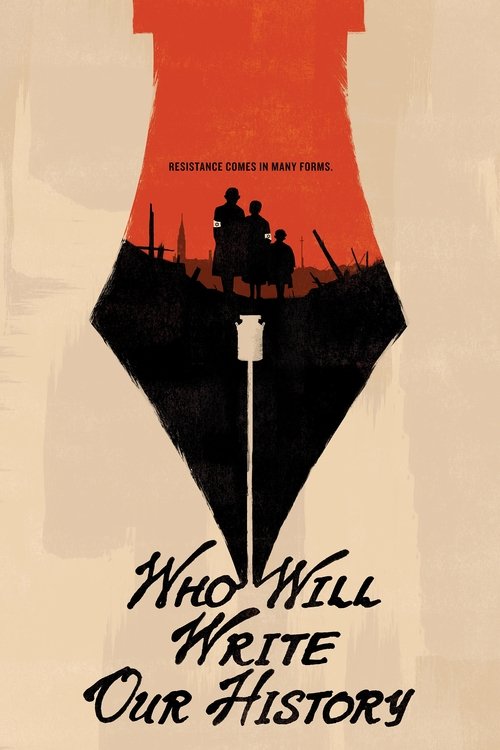
Who Will Write Our History?
2018
No user ratings available yet
Representation score: 6.6 out of 10
Representation Score
Limited
2014
Director
Jan Komasa
Runtime
76 minutes
Average Rating
No ratings yetNew Showbiz Analysis
Director Jan Komasa presents a powerful, historically accurate portrayal of the Polish resistance during World War II. The film challenges traditional heroic war narratives by highlighting the psychological toll of systemic upheaval. However, its focus on historical accuracy limits the diversity of its characters and settings. Ultimately, the film explores the human experience under extreme conditions while remaining true to its historical context.
Category Breakdown
There are no characters or narratives addressing LGBTQ+ identities in this film, which focuses solely on the events of the 1944 uprising.
Women play active roles as combatants and nurses, reflecting the social norms of the time.
The cast is mostly made up of actors representing the ethnic makeup of the Polish resistance during World War II, without much diversity.
The film shows the breakdown of traditional social structures and family units, emphasizing a secular perspective focused on survival.
The film portrays physical and psychological trauma as a result of war, but these depictions serve more as narrative tools rather than character development.
Present on Screen
Limited or Absent
Official Synopsis
It tells the story of the Warsaw Uprising of 1944 through the eyes of a US airman, escaper from the Nazi Stalag camp and two young reporters, cameramen for the Bureau of Information and Propaganda of the Polish Home Army. Their mission: documenting the Uprising by shooting newsreels for the “Palladium” cinema. Looking for the right shots, they go deeper and deeper – literally and figuratively – into the heart of the Uprising. Traumatic truth becomes obvious. Aware of being witnesses of indescribable events, they realize their duties: to document them and preserve the rolls of film at any cost…
2018

2014

2014

2009

2013
1998

1943
2014
No reviews yet. Be the first to share your thoughts on this movie!
Use the rating form above to leave a star rating and optional review.