
A Film Unfinished
2010
No user ratings available yet
Representation score: 3.9 out of 10
Representation Score
Good
2004
TV-MADirector
Greg Barker
Runtime
120 minutes
Average Rating
No ratings yetNew Showbiz Analysis
Ghosts of Rwanda succeeds by shifting the documentary lens from Western observers to the Rwandan people themselves. By using a post-colonial framework, the film deconstructs how external colonial classifications catalyzed the genocide, effectively centering the ability to act of the colonized. The production excels in its critique of global power structures, framing Western inaction as a moral failure. This approach disrupts traditional geopolitical hierarchies and provides a sophisticated analysis of international complicity in the humanitarian catastrophe. While the film provides a vivid account of trauma, it lacks specific focus on individual disability ability to act. Additionally, the historical focus on Hutu and Tutsi identities leaves no room for LGBTQ+ representation.
Category Breakdown
The film focuses on the ethnic conflict between Hutu and Tutsi populations. There are no LGBTQ+ characters or narratives that challenge the assumption that everyone is straight or cisgender.
Women are portrayed as strong survivors and active participants rather than passive victims. The documentary highlights how sexual violence was used as a strategic tool during the conflict.
The narrative centers on Rwandan survivors and uses a post-colonial lens to explore how colonial ethnic classifications fueled the violence. It avoids a Western-centric perspective by emphasizing local ability to act.
The film critiques the indifference of Western institutions and the failure of the United Nations. It also examines how local and religious structures operated within the fractured socio-political landscape.
Physical and psychological traumas are shown as symptoms of systemic collapse. However, the film does not focus on individual stories of neurodivergence or long-term disability.
Present on Screen
Limited or Absent
Official Synopsis
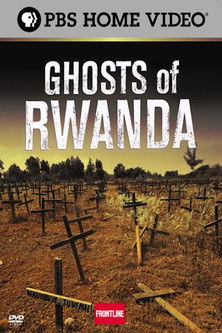
Ghosts of Rwanda marks the 10th anniversary of the Rwandan genocide with a documentary chronicling one of the worst atrocities of the 20th century. In addition to interviews with key government officials and diplomats, this documentary offers eyewitness accounts of the genocide from those who experienced it firsthand. FRONTLINE illustrates the failures that enabled the slaughter of 800,000 people to occur unchallenged by the global community.
2010
2014
2007
1985

2005
1998
2009
2012
No reviews yet. Be the first to share your thoughts on this movie!
Use the rating form above to leave a star rating and optional review.