
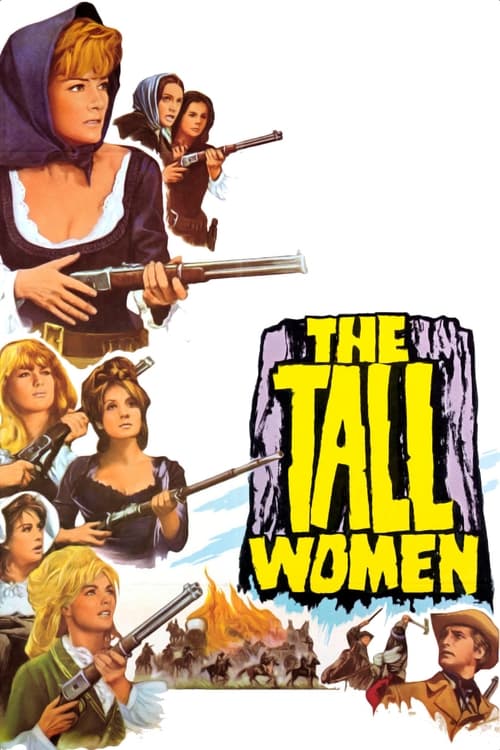
Westward the Women
1951
No user ratings available yet
Representation score: 2.0 out of 10
Representation Score
Limited
1966
NRDirector
Gianfranco Parolini, Sidney W. Pink, Rudolf Zehetgruber
Runtime
104 minutes
Average Rating
No ratings yetNew Showbiz Analysis
The film stands out for its subversion of traditional gender power dynamics. By placing seven women as the primary survivors and decision-makers, it moves away from the typical male-centric leadership found in Western genres. However, the film remains anchored to problematic social hierarchies of the 1960s. It depicts indigenous populations as a monolithic threat and lacks diverse cultural perspectives, limiting its progressive impact. Ultimately, it is a transitional work that gives real power to women while remaining tied to traditional racial and cultural frameworks.
Category Breakdown
The film does not include any characters with non-cisgender identities or same-sex relationships. It focuses on a traditional Western setting where queer characters are rarely seen.
The story centers on a female-led ensemble where women play primary roles as survivors and decision-makers. They demonstrate physical strength and tactical skills rather than passive femininity.
The Apache are portrayed as a central antagonistic force. This follows mid-century clichés by depicting indigenous populations as a systemic threat rather than offering nuanced portrayals.
The film operates within the frontier survival mythos. It emphasizes individual resilience against environmental threats without offering any significant cultural or institutional critique.
There are no specific details regarding the inclusion of characters with physical or neurodivergent disabilities in the narrative.
Present on Screen
Limited or Absent
Official Synopsis
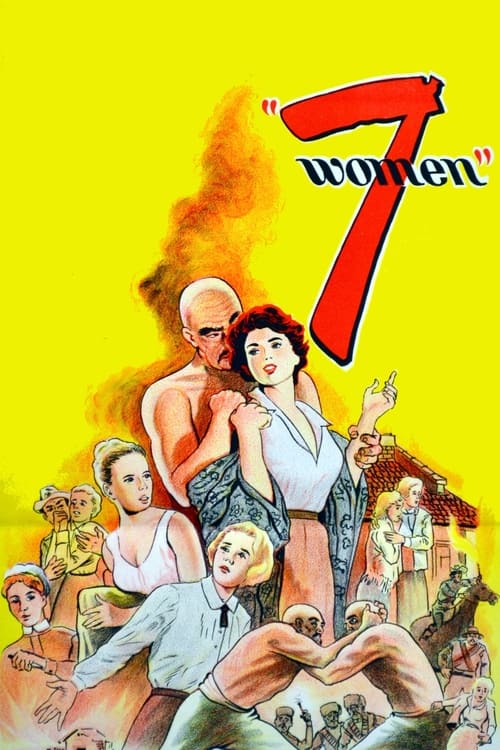
Seven women are the only survivors of an Apache attack on a wagon train. They must cross the desert on foot to escape the Indians who are hunting them.
1951

1970
1962
1960
1957

1971
1965

1965
No reviews yet. Be the first to share your thoughts on this movie!
Use the rating form above to leave a star rating and optional review.