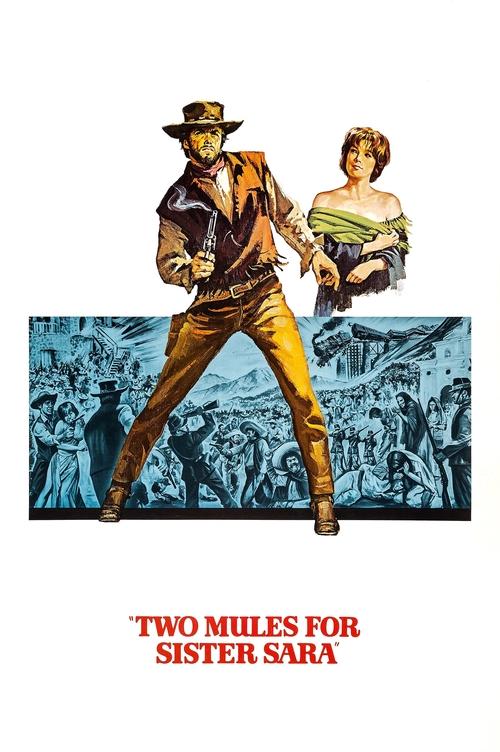
Two Mules for Sister Sara
1970
No user ratings available yet
Representation score: 3.7 out of 10

Representation Score
Good
1965
Not RatedDirector
Louis Malle
Runtime
120 minutes
Average Rating
No ratings yetNew Showbiz Analysis
Louis Malle’s film stands out as a bold departure from mid-century cinematic norms, especially concerning gender roles and authority. By positioning two women as central figures in a revolutionary movement, the film rejects traditional male-dominated narratives and instead emphasizes female leadership and autonomy. However, the film’s focus on European protagonists within a Mexican setting limits its exploration of diverse cultural identities. Despite this, the film effectively critiques institutional power structures using a nuanced moral framework, offering a sophisticated and unconventional adventure experience.
Category Breakdown
The film highlights a strong bond between Maria I and Maria II, suggesting a relationship that goes beyond traditional heterosexual norms. Their close friendship challenges conventional romantic storylines.
Women play key roles in driving the plot rather than being passive characters. The film breaks away from the damsel in distress cliché by showcasing independent and powerful female leaders.
Despite its Mexican setting, the film features a predominantly European cast. It misses the opportunity to explore the rich tapestry of Mexican identity and culture.
The film criticizes established power structures such as the Church and the military. It celebrates rebellion against traditional Western institutions, highlighting the quest for freedom and change.
There are no prominent depictions of physical or neurodivergent disabilities that serve as central narrative elements.
Present on Screen
Limited or Absent
Official Synopsis
1907 Central America: Maria II is the daughter of an Irish terrorist. After her father's death, she meets Maria I, a performer, and decides to stay with the circus, and on her debut as a singer, unintentionally invents the striptease and makes the circus famous. Their inadvertent encounter with a socialist revolutionary lands them leading a revolution against the dictator, the capitalists, and the Church.
1970
1968
1971
1964
1949
1971
1963
1961
No reviews yet. Be the first to share your thoughts on this movie!
Use the rating form above to leave a star rating and optional review.