A Man Called Horse
1970
No user ratings available yet
Representation score: 3.1 out of 10
Representation Score
Fair
1970
RDirector
Ralph Nelson
Runtime
115 minutes
Average Rating
No ratings yetNew Showbiz Analysis
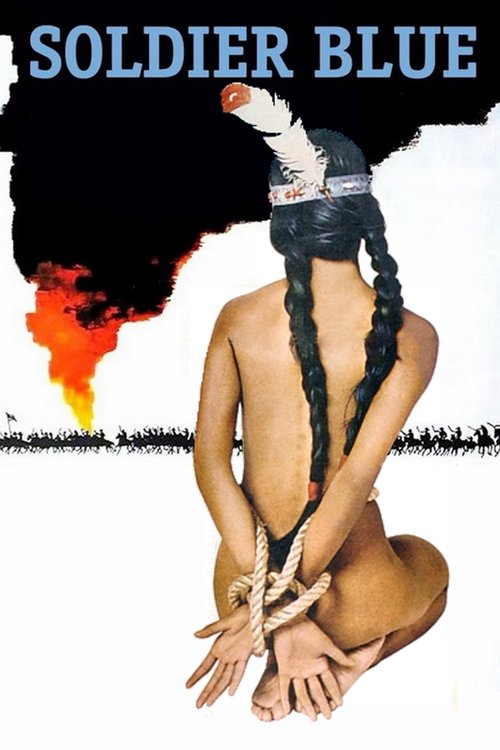
Soldier Blue stands out as a sophisticated piece of revisionist cinema that dismantles the romanticized myths of the American West. It replaces traditional genre clichés with a focus on psychological depth and moral ambiguity. The film's strength lies in its critique of institutional authority and its portrayal of the machinery of war as a source of decay. By centering a female character who bridges different cultures, the story challenges standard patriarchal and colonial hierarchies. However, the film remains limited by its adherence to conventional romantic structures and a lack of representation for LGBTQ+ identities or characters with disabilities.
Category Breakdown
The film does not include any LGBTQ+ characters or stories. The central tension revolves around the developing romantic relationship between the two main characters, following traditional romantic storylines.
Despite being heavily masculine, the film challenges the typical stoic soldier stereotype by showcasing the male protagonist's vulnerability. Cresta offers a crucial perspective by highlighting her unique role and influence within the military hierarchy.
The film deconstructs the 'civilized vs. savage' binary by portraying the Cheyenne as a multifaceted group. Cresta's integration into their culture challenges traditional colonial views and imperialist expansion.
The film critiques traditional Western institutions and nationalistic pride as corrupt. It frames frontier conflicts as morally ambiguous and traumatic events rather than righteous battles.
The film does not feature any significant depictions of physical or neurodivergent disabilities. There are no characters with disabilities that play a central role in the narrative.
Present on Screen
Limited or Absent
Official Synopsis
After a cavalry group is massacred by the Cheyenne, only two survivors remain: Honus, a naive private devoted to his duty, and Cresta, a young woman who had lived with the Cheyenne two years and whose sympathies lie more with them than with the US government. Together, they must try to reach the cavalry's main base camp. As they travel onward, Honus is torn between his growing affection for Cresta.
1970
1954
1993
1964
1975
1965
2017
1953
No reviews yet. Be the first to share your thoughts on this movie!
Use the rating form above to leave a star rating and optional review.