Dakota Incident
1956
No user ratings available yet
Representation score: 1.3 out of 10
Representation Score
Minimal
1962
ApprovedDirector
Earl Bellamy
Runtime
72 minutes
Average Rating
No ratings yetNew Showbiz Analysis
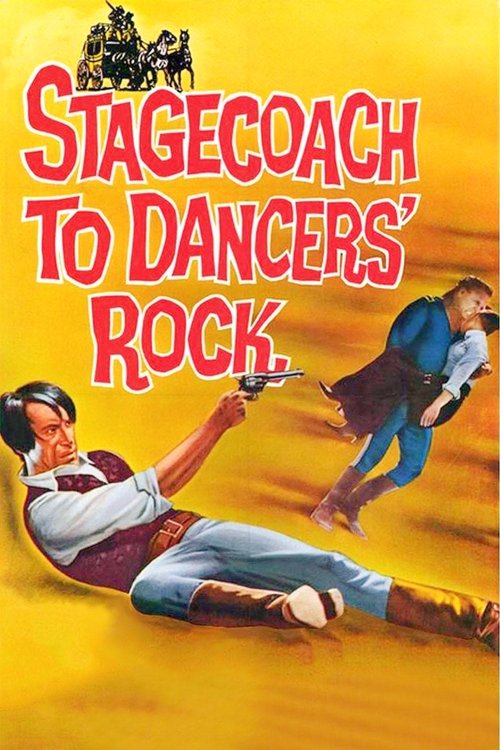
Stagecoach to Dancers' Rock is a conventional 1962 Western that adheres strictly to the genre clichés of its time. The film reinforces existing social hierarchies rather than challenging them, focusing on a survivalist narrative driven by traditional masculine leadership. The representation of underrepresented groups is minimal or relies on outdated archetypes. Indigenous populations are used as plot devices to create tension, while gender roles remain rigidly defined by patriarchal frontier norms. Ultimately, the film serves as a standard genre piece that upholds the cultural and social norms of mid-century American cinema.
Category Breakdown
The film follows a strict focus on straight relationships and does not include any queer subtexts or characters with diverse gender identities.
Male characters dominate decision-making and physical action. Female characters are confined to traditional roles and do not have the power to challenge patriarchal structures.
Indigenous peoples are portrayed mainly as external threats to the main characters. The film does not feature actors from diverse racial backgrounds in key roles.
The story emphasizes traditional Western values such as frontier justice and survival. It upholds the social and moral norms of the 1960s.
There are no prominent depictions of visible or invisible disabilities. Character struggles focus on environmental challenges like thirst and hunger rather than lived disability experiences.
Present on Screen
Limited or Absent
Official Synopsis
Five passengers in a stagecoach are abandoned by their driver in the desert. Trying to survive, they struggle with illness, thirst, hunger, and the threats posed both by one another and the local Indigenous peoples.
1956
1967
1957

1971
1958
1950
1956
1960
No reviews yet. Be the first to share your thoughts on this movie!
Use the rating form above to leave a star rating and optional review.