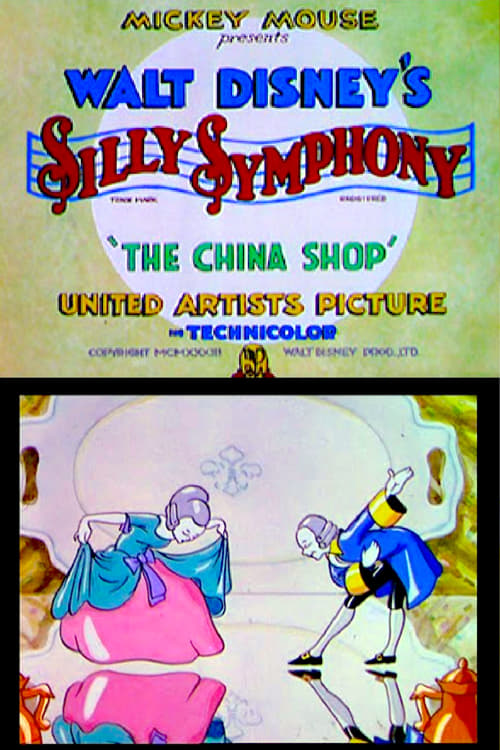
The China Shop
1934
No user ratings available yet
Diversity score: 2.4 out of 10
1934
NRDirector
Wilfred Jackson
Runtime
9 minutes
Average Rating
No ratings yetSynopsis
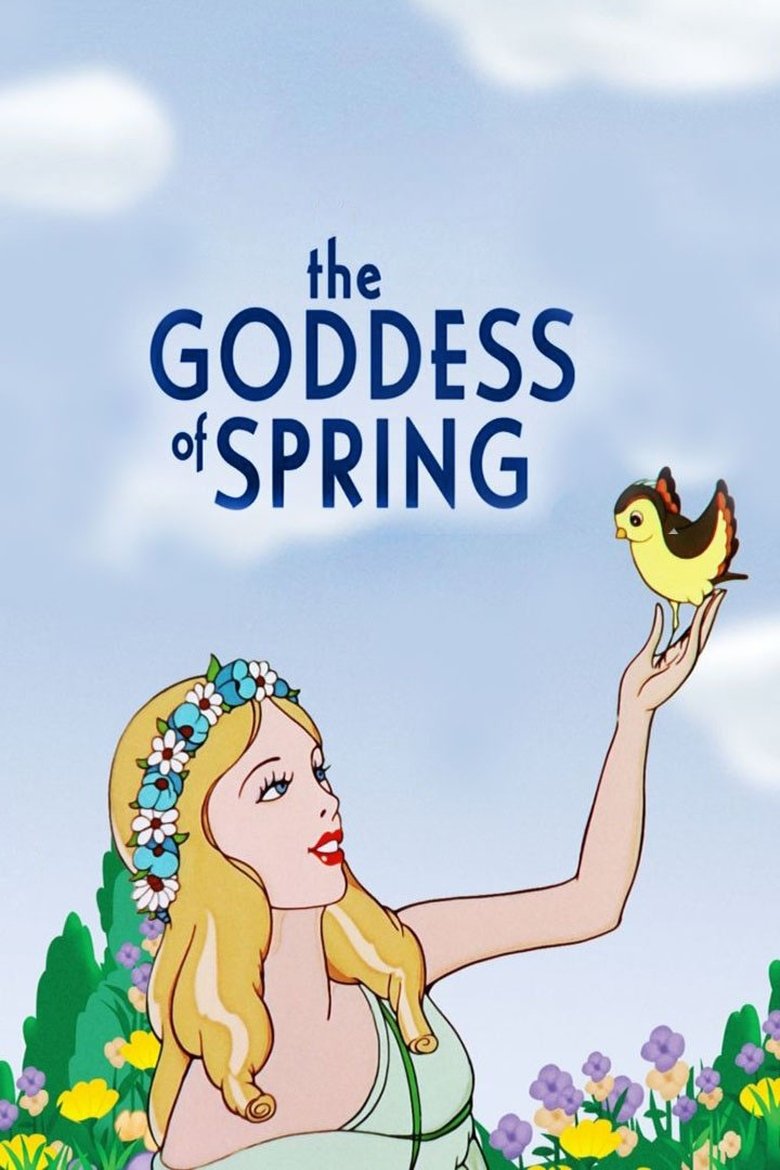
The goddess is greeted by dancing flowers and fairies. The devil comes and takes her away to be his queen. She's despondent, as winter settles in above ground. But the devil isn't happy either, and offers anything to make her happy. They reach an agreement: she'll spend six months above ground and six below. Thus we have seasons.
Overall Score
Limited
Category Breakdown
LGBTQ+ Representation
The narrative centers on a mythological duality between a goddess and a devil. There are no visible non-heteronormative identities or queer-coded character arcs present.
Gender Representation
The story relies on a gendered dichotomy where a male devil exerts influence over the goddess. While she negotiates a seasonal contract, the power dynamic remains centered on his actions.
Racial & Ethnic Diversity
The cast consists of elemental archetypes like fairies and deities. There is no indication of racial or ethnic diversity within this mythological framework.
Religious & Cultural Diversity
The film operates within a traditional moralistic framework of good versus evil. It functions as a seasonal myth rather than a critique of social or cultural institutions.
Disability Representation
The film provides no evidence regarding the depiction of physical or neurodivergent characters.
Strengths
Areas for Improvement
AI Analysis
The film serves as a traditional mythological allegory, utilizing elemental archetypes to explain the changing seasons. Its structure is rooted in early 20th-century dualistic morality, focusing on the tension between a goddess and a devil. Because the characters function as personifications of nature rather than human social identities, the work lacks intersectional complexity. The narrative follows established tropes of the era, prioritizing mythic storytelling over diverse social representation. Ultimately, the film is a product of its time, emphasizing seasonal cycles through a narrow, archetypal lens that lacks modern sociopolitical depth.
1934
1936
1933
1935

1936
1934
1934
1932

1931
No reviews yet. Be the first to share your thoughts on this movie!
Use the rating form above to leave a star rating and optional review.