
Mickey's Grand Opera
1936
No user ratings available yet
Representation score: 0.4 out of 10
Representation Score
Minimal
1933
NRDirector
Wilfred Jackson
Runtime
8 minutes
Average Rating
No ratings yetNew Showbiz Analysis
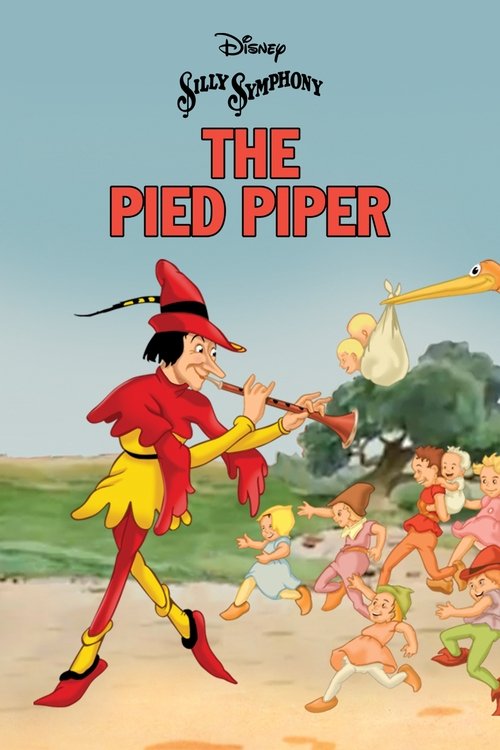
The Pied Piper (1933) is a classic folklore adaptation that emphasizes moral lessons over diverse representation. The narrative highlights the tension between personal freedom and collective obligations, particularly concerning broken promises and institutional failures. While the film lacks modern markers for race, gender, and LGBTQ+ identity, it offers a sophisticated critique of social structures. However, its limited scope of diverse perspectives affects its score by contemporary standards.
Category Breakdown
The film does not include any LGBTQ+ characters or stories. The plot revolves around the conflict between the Piper and the townspeople.
Gender roles adhere to early 20th-century stereotypes. Women play minor roles, and the central conflict is driven by male figures.
The setting portrays a uniform society with no evidence of racial diversity or non-Anglo-Saxon characters.
The narrative critiques Western social contracts and capitalism. It examines the erosion of communal ethics when citizens break their financial agreements.
There are no representations of physical or cognitive disabilities in the film.
Present on Screen
Limited or Absent
Official Synopsis
The people of Hamelin, overrun with rats, offer a bag of gold to anyone who can get rid of the rats. A piper offers to do the job, and successfully lures the rats into a mirage of cheese, which disappears. The citizens, disappointed that all he did was play a tune, offer only pocket change. The piper, angered, plays a new tune that has all the children of the city follow him, even the new twins the stork is preparing to deliver.
1936

1945
1980

1924

2003
1957
1949

1986
No reviews yet. Be the first to share your thoughts on this movie!
Use the rating form above to leave a star rating and optional review.