The Bears and Bees
1932
No user ratings available yet
Diversity score: 1.7 out of 10
1934
NRDirector
Wilfred Jackson
Runtime
8 minutes
Average Rating
No ratings yetSynopsis
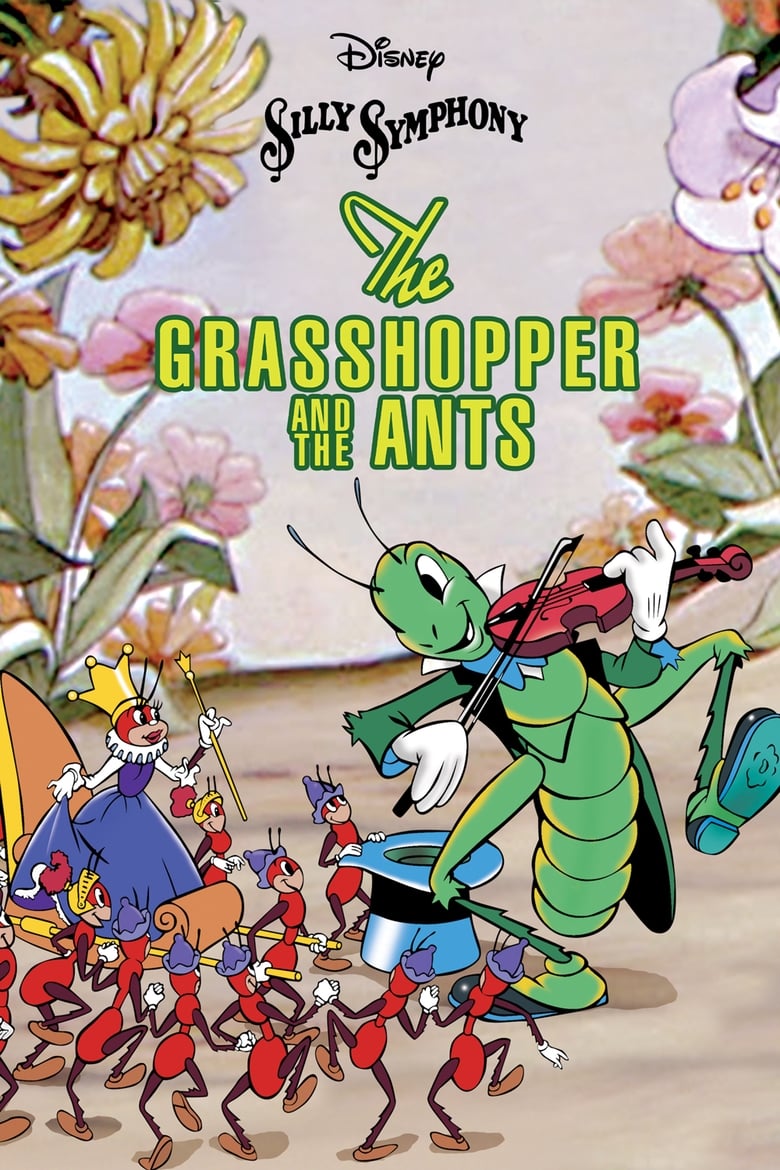
As in the classic fable, the grasshopper plays his fiddle and lives for the moment, while the industrious ants squirrel away massive amounts of food for the winter. With his song, he's able to convince at least one small ant until the queen arrives and scares him back to work. The queen warns the grasshopper of the trouble he'll be in, come winter. Winter comes, and the grasshopper, near starvation, stumbles across the ants, who are having a full-on feast in their snug little tree. They take him in and warm him up. The queen tells him only those who work can eat so he must play for them. Written by Jon Reeves
Overall Score
Minimal
Category Breakdown
LGBTQ+ Representation
The film lacks any depiction of non-heteronormative identities or queer subtext. Characters function as archetypes of industry and leisure without romantic narratives.
Gender Representation
A rigid hierarchy is established through the Ant Queen, who centralizes authority to enforce labor discipline. This role reinforces social order rather than exploring gendered agency.
Racial & Ethnic Diversity
The cast consists entirely of anthropomorphic insects in a homogeneous pastoral setting. There is no evidence of racial or ethnic complexity within this framework.
Religious & Cultural Diversity
The narrative reinforces traditional Western values regarding industriousness and personal responsibility. It promotes a singular moral framework centered on the necessity of labor for survival.
Disability Representation
No characters are depicted with physical, sensory, or neurodivergent disabilities. Characters are defined solely by their adherence to the seasonal labor cycle.
Strengths
Areas for Improvement
AI Analysis
This 1934 animated short functions as a didactic fable designed to uphold conventional social norms. The narrative architecture prioritizes moral certainty and the reinforcement of established hierarchies over any form of social diversity. The film relies on a singular, traditionalist worldview where characters serve as vessels for lessons on work ethic and community preparation. By centering the story on the consequences of procrastination, it celebrates resource accumulation and adherence to social roles. Ultimately, the work offers no disruption to cultural expectations, instead providing a quintessential example of traditionalist storytelling through its anthropomorphic insect cast.
1932
1948
1936
1935
1934
1933
1934

1934
1933
1936
1932

1937
No reviews yet. Be the first to share your thoughts on this movie!
Use the rating form above to leave a star rating and optional review.