Mickey's Revue
1932
No user ratings available yet
Representation score: 0.4 out of 10
Representation Score
Minimal
1936
NRDirector
Wilfred Jackson
Runtime
8 minutes
Average Rating
No ratings yetNew Showbiz Analysis
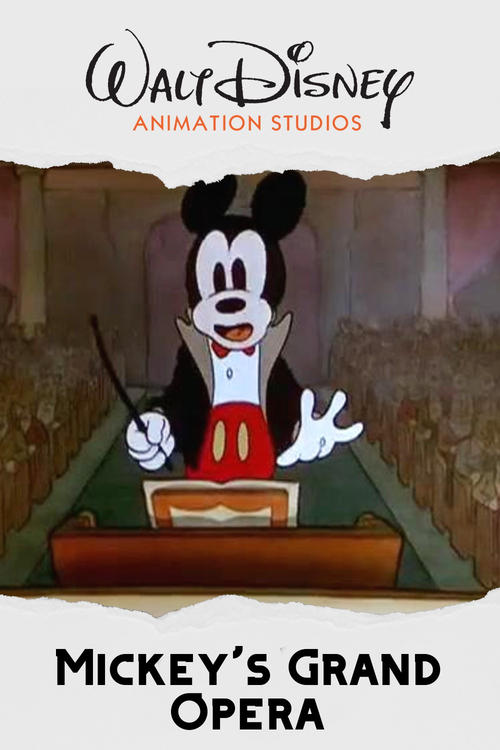
Mickey's Grand Opera showcases impressive technical achievements in musical synchronization while staying true to the social norms of 1936. The film leans heavily on dominant cultural perspectives, reinforcing rigid social hierarchies and cultural caricatures. The content prioritizes slapstick comedy over meaningful representation, leaving underrepresented groups without acknowledgment in its pursuit of musical parody.
Category Breakdown
The film adheres to traditional heterosexual and cisgender norms, focusing on conventional romantic relationships without any representation of LGBTQ+ identities.
Women in the film, such as Clarabelle Cow, are portrayed primarily through musical performance or romantic interests, lacking any significant role in driving the plot.
The movie uses exaggerated stereotypes of Japanese culture, emphasizing Western comedic clichés over authentic cultural representation.
The film celebrates Western musical traditions through caricature, reinforcing feudal and monarchical structures without challenging these social norms.
There are no visible representations of physical or neurodivergent disabilities. Characters are typical animated figures without addressing the complexities of lived disability.
Present on Screen
Limited or Absent
Official Synopsis
Mickey is preparing to conduct an opera when he chases Pluto away. Pluto crashes into a magician's props backstage and spars with the hat, its rabbits, and its doves. The opera begins: Clarabelle plays flute, Clara and Donald are the leads in Romeo and Juliet. Pluto follows the magic hat onstage, to Mickey's growing annoyance. The hat falls into a tuba, and soon the animals are filling the stage.
1932
1931

1937
1931

1929
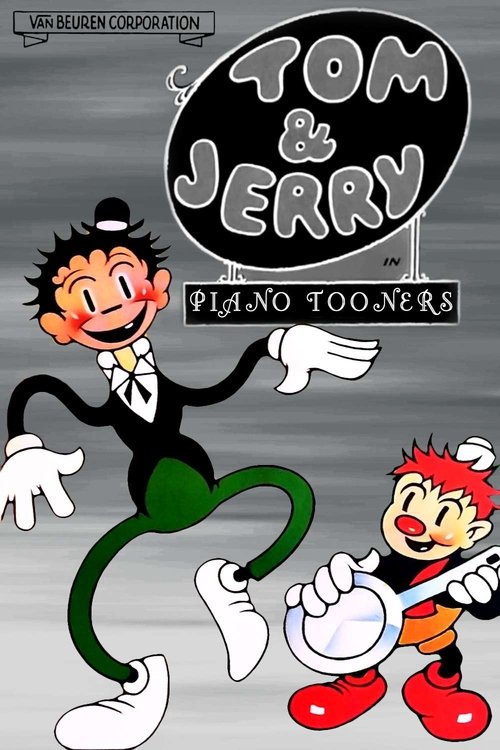
1932
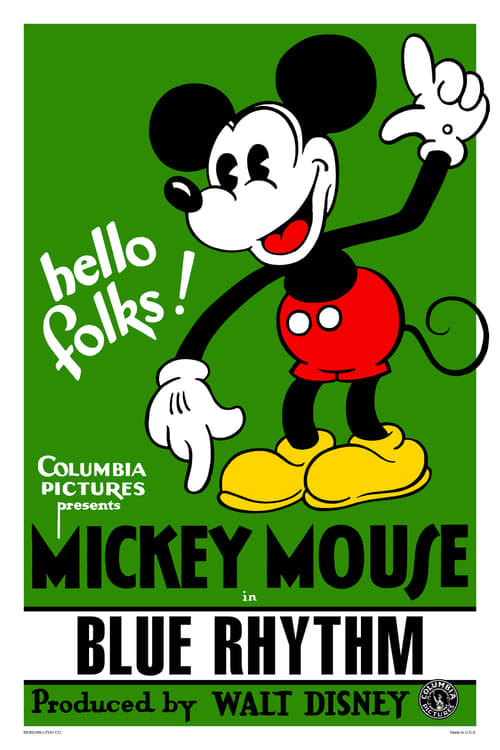
1931
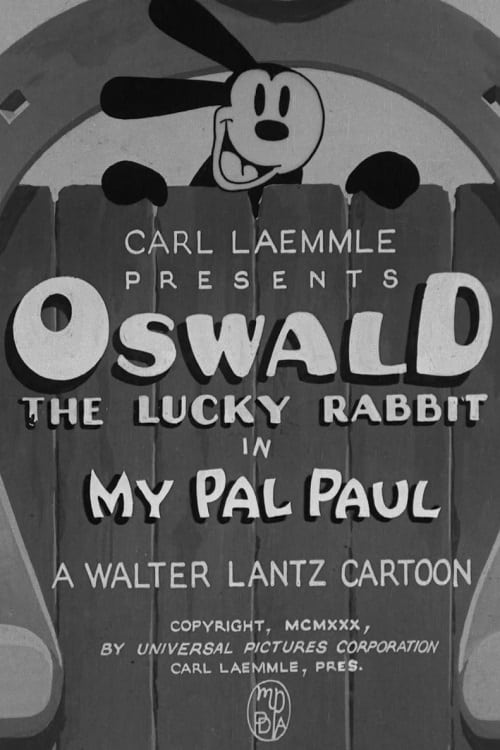
1930
No reviews yet. Be the first to share your thoughts on this movie!
Use the rating form above to leave a star rating and optional review.