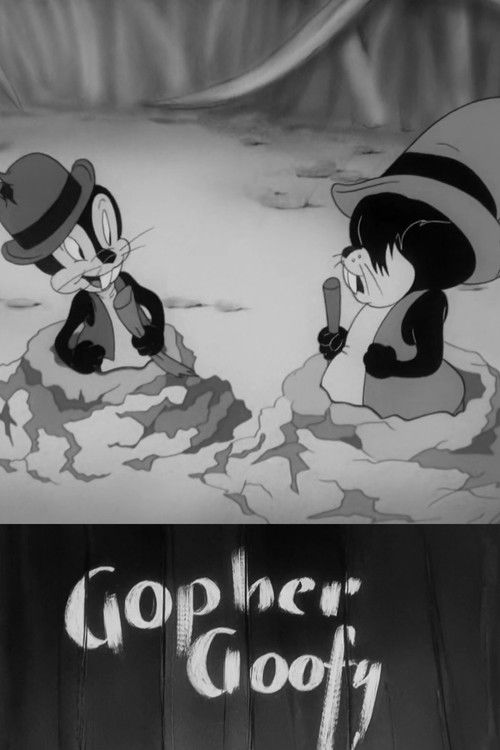
Gopher Goofy
1942
No user ratings available yet
Representation score: 2.7 out of 10
Representation Score
Minimal
1935
NRDirector
Wilfred Jackson
Runtime
9 minutes
Average Rating
No ratings yetNew Showbiz Analysis
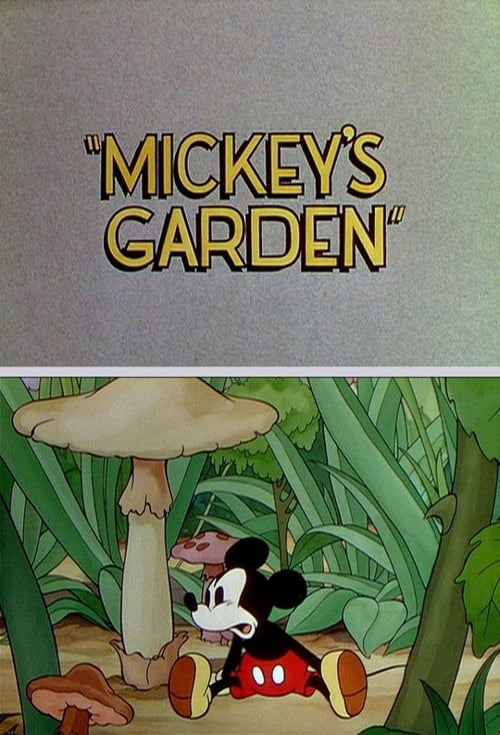
Mickey's Garden is rooted in the slapstick traditions of 1935, emphasizing physical comedy over social complexity. The narrative is narrow, focusing on Mickey's battle against garden pests. The film lacks demographic diversity, offering no representation of different genders, races, or identities. It adheres to the era's standard of homogeneous storytelling.
Category Breakdown
The story focuses solely on a conflict between Mickey and various insects. There are no LGBTQ+ characters or exploration of non-cisgender identities.
The film centers on Mickey Mouse as a dominant male protagonist. It lacks female characters or any subversion of traditional gender roles.
The story features a homogeneous set of anthropomorphic animals and insects. It offers no engagement with multiculturalism or racial diversity.
The plot reinforces a traditional Western view of man versus nature through the struggle to maintain a garden. It lacks diverse cultural or institutional themes.
Mickey's disorientation from the insecticide serves as a surreal comedic device. It does not provide a meaningful portrayal of lived experience with disability.
Present on Screen
Limited or Absent
Official Synopsis
The insects have completely taken over Mickey's garden. He spritzes them with insecticide, but runs out and they keep feasting. He mixes a new batch. Meanwhile, Pluto stalks a bug and gets his head stick in a pumpkin. He stumbles around and bumps into Mickey and the sprayer, giving Mickey a faceful of bug juice. He awakens to a warped reality, where the bugs and plants are giant sized, and the bugs get drunk on the insecticide and chase our heroes. Mickey recovers from his nightmare, discovering the giant worm he was wrestling was the hose.
1942
1932
1931
1933
1933
1950

1972
1948
No reviews yet. Be the first to share your thoughts on this movie!
Use the rating form above to leave a star rating and optional review.