
The Silver Fleet
1943
No user ratings available yet
Diversity score: 2.8 out of 10
1993
Director
Hans Petter Moland
Runtime
102 minutes
Average Rating
No ratings yetSynopsis
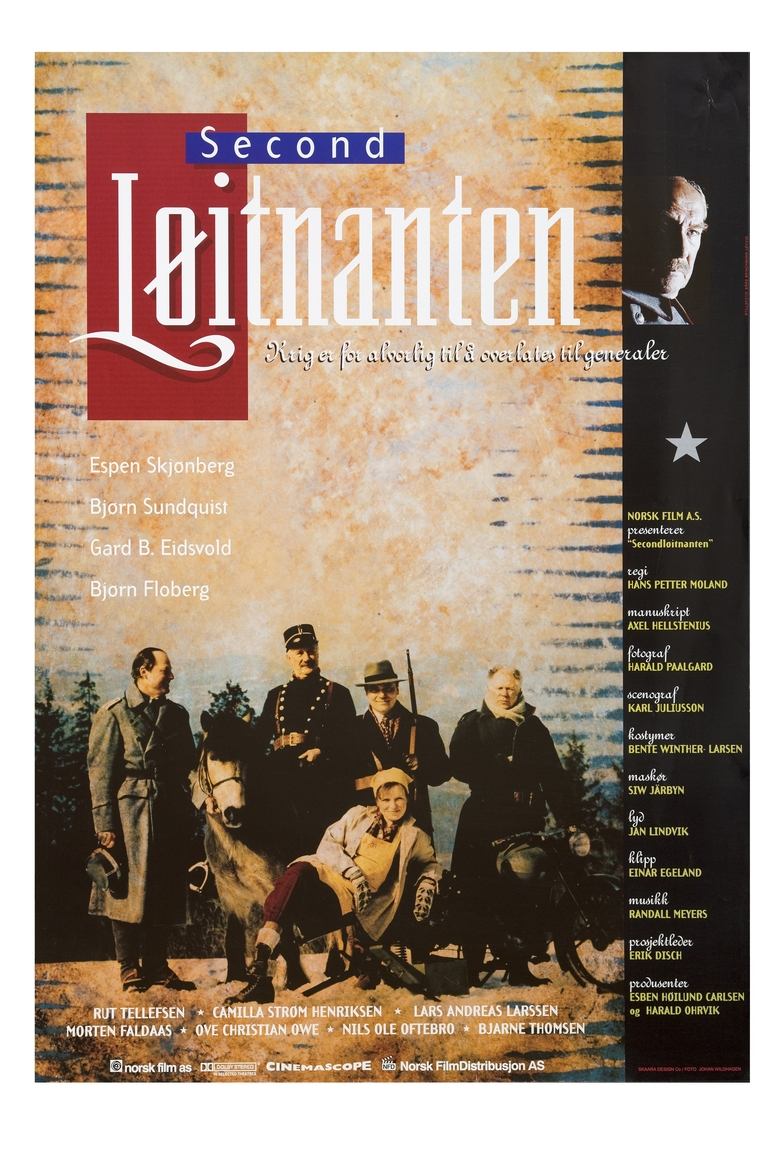
Norwegian war drama. The old sea-captain retires, but the next day German WWII occupation of Norway begins. He then kisses his wife good-bye and is off to Army HQ. There he finds a lack of leadership and morale that offends him. They even laugh at him and his out-dated uniform and officer-rank. Secondloitnanten then finds and leads his private troop of volunteers against the German attack. The movie tells the story of a man that refuses to give up, even when everybody else leaves. He will fight for the country he loves and do his duty.
Overall Score
Limited
Category Breakdown
LGBTQ+ Representation
The film lacks LGBTQ+ characters or narratives that challenge heteronormativity. It adheres to the social constraints of the WWII era and 1990s cinematic conventions.
Gender Representation
The story centers on a traditional masculine archetype driven by duty. Female characters are relegated to domestic roles, such as the wife receiving a goodbye kiss.
Racial & Ethnic Diversity
The narrative focuses on a localized European conflict during the German occupation. The cast appears ethnically homogeneous, reflecting the demographic realities of 1940s Norway.
Religious & Cultural Diversity
The film explores the tension between an individual and a failing institution. It frames the protagonist's struggle as a matter of patriotism and national identity.
Disability Representation
There is no information available regarding characters with physical or neurodivergent disabilities.
Strengths
Areas for Improvement
AI Analysis
The film is a traditional period drama that prioritizes historical realism and the archetypal heroic individual. It functions within conventional social frameworks, focusing on duty and patriotism rather than intersectional storytelling. The narrative relies on established hierarchies and traditional roles. The protagonist's struggle is defined by his refusal to abandon his post, emphasizing individual agency against systemic incompetence during wartime. Because the film reflects the specific demographic and social realities of 1940s Norway, it lacks contemporary identity-based frameworks or diverse representation.
1943

2009

1989

2009
1943

2012

2002
1962

1943
1943

1962
1980
No reviews yet. Be the first to share your thoughts on this movie!
Use the rating form above to leave a star rating and optional review.