
The Proud and the Beautiful
1953
No user ratings available yet
Diversity score: 2.5 out of 10

1949
NRDirector
Jacques Tourneur
Runtime
77 minutes
Average Rating
No ratings yetSynopsis
A football halfback has a heart condition, a nagging wife and a team secretary who loves him.
Overall Score
Limited
Category Breakdown
LGBTQ+ Representation
The film adheres strictly to heteronormative romantic structures. There are no depictions of non-cisnormative identities or same-sex intimacy, following traditional courtship tropes.
Gender Representation
Rosalind Russell’s lead character provides a notable subversion of gender hierarchies. Her wealthy, assertive persona offers agency that challenges the submissive female archetypes common in period dramas.
Racial & Ethnic Diversity
The ensemble is primarily white, reflecting the homogeneous social landscape of 1949 Hollywood. There is an absence of meaningful representation for non-Anglo-Saxon identities.
Religious & Cultural Diversity
The narrative reinforces traditional Western socioeconomic structures and capitalist stability. It functions as an escapist piece that celebrates high-society life rather than critiquing social institutions.
Disability Representation
A character's heart condition serves primarily as a narrative catalyst. The film lacks a nuanced exploration of disability or characters with significant agency regarding their conditions.
Strengths
Areas for Improvement
AI Analysis
Easy Living is a quintessential mid-century studio production that balances progressive gender dynamics against rigid social hierarchies. While the film offers a refreshing glimpse into female agency, it remains deeply anchored in the era's standard norms regarding race and sexuality. The central strength lies in its subversion of female passivity, yet the film fails to provide any meaningful representation of diverse racial or LGBTQ+ identities. It functions more as a study of social status and romantic whimsy than a tool for systemic disruption.
1953
1952
1947
1946

1946
1961
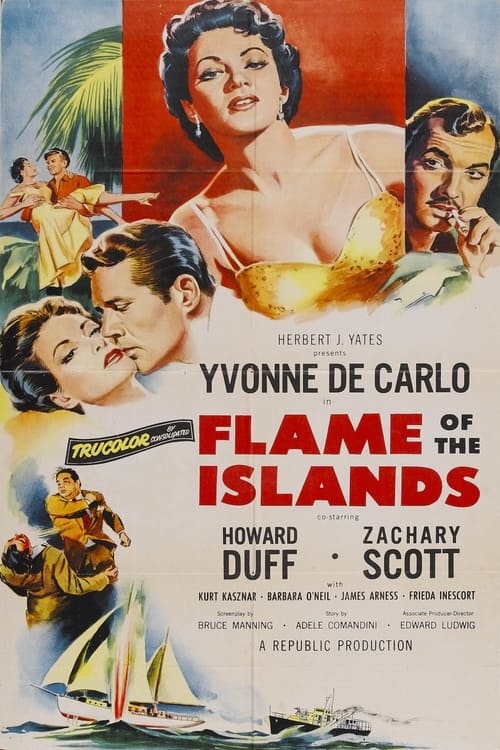
1955
1944

1950
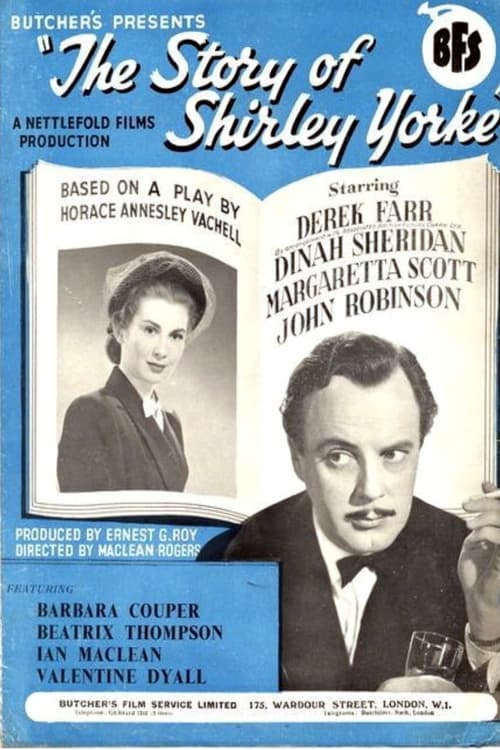
1949
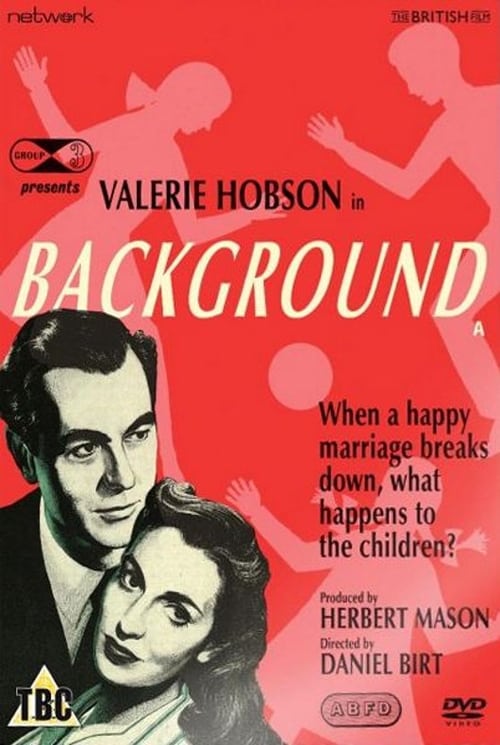
1953
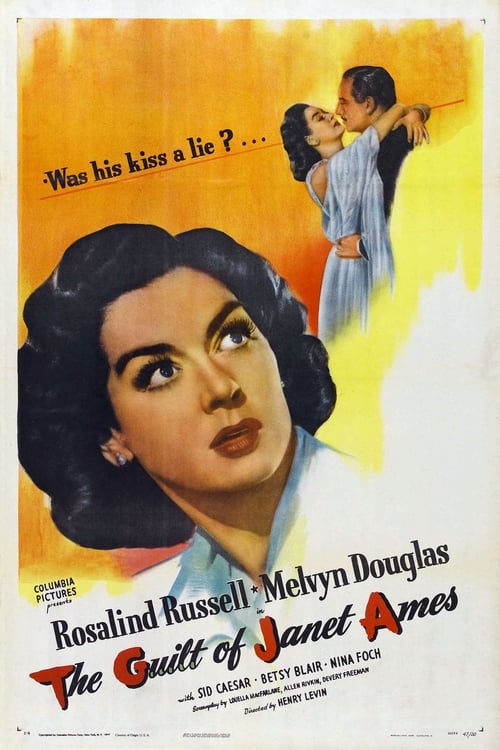
1947
No reviews yet. Be the first to share your thoughts on this movie!
Use the rating form above to leave a star rating and optional review.