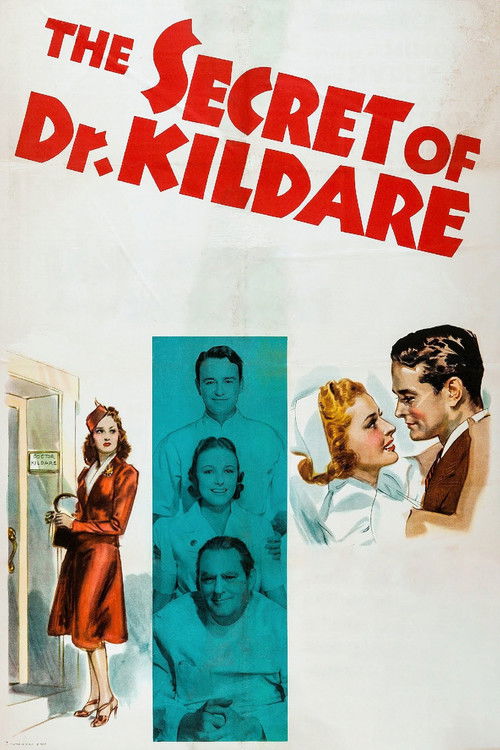
The Secret of Dr. Kildare
1939
No user ratings available yet
Representation score: 2.2 out of 10

Representation Score
Minimal
1940
NRDirector
Harold S. Bucquet
Runtime
79 minutes
Average Rating
No ratings yetNew Showbiz Analysis
Dr. Kildare Goes Home is a quintessential MGM studio production that prioritizes moral clarity and conventional storytelling. The film functions as a stabilizing narrative, reinforcing the social and professional hierarchies of the mid-century era rather than challenging them. The production adheres to the era's standard of homogeneity, with a predominantly white cast and a focus on traditional Western values. Gender roles are strictly defined, with the male lead driving the professional plot while women occupy supporting or domestic roles. Ultimately, the film upholds the status quo of its time, emphasizing professional duty and the stability of the family unit within a traditional social framework.
Category Breakdown
The film operates within a framework that assumes everyone is straight or cisgender. There is no representation of LGBTQ+ identities or same-sex relationships.
The narrative centers around the male protagonist, who drives the story. Female characters primarily serve as romantic interests or support staff within domestic or emotional roles.
The cast is predominantly white, reflecting the homogeneous casting of the era. The small-town setting lacks racial or ethnic diversity.
The story reinforces traditional Western institutions and professional authority. It emphasizes family stability and adherence to established social hierarchies.
Illness and physical vulnerability serve as clinical obstacles for the protagonist. Characters with disabilities lack independent ability to act, acting mostly as subjects of medical intervention.
Present on Screen
Limited or Absent
Official Synopsis
A young doctor gives up big-city success to help his father set up a small-town clinic.
1939
1965
1938

1930
1939

2016
1945

1941
No reviews yet. Be the first to share your thoughts on this movie!
Use the rating form above to leave a star rating and optional review.