The Miracle of the Bells
1948
No user ratings available yet
Diversity score: 1.4 out of 10
1950
ApprovedDirector
Rudolph Maté
Runtime
88 minutes
Average Rating
No ratings yetSynopsis
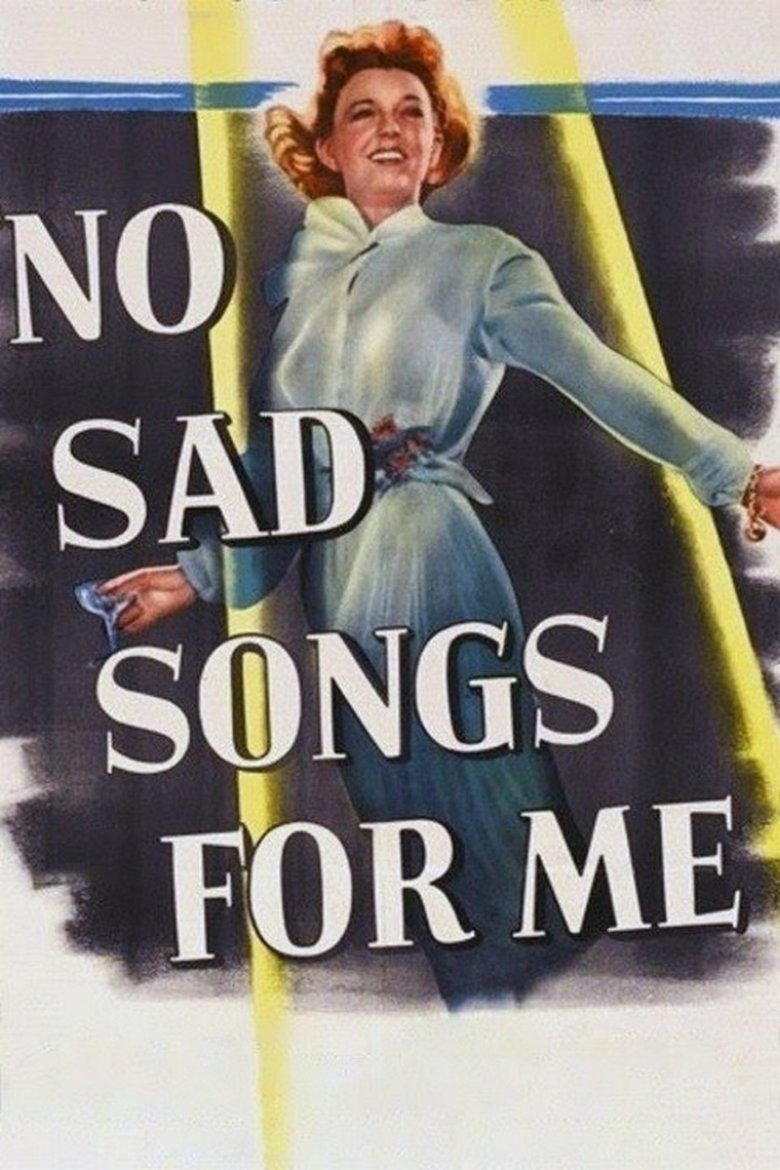
Mary Scott learns she only has ten months to live before dying of an incurable disease. She manages to keep the news from her husband, Brad and daughter, Polly. She tries to make every moment of her life count, but her effort is weakened by the discovery that Brad is interested in his assistant, Chris Radner. But when she learns that Brad does indeed love her and not Chris, and that Chris is leaving town, she realizes what she must do to ensure the future happiness of Brad and Polly. She persuades Chris to stay, makes a genuine friend of her and watches Polly grow towards Chris.
Overall Score
Minimal
Category Breakdown
LGBTQ+ Representation
The film lacks any depiction of non-cisnormative identities or same-sex intimacy. Romantic tensions are strictly framed within heteronormative structures, centering on the marital bond.
Gender Representation
Mary Scott demonstrates psychological strength while navigating a terminal diagnosis. However, her agency is channeled into reinforcing traditional domestic roles and feminine self-sacrifice.
Racial & Ethnic Diversity
The production utilizes a predominantly white cast within a homogeneous social setting. There is no evidence of characters of color with significant narrative agency.
Religious & Cultural Diversity
The narrative reinforces traditional Western values and the sanctity of the nuclear family. It celebrates the endurance of the family unit rather than critiquing social institutions.
Disability Representation
A terminal illness drives the plot but serves primarily as a catalyst for emotional stakes. The film avoids a nuanced exploration of disability identity or chronic illness.
Strengths
Areas for Improvement
AI Analysis
No Sad Songs for Me is a quintessential mid-century melodrama that prioritizes domestic stability and familial duty. The narrative architecture is designed to uphold the social and moral status quo of its era. The film focuses on the emotional labor of a female protagonist whose strength is expressed through self-sacrifice to preserve the nuclear family. This reinforces traditional hierarchies rather than challenging them. Ultimately, the film functions as a reflection of 1950s social norms, offering little room for intersectional exploration or the disruption of conventional social structures.
1948
1951
1939

1952
1949

1946

1930
1946
1952
1949

1953

1954
No reviews yet. Be the first to share your thoughts on this movie!
Use the rating form above to leave a star rating and optional review.