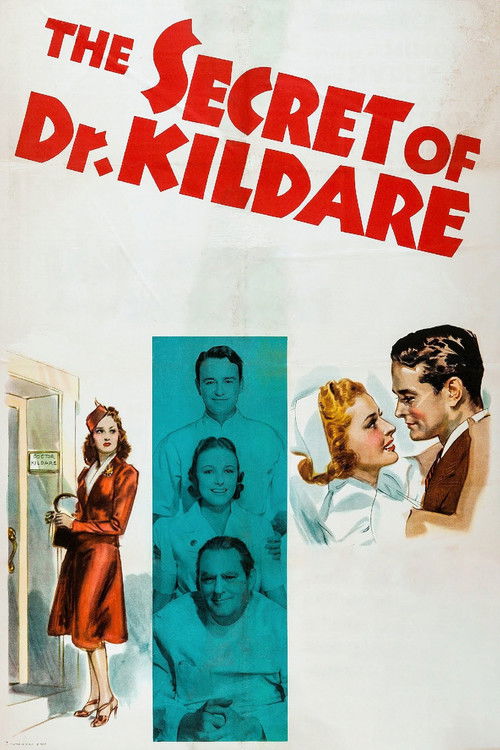
The Secret of Dr. Kildare
1939
No user ratings available yet
Representation score: 2.2 out of 10
Representation Score
Limited
1939
NRDirector
Harold S. Bucquet
Runtime
86 minutes
Average Rating
No ratings yetNew Showbiz Analysis
Calling Dr. Kildare is a classic product of the late 1930s studio system, emphasizing institutional stability and clear moral frameworks. The film reinforces established social hierarchies rather than challenging them, focusing on professional decorum and traditional authority. Representation is minimal across the board. The narrative centers on a white-centric, traditional medical world where gender roles are strictly defined by supportive female characters and authoritative male doctors. Diversity is not a narrative priority. Ultimately, the film affirms the era's social order. It presents morality as objective and focuses on personal integrity within existing systems rather than exploring multi-layered identities or systemic challenges.
Category Breakdown
The film does not include any LGBTQ+ identities or queer subtext. Romantic relationships are portrayed traditionally between the male lead and a female nurse.
Female characters such as Mary Lamont play supportive, nurturing roles within the medical setting. Narrative momentum is driven by male professionals, emphasizing traditional masculine authority and leadership.
The cast is predominantly white, reflecting a professional class without diversity. There is no evidence of diverse casting or characters challenging the social status quo.
The story upholds traditional Western institutions and the importance of the medical establishment. It emphasizes professional ethics and hierarchical mentorship over systemic critiques.
Physical trauma and medical crises serve as plot catalysts to test the protagonist's skills. Characters with disabilities have limited independence, functioning mainly as subjects of medical intervention.
Present on Screen
Limited or Absent
Official Synopsis
Following an argument with his young protege, the curmudgeonly Dr. Gillespie dumps Jimmy Kildare in a street clinic, hoping to teach him a lesson. While working there Kildare meets pretty nurse Mary Lamont, and ends up treating a hoodlum with a gunshot wound. He purposely fails to write a report on it, and soon finds himself in a heap of trouble. Who else would come to his rescue but good old Dr. Gillespie?
1939
1938
1940
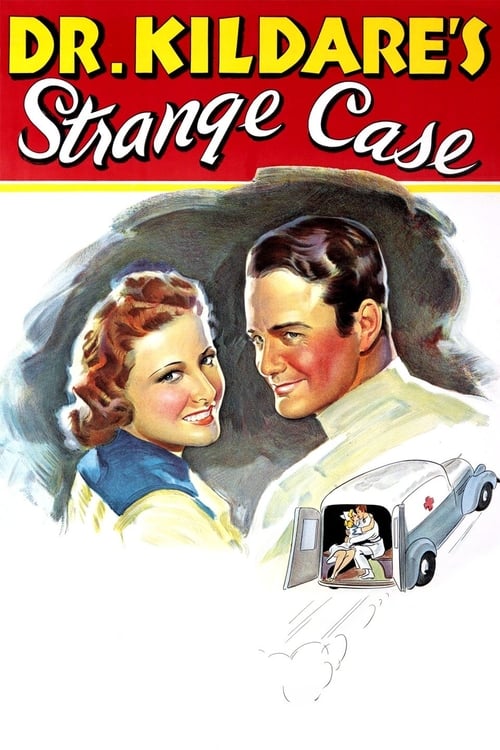
1940
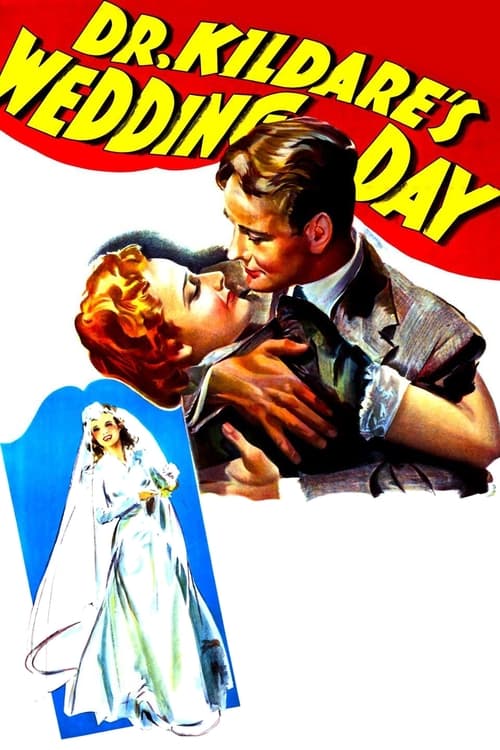
1941
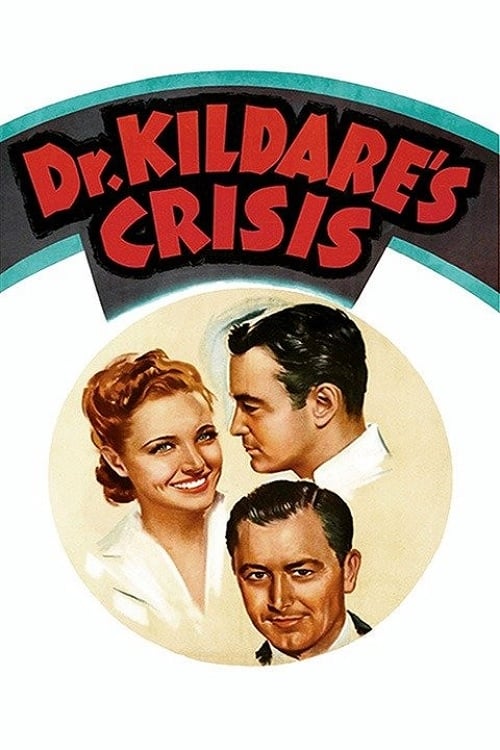
1940
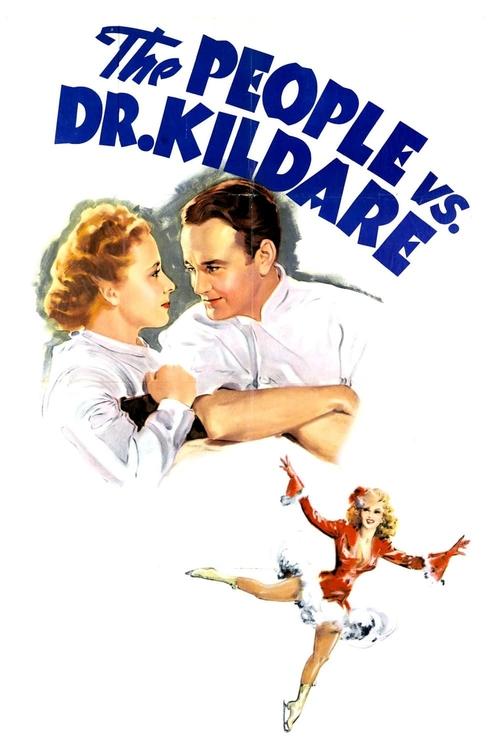
1941
1934
No reviews yet. Be the first to share your thoughts on this movie!
Use the rating form above to leave a star rating and optional review.