
Split Cherry Tree
1982
No user ratings available yet
Diversity score: 4.4 out of 10
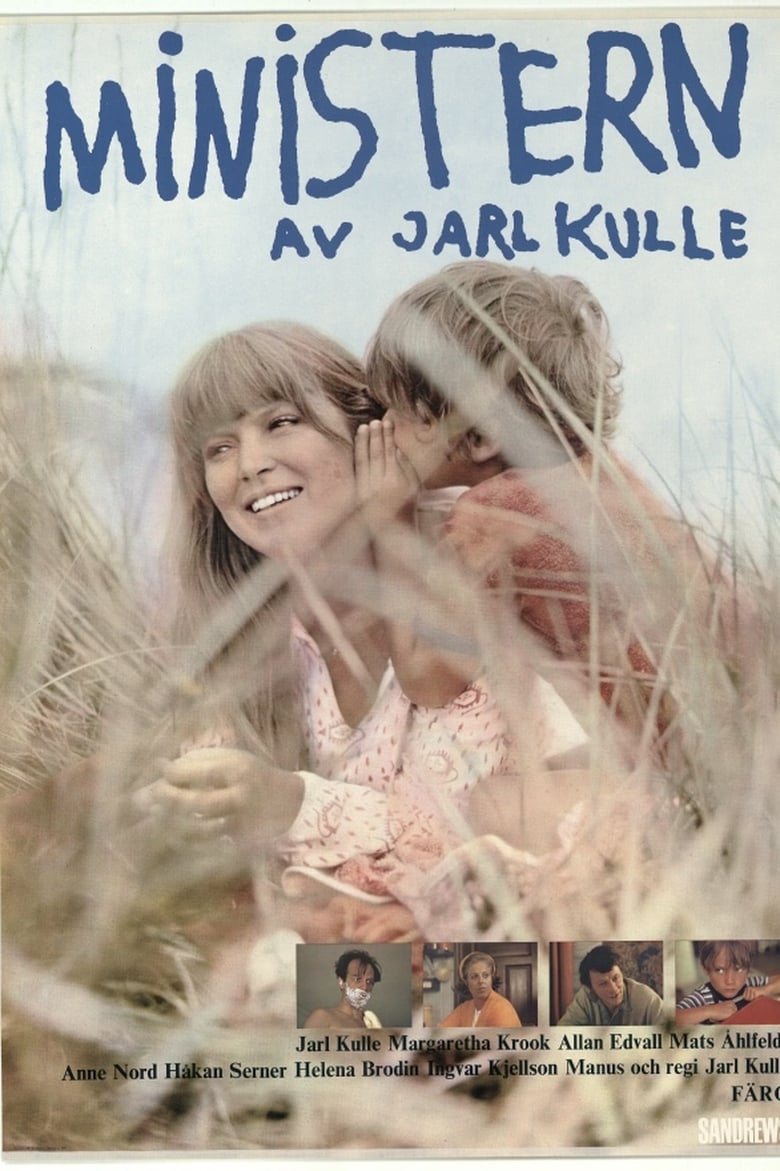
1970
PGDirector
Jarl Kulle
Runtime
100 minutes
Average Rating
No ratings yetSynopsis
A film that questions the right of parents to force their children into the adult world's rational behavior. A 6-year-old revolt by going to a lawyer and ask for a divorce from their parents.
Overall Score
Fair
Category Breakdown
LGBTQ+ Representation
The film contains no evidence of LGBTQ+ characters or narratives. It does not address non-heteronormative identities.
Gender Representation
The narrative subverts traditional hierarchies by centering a child's agency against parental authority. This disrupts conventional power dynamics where adults typically dictate reality.
Racial & Ethnic Diversity
There is no information regarding the racial composition of the cast. The focus on 1970s domestic structures suggests a lack of visible intersectional diversity.
Religious & Cultural Diversity
The film offers a strong critique of Western institutions and the traditional family unit. It frames established social structures as potentially oppressive to individual agency.
Disability Representation
The film provides no specific details regarding physical disabilities or neurodivergence.
Strengths
Areas for Improvement
AI Analysis
Good-Bye Nana is a psychological drama that prioritizes the deconstruction of social structures over standard genre tropes. Its primary strength lies in its narrative architecture, which uses a child's legal revolt to challenge the sanctity of the nuclear family and adult-imposed rationality. However, the film lacks meaningful representation in terms of race, ethnicity, and sexual orientation. The absence of these perspectives limits its intersectional depth, leaving the social critique focused almost exclusively on the domestic sphere. Ultimately, the film functions as a sophisticated critique of 1970s social norms. It succeeds by positioning the individual against systemic authority, even if it fails to provide a diverse cast of characters.
1982
1972
1957
2019
1964
1960
1971

1976
1971
1980

1991
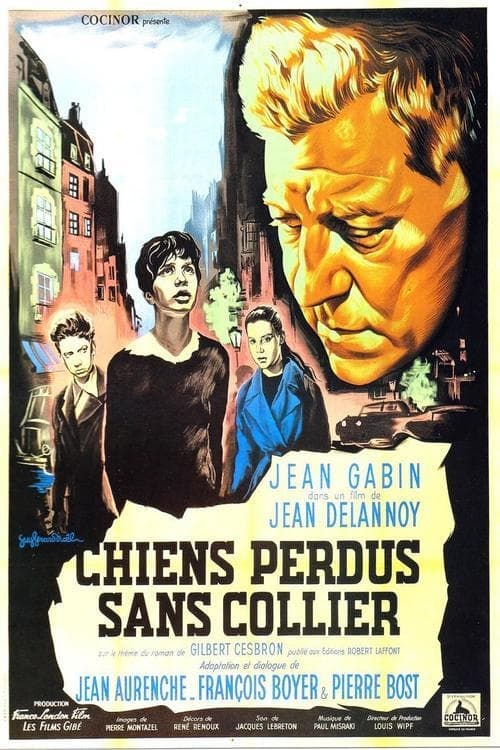
1955
No reviews yet. Be the first to share your thoughts on this movie!
Use the rating form above to leave a star rating and optional review.