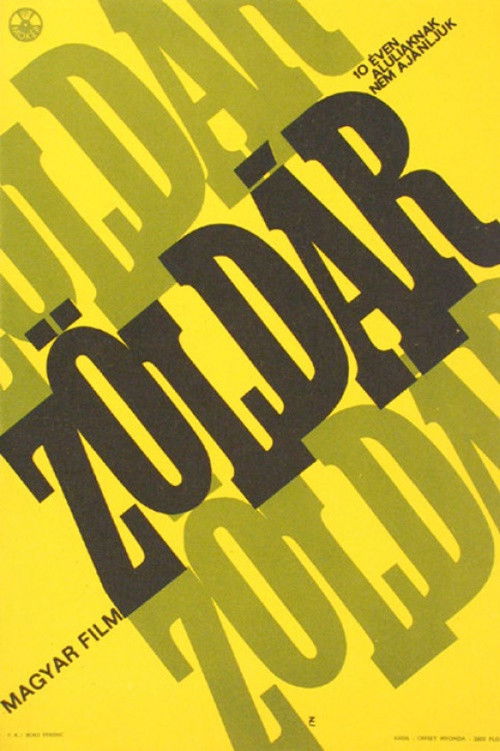
Green Years
1965
No user ratings available yet
Representation score: 2.2 out of 10
Representation Score
Limited
1960
Director
László Ranódy
Runtime
95 minutes
Average Rating
No ratings yetNew Showbiz Analysis
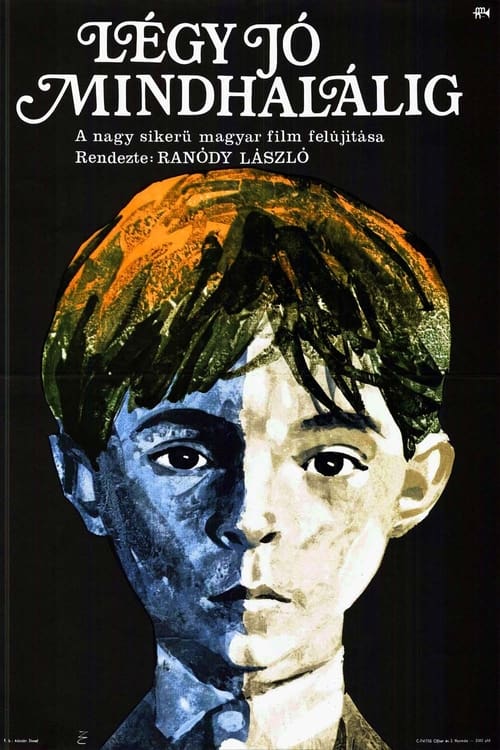
Be Good All Your Life is a traditional period drama centered on a coming-of-age story. It emphasizes a localized character study within a structured environment, avoiding disruption of social hierarchies. The film reflects the historical and geographical context of 1960s Hungary. Its narrative is built around the internal growth of a protagonist navigating established social structures. Overall, the film serves as a reflection of its era. It lacks diverse representation and systemic challenges to move beyond a typical historical drama.
Category Breakdown
The film does not include any queer narratives or non-straight identities. It seems to follow the social norms of 1960s Hungary.
The story focuses on the development of a sensitive schoolboy. While his sensitivity might challenge traditional masculinity, the film does not significantly question gender roles.
The setting is a Hungarian boarding school. The cast appears ethnically uniform, reflecting the demographics of the time and place.
The narrative explores the strict discipline within an established school. It may critique the rigid structure of traditional education through the lens of social realism.
There is no evidence of characters with physical or neurodivergent disabilities.
Present on Screen
Limited or Absent
Official Synopsis
A moving story of a bright and sensitive schoolboy growing up in an old, established boarding school in the city of Debrecen in eastern Hungary.
1965
1969
2004
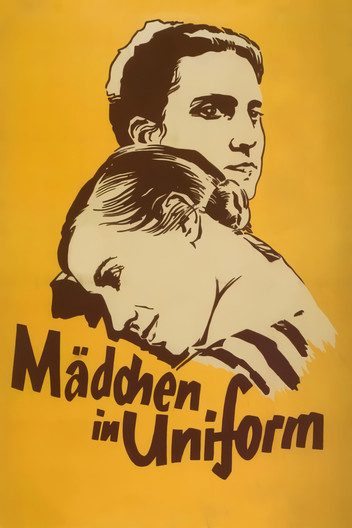
1931
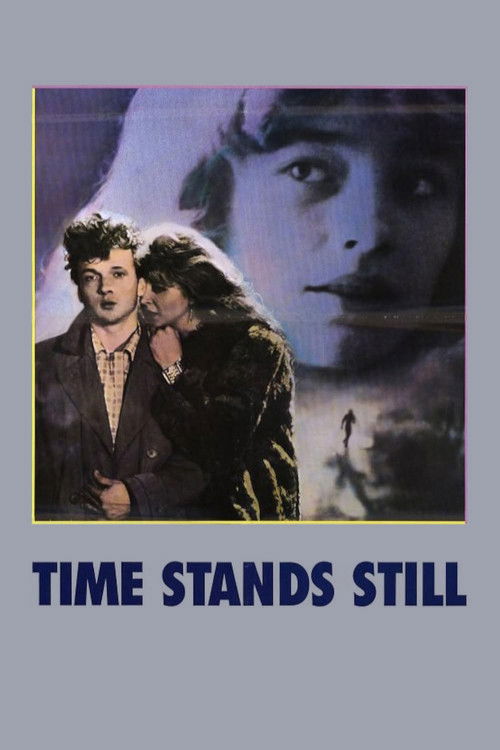
1982
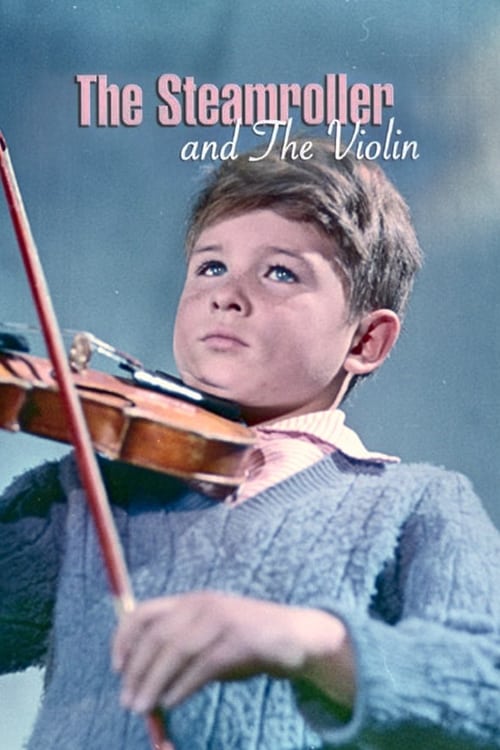
1961
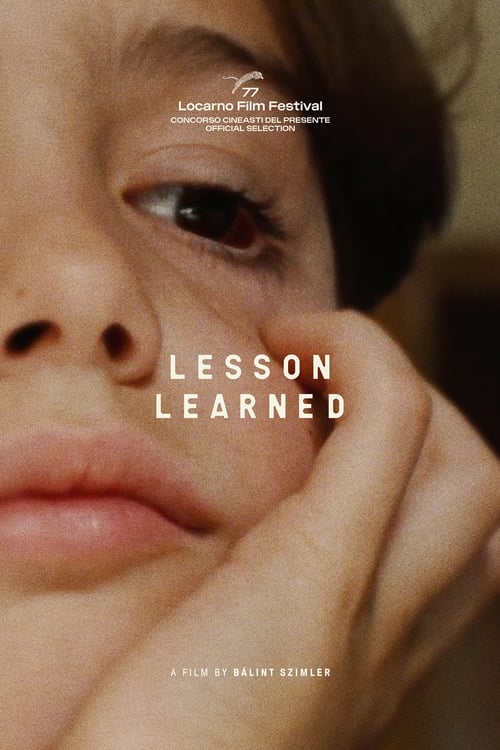
2024
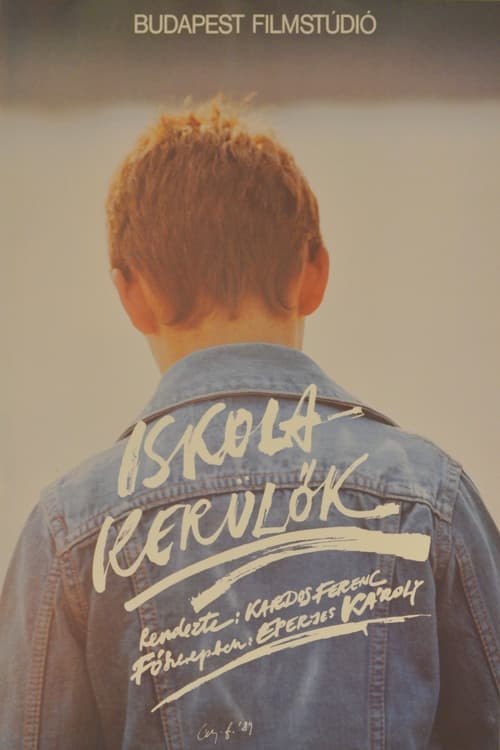
1989
No reviews yet. Be the first to share your thoughts on this movie!
Use the rating form above to leave a star rating and optional review.