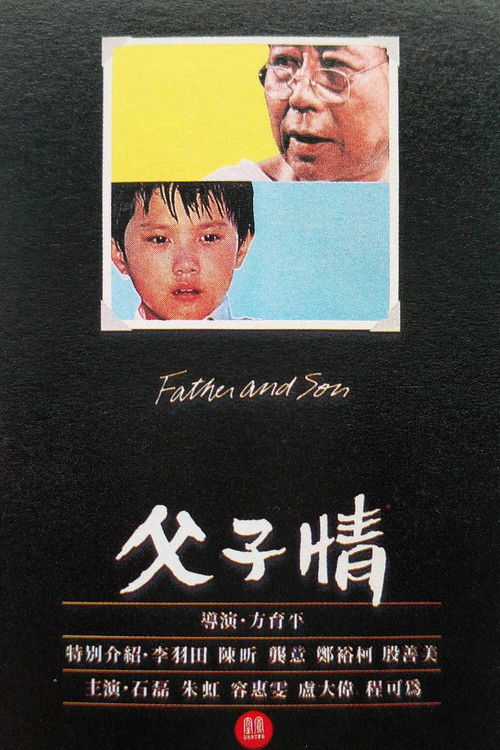
Father and Son
1981
No user ratings available yet
Representation score: 3.6 out of 10
Representation Score
Limited
1982
Director
Andrei Konchalovsky
Runtime
26 minutes
Average Rating
No ratings yetNew Showbiz Analysis
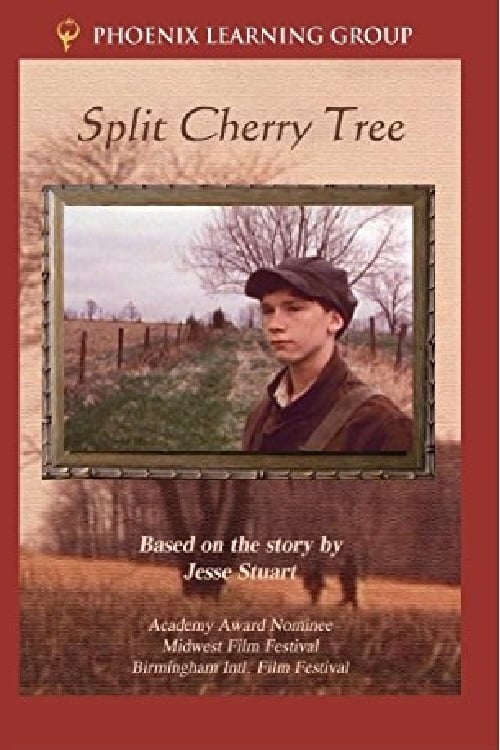
Split Cherry Tree is a character-driven drama that emphasizes intellectual and religious conflict over demographic diversity. While it lacks racial and LGBTQ+ representation, it excels in its thematic depth regarding cultural values. The film critiques systemic religious pressure, highlighting the tension between fundamentalism and scientific truth. This provides a strong intellectual core despite the narrow social scope. Ultimately, the film is a period piece that remains anchored in a traditional mid-century demographic framework, prioritizing a focused exploration of secularism and educational integrity over diverse representation.
Category Breakdown
The film does not include any LGBTQ+ characters or explore non-straight relationships. The social setting is typical of mid-20th century America.
The story focuses on the male protagonist's moral decisions within the context of 1950s gender roles. It does not significantly challenge traditional gender hierarchies.
The film portrays a homogeneous, mid-century American suburb. The cast is mostly white, reflecting the historical context of the time.
The film offers a sophisticated critique of religious dogma versus scientific education. It supports secularism and the separation of church and state against rigid beliefs.
There are no prominent depictions of physical or neurodivergent disabilities. Such traits do not play a central role in the narrative or the characters' development.
Present on Screen
Limited or Absent
Official Synopsis
A father learns the importance of education and gains an understanding of his son and an insight into his dreams and ambitions.
1981
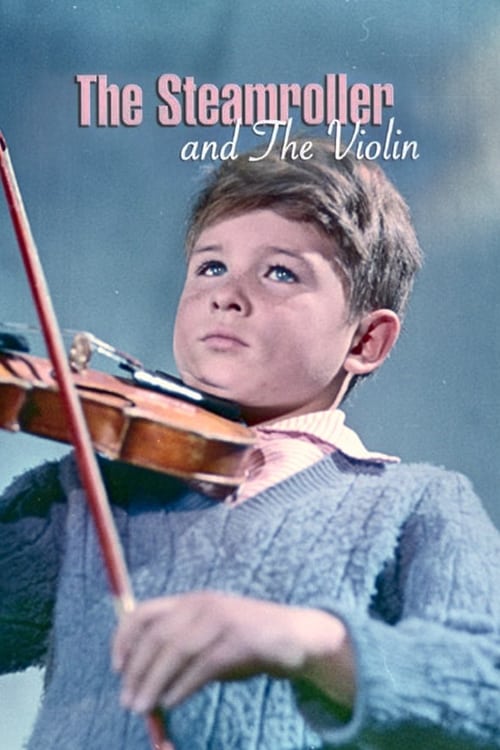
1961
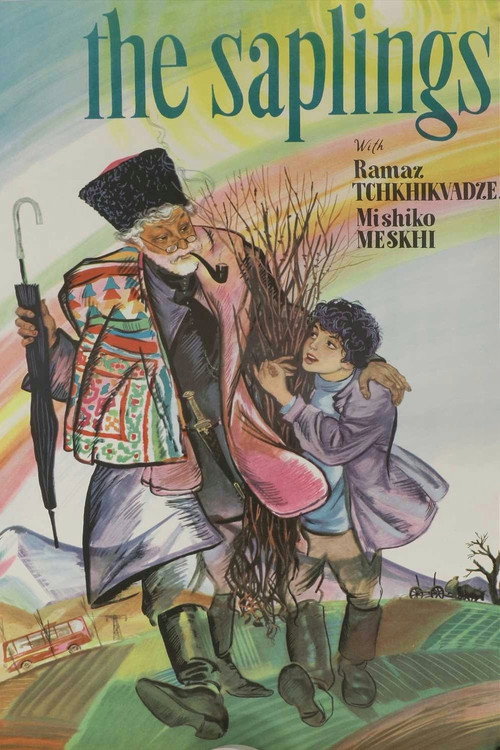
1972
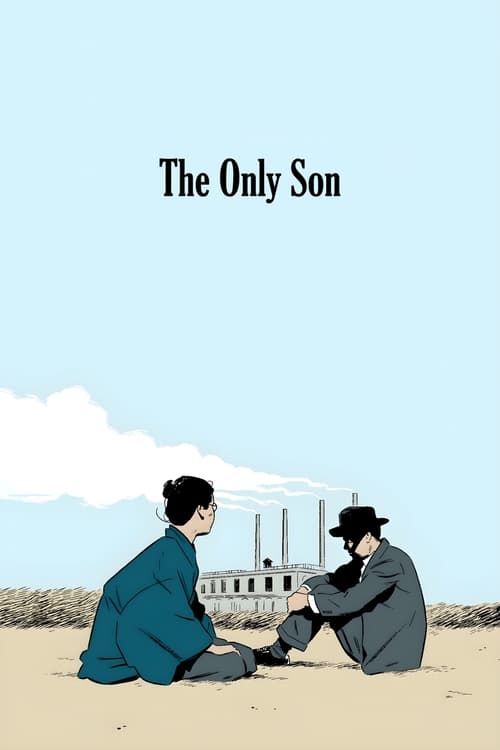
1936

1961
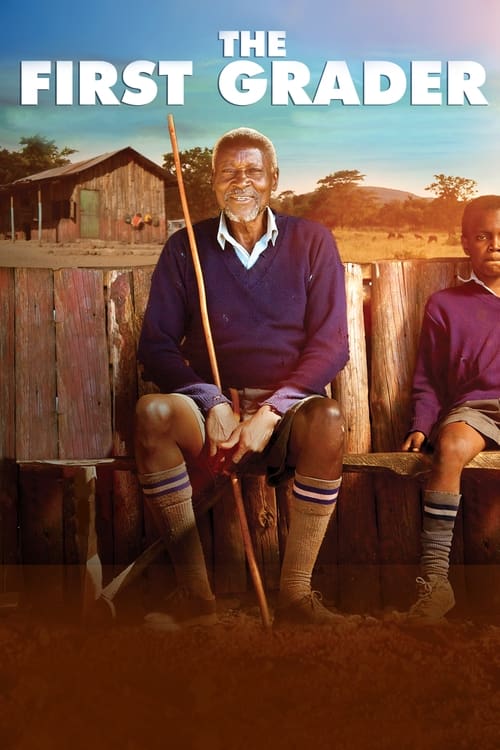
2010
1997
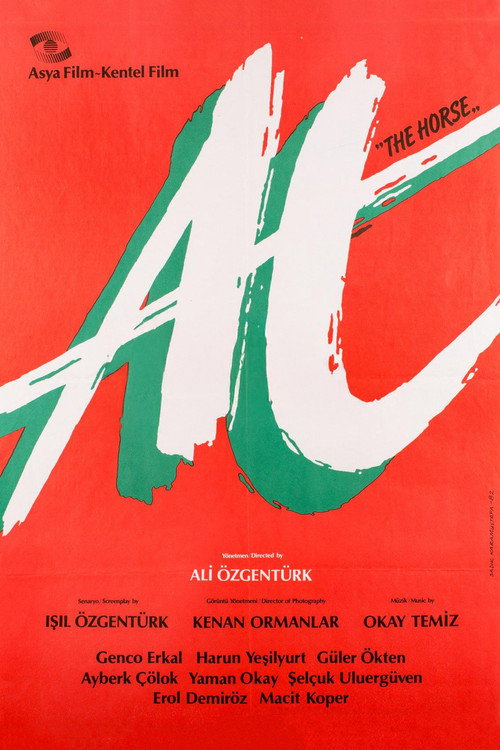
1982
No reviews yet. Be the first to share your thoughts on this movie!
Use the rating form above to leave a star rating and optional review.