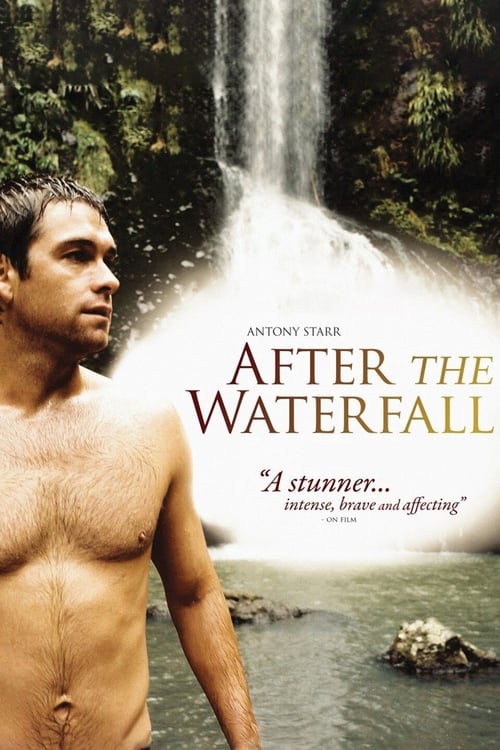
After the Waterfall
2010
No user ratings available yet
Diversity score: 3.1 out of 10

2019
Director
Alexander Dierbach
Runtime
88 minutes
Average Rating
No ratings yetSynopsis
They failed as a couple, but as parents Julia and Tom share custody of their daughter Anni after their divorce. Driven by her hurt feelings, Julia begins to systematically alienate the girl from her father.
Overall Score
Limited
Category Breakdown
LGBTQ+ Representation
The film focuses on a heterosexual parental unit. There is no evidence of non-cisnormative identities or critiques of heteronormativity within the story.
Gender Representation
Julia drives the central tension and exercises significant control over the family dynamic. However, the portrayal leans toward traditional domestic conflict rather than subverting gender hierarchies.
Racial & Ethnic Diversity
The narrative appears to center on a conventional domestic structure. There is no indication of a diverse or non-Anglo-Saxon majority cast.
Religious & Cultural Diversity
The film deconstructs the traditional nuclear family by framing it as a fractured institution. It moves away from idealized stability toward psychological realism and moral complexity.
Disability Representation
There is no mention of neurodivergence, physical disability, or mental health conditions being utilized as central narrative elements or character traits.
Strengths
Areas for Improvement
AI Analysis
Because You're Mine is a narrow domestic psychological drama that prioritizes individual interpersonal conflict over broader social representation. While it avoids the trope of the harmonious family, it lacks intersectional breadth. The film's strength lies in its willingness to explore the breakdown of traditional domestic stability. By focusing on the tactical alienation of a child, it offers a complex look at post-divorce co-parenting dynamics. However, the narrative remains limited by its lack of diversity. The story centers on a conventional family structure, offering no representation of LGBTQ+ identities, diverse racial backgrounds, or disability.
2010

2017
1995
2019
2016

1957
1946

1994
2009

2016

1999

2017
No reviews yet. Be the first to share your thoughts on this movie!
Use the rating form above to leave a star rating and optional review.