
Hexed
1993
No user ratings available yet
Representation score: 2.8 out of 10
Representation Score
Limited
1968
NRDirector
Jack Smight
Runtime
108 minutes
Average Rating
No ratings yetNew Showbiz Analysis
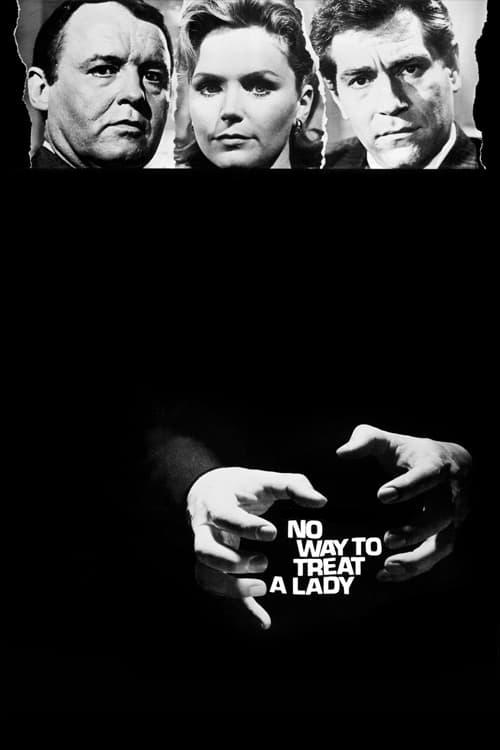
No Way to Treat a Lady is a conventional 1960s thriller that prioritizes genre clichés over social depth. The narrative centers on a psychological cat-and-mouse game between a psychotic killer and a detective, adhering to the standard storytelling constraints of its era. The film lacks complexity in representing diverse identities or systemic critiques. While it touches on specific cultural expectations within a family, it remains firmly within the bounds of mainstream, traditionalist cinema.
Category Breakdown
The film does not include any LGBTQ+ characters or explore non-straight relationships. The interpersonal dynamics revolve around heterosexual tension and male-to-female violence.
Female characters such as Kate Palmer exhibit some urban independence, but the plot is driven by male aggression. The narrative reinforces traditional power imbalances through the antagonist's predatory actions.
The setting is a relatively homogeneous urban environment. While there are mentions of Jewish familial expectations, the film does not challenge Anglo-centric norms or use diverse casting.
The story focuses on individual pathology rather than broader cultural or systemic issues. It portrays a breakdown of social order through criminal behavior without exploring larger social frameworks.
Psychological instability is used as a thriller cliché rather than a nuanced portrayal of mental health conditions. The killer's pathology serves the plot's tension without providing meaningful representation.
Present on Screen
Limited or Absent
Official Synopsis
Christopher Gill is a psychotic killer who uses various disguises to trick and strangle his victims. Moe Brummel is a single and harassed New York City police detective who starts to get phone calls from the strangler and builds a strange alliance as a result. Kate Palmer is a swinging, hip tour guide who witnesses the strangler leaving her dead neighbor's apartment and sets her sights on the detective. Moe's live-in mother wishes her son would be a successful Jewish doctor like his big brother.
1993
1942
1986

1966
1965

1972

2000
1964
No reviews yet. Be the first to share your thoughts on this movie!
Use the rating form above to leave a star rating and optional review.