Detective Kitty O'Day
1944
No user ratings available yet
Representation score: 2.4 out of 10
Representation Score
Minimal
1947
NRDirector
Elliott Nugent
Runtime
87 minutes
Average Rating
No ratings yetNew Showbiz Analysis
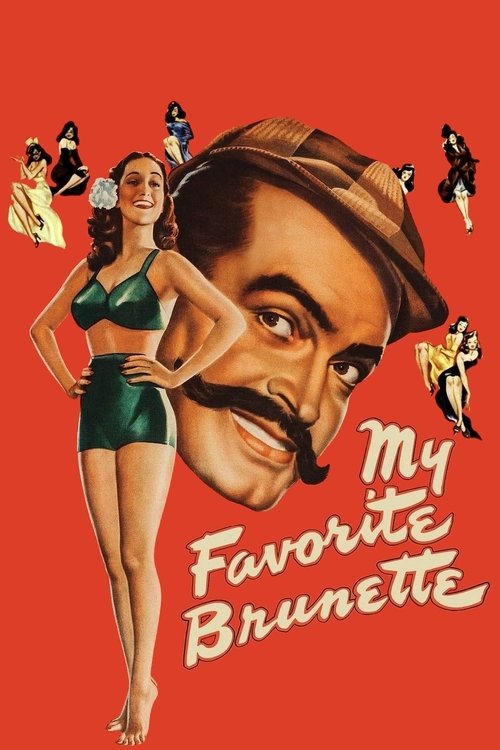
My Favorite Brunette is a quintessential product of its era, reinforcing traditional social and gender hierarchies. It relies on established genre clichés, such as the mistaken identity motif, to uphold conventional character roles. The film serves as a polished example of 1940s studio craftsmanship but lacks the intention to challenge systemic norms. It remains firmly rooted in the conventional cinematic language of the late 1940s. Ultimately, the production reflects the standard demographic and social expectations of the period, offering little in the way of diverse identity portrayals or narrative subversion.
Category Breakdown
The film strictly focuses on straight relationships, with no representation of LGBTQ+ identities or same-sex relationships. Romantic tension centers around the heterosexual leads.
The narrative relies on traditional mid-century hierarchies and the femme fatale cliché. While the female lead drives the plot, the male protagonist follows a typical masculine storyline focused on survival.
The cast is predominantly white, reflecting the demographics of 1940s Hollywood. There is no significant racial diversity or representation of diverse identities in the mystery.
The film upholds the social and moral norms of the post-war era. It uses a conventional mystery structure that reinforces established social orders without questioning them.
There are no visible or invisible disabilities portrayed as central to the character arcs or plot development.
Present on Screen
Limited or Absent
Official Synopsis
Ronnie Jackson is a lowly baby photographer who secretly fantasizes about being a private detective. When a lovely baroness actually mistakes him for one and asks him to help locate her missing husband, Baron Montay, Ronnie finds himself agreeing. Several days later he is on death row whiling away the hours until his execution by recounting to a group of reporters the bizarre tale of how he ended up there.
1944
1948
1935
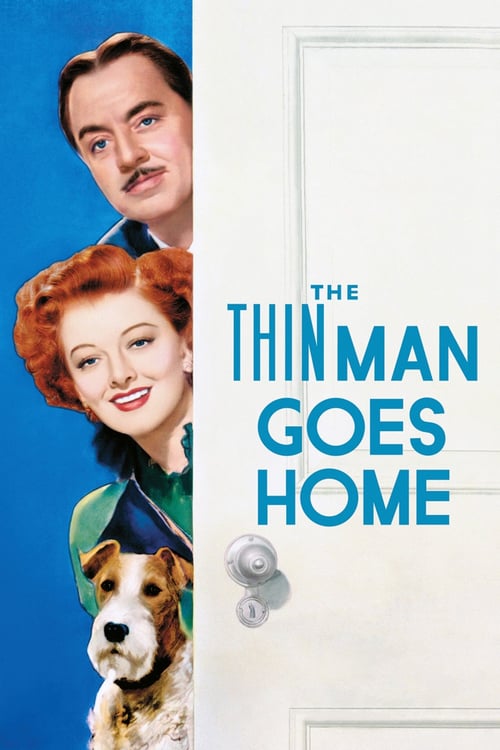
1944
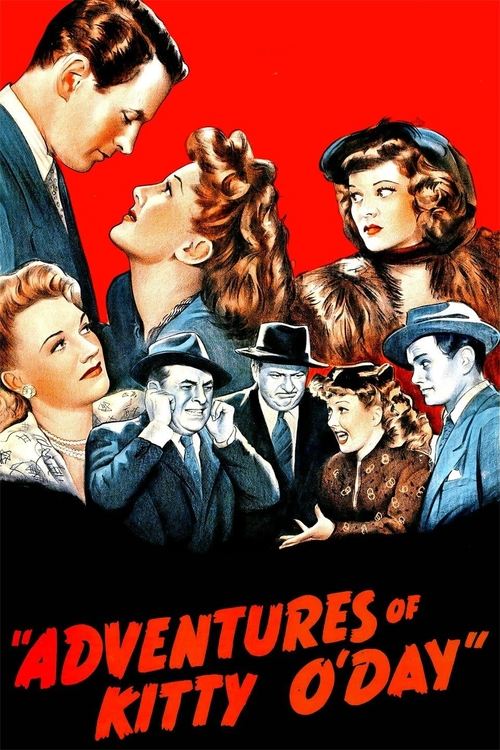
1945
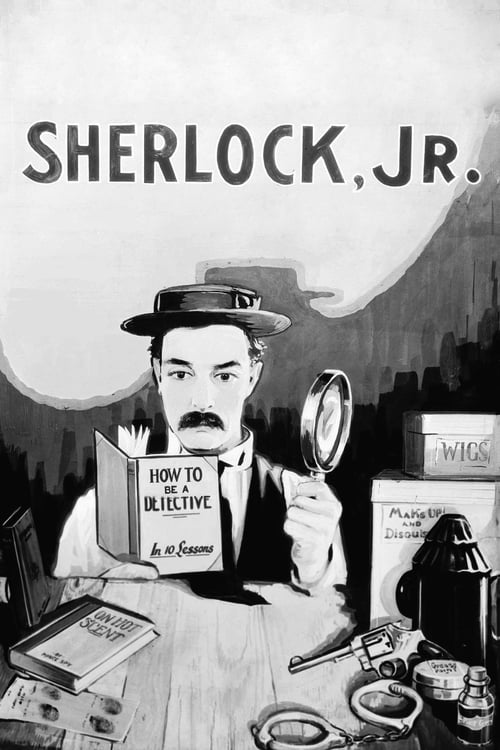
1924
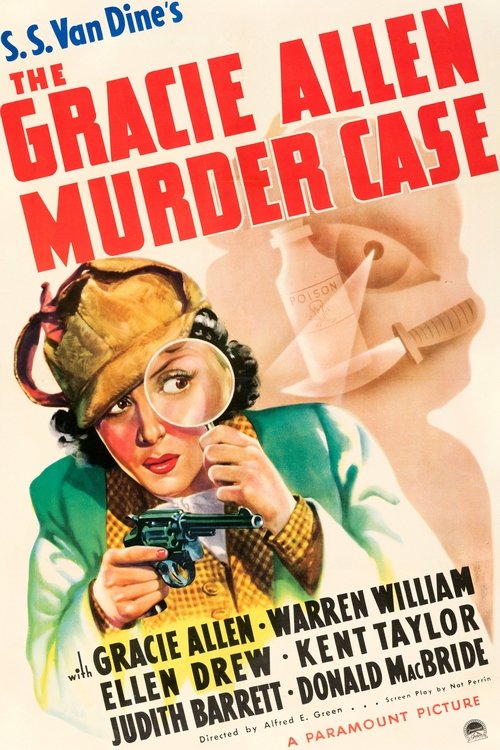
1939
1947
No reviews yet. Be the first to share your thoughts on this movie!
Use the rating form above to leave a star rating and optional review.