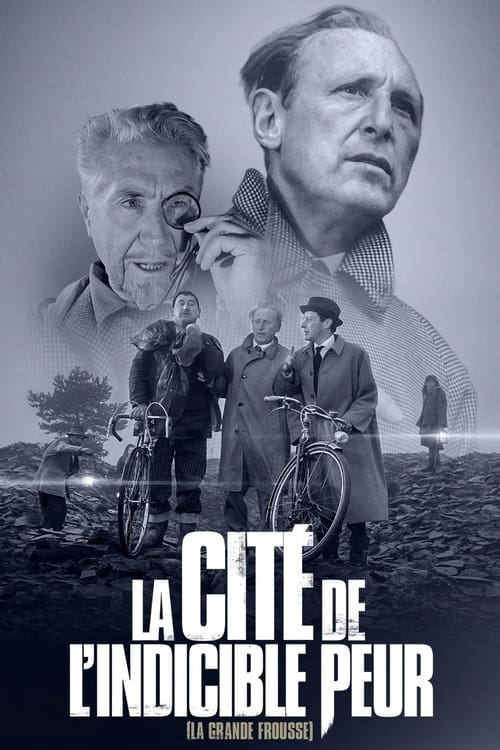
The Big Scare
1964
No user ratings available yet
Representation score: 3.8 out of 10
Representation Score
Good
1986
Director
Jean-Pierre Mocky
Runtime
88 minutes
Average Rating
No ratings yetNew Showbiz Analysis
Jean-Pierre Mocky’s film is a dark character study that prioritizes challenging social and legal hierarchies over diverse representation. The narrative’s strength lies in its cultural critique, using a mad doctor to question institutional authority. However, the film lacks visible representation across several key categories. There is no evidence of LGBTQ+ identities or significant racial diversity, and the focus on a singular male protagonist limits gendered perspectives. Ultimately, the film functions more as a critique of systemic structures than a diverse ensemble piece. It uses disability as a plot driver, though it may lack depth in portraying lived experiences.
Category Breakdown
The film does not explicitly include non-straight or non-cisgender identities or same-sex relationships. The main focus is on the doctor's obsession and the police chase.
The story revolves around a male protagonist who exhibits obsessive behavior. Although there are female characters, their roles are not well-defined, and the doctor's actions challenge traditional male leadership.
The film follows a traditional European cinematic style with no indication of a diverse or non-Anglo-Saxon majority cast.
The film challenges Western institutions by showing a protagonist who bypasses legal systems to achieve a perceived greater good. This critiques state authority and systemic failures.
Blindness in children is a central theme, but it is unclear whether disability is portrayed as a lived experience or just a plot device.
Present on Screen
Limited or Absent
Official Synopsis
The insane Doctor Enger is obsessed with his plan to build a hospital to cure blind children, and goes on a killing and kidnapping spree with the police in pursuit.
1964
1942

2001
1955
1968
1977
2000

2000
No reviews yet. Be the first to share your thoughts on this movie!
Use the rating form above to leave a star rating and optional review.