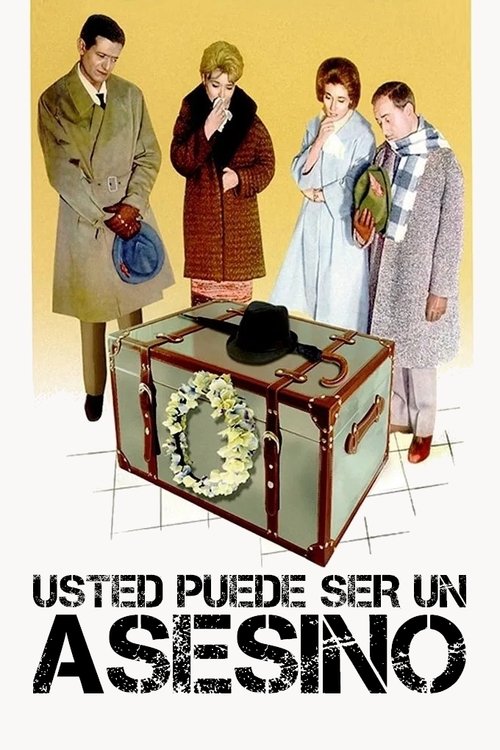
Usted puede ser un asesino
1961
No user ratings available yet
Representation score: 1.4 out of 10
Representation Score
Fair
1965
Director
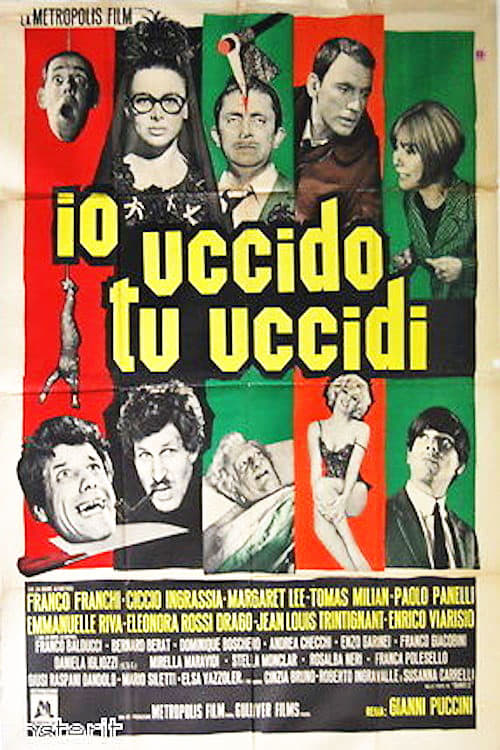
Gianni Puccini
Runtime
110 minutes
Average Rating
No ratings yetNew Showbiz Analysis
I Kill, You Kill is a genre-driven anthology that emphasizes comedic tension and suspense over identity-based storytelling. The film consists of dark sketches exploring the mechanics of murder and evasion. While the narrative challenges traditional moral absolutes by presenting homicide through a comedic lens, it lacks multi-layered depth. The film adheres to the conventional casting and thematic frameworks of mid-century European cinema. Ultimately, the work focuses on plot mechanics and situational irony rather than systemic subversion or the representation of diverse identities.
Category Breakdown
The film does not include explicit LGBTQ+ characters or stories. Instead, it focuses on situational irony and does not explore non-straight identities.
The narrative centers on the mechanics of homicide and dark humor. There is no indication of female character's ability to drive the story or efforts to challenge traditional gender roles.
Produced in 1965, the film adheres to the casting practices of its time. It does not show intentional casting of non-white actors to break historical norms.
The film uses dark comedy to explore moral relativism and the breakdown of legal authority. It portrays crime as a series of situational, ironic events.
There is no mention of characters with visible or invisible disabilities. No characters with disabilities play significant roles in the narrative.
Present on Screen
Limited or Absent
Official Synopsis
Six sketches with as many ways of murdering someone, and getting away with it.
1961
1955

1979
1964
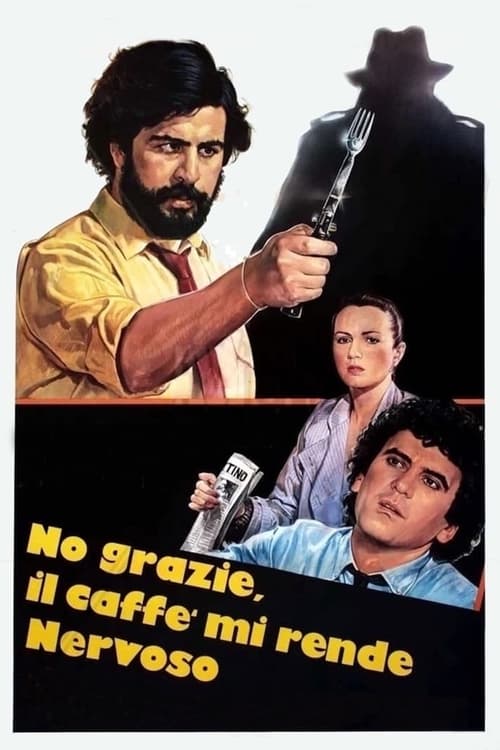
1982
1968
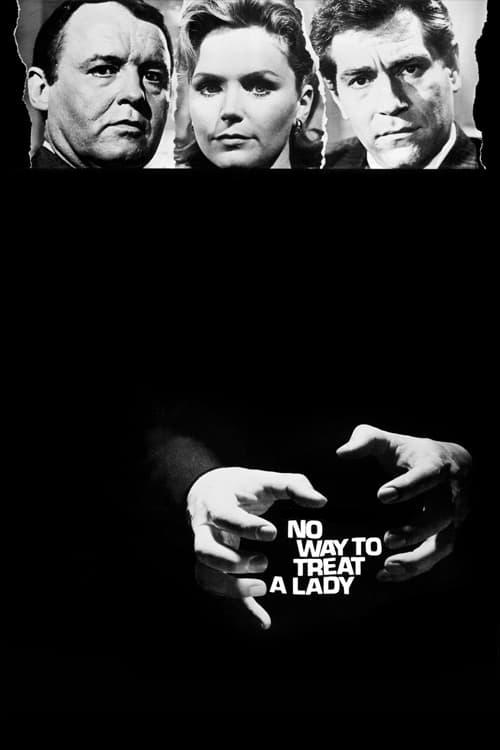
1968
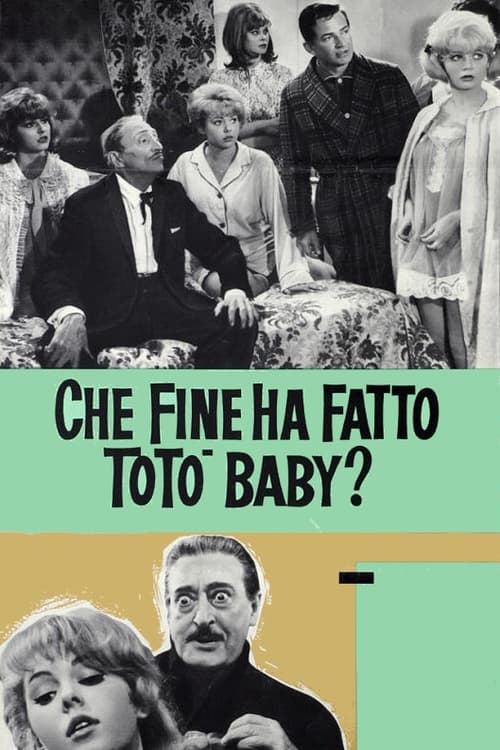
1964
No reviews yet. Be the first to share your thoughts on this movie!
Use the rating form above to leave a star rating and optional review.