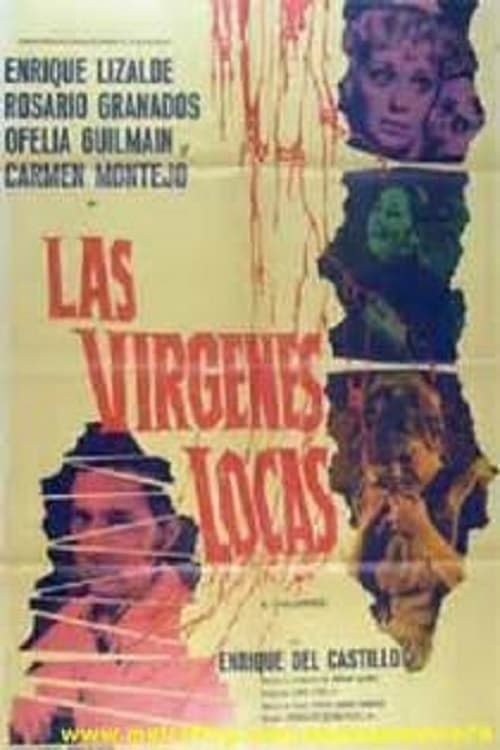
The Crazy Virgins
1972
No user ratings available yet
Representation score: 5.9 out of 10
Representation Score
Good
2004
UnratedDirector
Jaime Humberto Hermosillo
Runtime
137 minutes
Average Rating
No ratings yetNew Showbiz Analysis
The film functions as a subversive exploration of social mores and sexual politics. By centering a wealthy, autonomous woman and placing masculine characters in non-traditional roles, it actively deconstructs traditional Mexican social structures. While the LGBTQ+ elements are driven by plot necessity rather than identity exploration, the film's willingness to challenge 'macho' culture is significant. The narrative prioritizes human impulse over rigid institutional morality. However, the lack of specific data regarding racial casting and disability representation prevents a higher score. The film's strength lies in its cultural relativism and its rejection of conventional social respectability.
Category Breakdown
The film uses a queer performance to advance its plot. While the detectives' personas serve a purpose, the story successfully challenges traditional macho stereotypes.
Doña Josefina is portrayed as a powerful, independent figure who shapes the social landscape. She avoids submissive clichés by serving as the central force behind the film's scandal and power dynamics.
The narrative is set within a specific Mexican cultural context. It avoids Western homogeneity by focusing on a localized social hierarchy, although there are limited details about specific ethnic casting.
The story rejects traditional Christian morality in favor of moral relativism. It portrays polite society as a facade for chaotic, subjective human impulses and hidden desires.
The available narrative information provides no evidence regarding the inclusion of characters with disabilities.
Present on Screen
Limited or Absent
Official Synopsis
A pair of macho private detectives pose as a gay couple to gain access into the world of a perverted wealthy widow, Doña Josefina, also known as “Mrs. Open Mind.” The widow’s summer home, it seems, is a legendary lightning rod for scandal because of mysterious and evil incidents that occur there.
1972
2004
1983

2005
1983
1972

2017
1978
No reviews yet. Be the first to share your thoughts on this movie!
Use the rating form above to leave a star rating and optional review.